



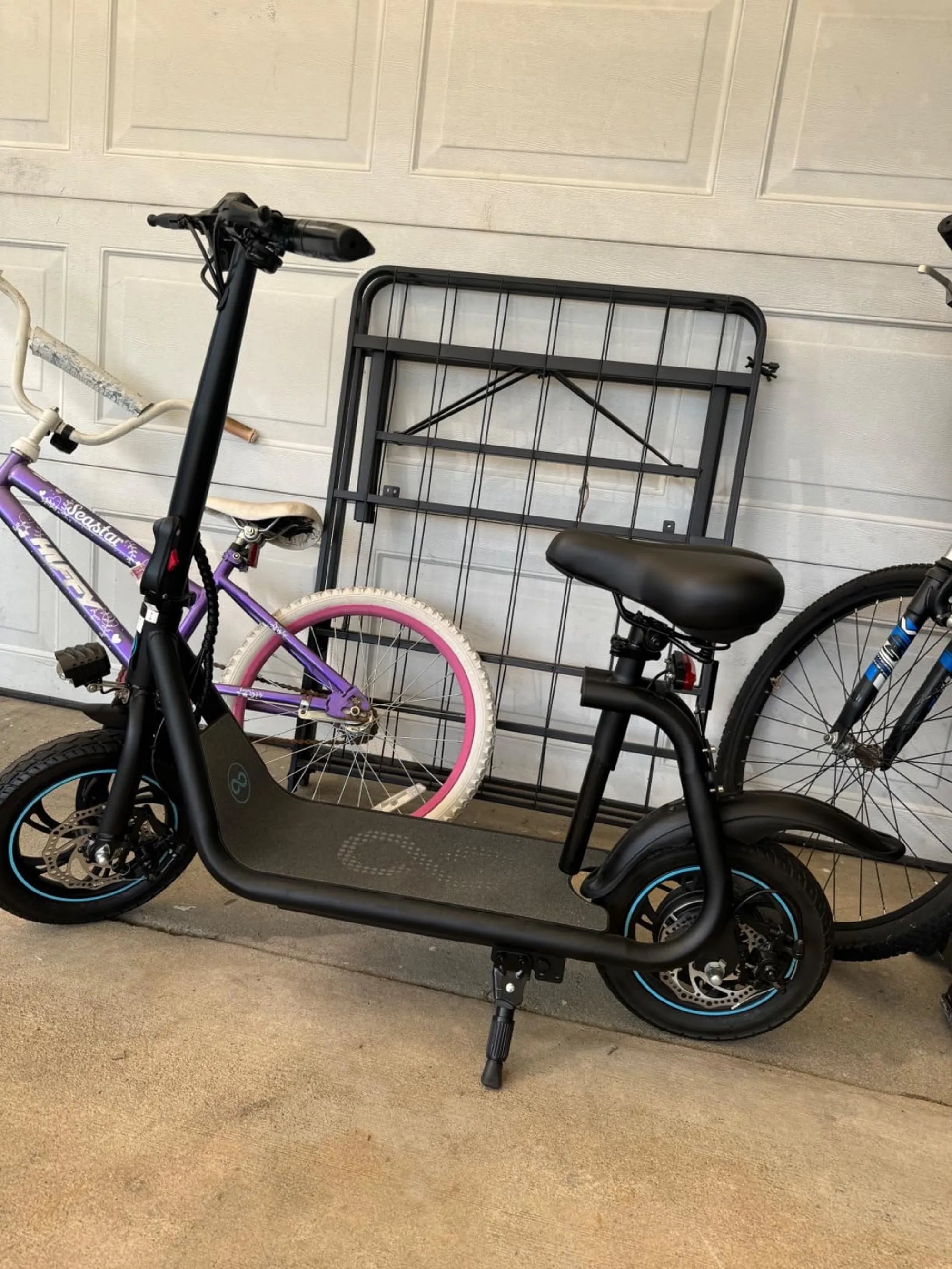
The electric scooter revolution has zipped into our cities, offering a tantalizing solution to traffic congestion and the "last-mile" problem. Yet, riders often find themselves in a confusing legal gray area, navigating a maze of local rules that change at the city line. The central question for commuters, city planners, and manufacturers alike is clear: Are electric scooters becoming legal, and what does this mean for the future of urban mobility? This in-depth analysis will chart the current regulatory landscape, decode the trends pushing toward standardization, and explain how safety-focused innovation is paving the way for e-scooters to become a permanent, legal fixture of city life.
The Current Legal Landscape: A City-by-City Patchwork
There is no single, federal law governing electric scooters in the United States. Instead, regulation is a decentralized patchwork dictated by states, counties, and individual municipalities. This has created a spectrum of legal statuses that can be bewildering for riders. In some cities, privately-owned e-scooters are fully legal on streets and bike lanes. In others, they exist only within corporate-sponsored "dockless" sharing programs operating under a special permit. Many areas have enacted specific restrictions, while a handful maintain outright bans.
The core of the regulatory challenge lies in classification. Many states have created a new vehicle category—often called "electric scooter" or "low-speed scooter"—distinct from bicycles, mopeds, and motorcycles. This classification typically comes with its own set of rules. For example, California’s AB 2989 legislation, a pioneering model, defines an e-scooter as having handlebars, a floorboard, and a maximum speed of 15 mph on level ground. This legal definition provides a crucial framework that other jurisdictions are increasingly adopting.
This patchwork system means a scooter legal for your commute in one city might be confiscated if you ride it across a jurisdictional border. The inconsistency stems from the rapid, disruptive arrival of scooter-share companies around 2017, which forced cities to play regulatory catch-up. Now, the dust is beginning to settle as more places move from reactive bans to proactive, data-driven policy-making.
The trend, however, is moving toward legalization with structure. Major metropolitan areas like Washington D.C., Chicago, and Denver have established permanent permitting frameworks for shared scooters while also clarifying rules for private owners. This shift indicates a growing acceptance of e-scooters as a legitimate mode of transport, provided they are integrated safely and responsibly into the urban fabric.
Key Regulations Every Rider Must Know
While laws vary, several common regulatory themes have emerged nationwide. Understanding these is the first step to compliant and safe riding.
Age and Licensing Requirements: Most jurisdictions require riders to be at least 16 or 18 years old. A driver’s license is commonly required for rental scooters but is less frequently mandated for privately-owned ones, especially those under a certain power threshold. The rule of thumb: if your scooter can exceed 20 mph, check for licensing rules.
Helmet Laws: Helmet regulations are often tiered by age. It is increasingly common for laws to mandate helmets for all riders under 18, while strongly recommending them for adults. Some cities, like San Francisco, require helmets for all riders of shared scooters. Regardless of the law, wearing a helmet is the single most effective safety precaution a rider can take.
Speed Limits and Motor Power: Maximum allowable speeds are typically set between 15 and 20 mph on public roadways. Some cities use geo-fencing technology to automatically reduce scooter speeds in crowded pedestrian zones or parks. Regulations may also specify a maximum motor wattage, often capping it at 750W for street-legal use without requiring a special license.
Where You Can (and Cannot) Ride
This is one of the most contentious and critical regulations. The consensus among traffic safety experts and city planners is clear: sidewalks are for pedestrians. Most major cities now prohibit e-scooter operation on sidewalks, imposing fines for violations. The designated riding areas, in order of preference, are:
- Protected Bike Lanes: The ideal and safest environment.
- Standard Bike Lanes: The most common legal path.
- Roadways (with speed limits ≤25-35 mph): Where bike lanes are absent, riders are often directed to take the lane, following all standard traffic laws.
Parking is another key rule. Scooters cannot block sidewalks, ADA ramps, building entrances, or public right-of-ways. Responsible parking in designated "corrals" or next to bike racks is essential for maintaining public goodwill and legal standing.
Why Cities Are Embracing (or Restricting) E-Scooters
The debate over e-scooter legality is driven by a tangible set of benefits and challenges that cities must weigh. The data from pilot programs and academic studies is now shaping policy in profound ways.
The Case for Embracing E-Scooters: Proponents point to powerful urban mobility benefits. E-scooters provide a convenient, low-cost solution for the "first-mile/last-mile" gap in public transit systems, potentially increasing overall transit ridership. They reduce traffic congestion and carbon emissions by replacing short car trips; studies suggest 30-40% of scooter rides replace automobile travel. Furthermore, they increase equitable access to transportation in underserved neighborhoods and support local economies by making it easier for people to reach businesses.
The Pressing Concerns Leading to Restrictions: The rapid rollout of scooter-share programs initially created significant public backlash. Key concerns included pedestrian safety and sidewalk clutter from improperly parked scooters. Emergency room data showed a rise in scooter-related injuries, often linked to rider inexperience, lack of helmet use, and poor infrastructure. Cities also grappled with managing the public space, leading to complaints about visual blight and accessibility issues for people with disabilities.
This cost-benefit analysis leads cities to one of three paths: outright ban, unrestricted free-for-all, or regulated integration. The most successful cities are choosing the third path—creating rules that maximize benefits while mitigating risks through speed limits, parking zones, mandatory safety education, and infrastructure investment like more protected bike lanes.
The Safety Standardization Push: How Responsible Brands Are Leading
Legality is inextricably linked to safety. As cities craft regulations, they are increasingly looking to product safety standards to ensure the vehicles on their streets are reliable and safe. This is where manufacturer responsibility becomes paramount.
The specter of lithium-ion battery fires, often linked to uncertified, substandard batteries, has been a major concern for regulators. In response, safety standards like UL 2272 for the scooter's electrical system and UL 2849 for e-bikes have become critical benchmarks. These rigorous tests evaluate the entire electrical drive train system for safety under normal and abusive conditions. Cities like New York now require all sold and rented devices to meet these standards.
Beyond batteries, build quality dictates road safety. Features like robust braking systems (electronic plus mechanical), wide, pneumatic tires for stability, bright front and rear lights, and audible bells are not just selling points—they are becoming implicit requirements for a street-legal, safe vehicle. Manufacturers that prioritize these features are building trust with both consumers and regulators.
Gyroor’s Commitment to Compliant and Safe Riding
As a leading brand trusted by over 100,000 riders in North America and Europe, Gyroor’s design philosophy is built on the pillars of safety, reliability, and compliance. Understanding that rider and public safety is the foundation of long-term legal acceptance, Gyroor integrates key features that align with evolving regulations.
Every Gyroor electric scooter utilizes UL-certified battery packs, tested for over 500 charge cycles, to ensure the highest standard of electrical safety and peace of mind. Their scooters feature IPX5 water-resistant designs, providing reliable all-weather performance that meets the demands of daily commuting. Furthermore, the commitment to a comprehensive 1-year warranty underscores a focus on product durability and consumer protection, ensuring that scooters remain safe and functional over time. By building to these rigorous standards, Gyroor provides riders with vehicles that are not only high-performance but are also designed to be responsible participants in the urban mobility ecosystem.
Comparison: Private Ownership vs. Shared Scooter Rentals
Choosing between buying your own e-scooter or using rental services involves different considerations regarding cost, convenience, and compliance.
| Aspect | Private E-Scooter (e.g., Gyroor Models) | Shared/Rental Scooters |
|---|---|---|
| Cost Over Time | Higher upfront cost, but cheaper per ride over the long term. Pays for itself after regular use. | Low/no upfront cost, but per-minute fees add up quickly, making daily commuting expensive. |
| Performance & Features | Superior: Often more powerful motors, longer range (20-40+ miles), better suspension, higher weight limits, and more durable construction. | Basic: Designed for durability over performance. Shorter range, slower speeds, minimal comfort features. |
| Safety & Maintenance | You control the maintenance. You know the brake condition, tire pressure, and can ensure lights work. Ability to add accessories like a better helmet. | Unknown maintenance history. Heavy use leads to wear and tear; brakes, tires, and batteries may be suboptimal. |
| Regulatory Compliance | You are responsible for knowing and following all local laws (helmet, parking, riding locations). | The rental company’s app typically enforces geo-fenced speed/parking zones and verifies rider age/license. |
| Convenience & Availability | Always available at your doorstep. No need to hunt for a charged unit. Can be customized with bags, phone mounts, etc. | Subject to availability. May be scattered, out of battery, or only in specific service areas. |
The Future of E-Scooter Legality: Trends and Predictions
The trajectory points toward more sophisticated, integrated, and standardized regulation. The era of the wild west is closing, making way for a new phase of mature urban mobility.
Infrastructure Integration: The future is dedicated, protected micromobility lanes. Cities are recognizing that throwing scooters into chaotic traffic is unsafe. Investments in connected networks of bike/scooter lanes, separate from both fast-moving cars and pedestrian sidewalks, will be the single biggest factor in improving safety and public acceptance. We will also see more "mobility hubs" with designated parking and charging at transit stations.
Smart Technology Mandates: Regulation will be baked into the technology itself. Expect wider use of geo-fencing—even for private scooters via future firmware updates—to automatically enforce slow-speed zones and no-ride areas. Similarly, mandatory identification technology (like Bluetooth or RFID) could link a scooter to its owner to enforce traffic violations and deter reckless riding and abandonment.
Insurance and Registration Models: As e-scooters become more powerful and prevalent, some form of low-cost liability insurance or vehicle registration may become standard, similar to automobiles. This would provide a recourse for accidents and further legitimize them as vehicles. Some European countries are already piloting such programs.
Deeper Public Transit Integration: The future lies in multimodal trips seamlessly planned and paid for through a single app. Imagine a transit app that plots a route involving a bus, a subway, and a scooter leg, with the scooter reserved and waiting at the station. This level of integration makes e-scooters a complementary public good, not a nuisance, solidifying their legal and practical place in the city.
Frequently Asked Questions (FAQ)
Q: Do I need a license, registration, or insurance to ride my own e-scooter?
A: For most private e-scooters with a top speed under 20 mph, a driver’s license, vehicle registration, and insurance are typically not required in the majority of U.S. states. However, this is changing. Always check your specific city and state laws, as requirements for more powerful models can differ, and some regions are beginning to explore insurance mandates.
Q: Can I legally ride my e-scooter on the sidewalk?
A: In most urban areas, no. Sidewalk riding is widely prohibited for safety reasons, as it endangers pedestrians, especially those with disabilities. Riding in bike lanes or on streets (where speed limits are low) is the standard legal requirement. Always prioritize pedestrian safety.
Q: What happens if I get pulled over for breaking an e-scooter law?
A: You can be subject to fines, similar to a bicycle or traffic violation. Common citations are for sidewalk riding, riding without a helmet (where required), running a stop sign, or riding underage. In extreme cases of reckless operation, a scooter could be impounded.
Q: What should I look for in a legally compliant and safe e-scooter?
A: Prioritize safety certifications, especially a UL 2272 certified battery. Check the manufacturer’s stated top speed and motor wattage to ensure it aligns with common local limits (e.g., ≤20 mph, ≤750W). Look for essential safety features: dual braking systems, bright lights, a bell, and good tire construction. A reputable brand that offers a strong warranty, like Gyroor, is a good indicator of a compliant and durable product.
Q: Are e-scooter laws the same for rental scooters and privately owned ones?
A: Not always. Cities often impose stricter rules on rental fleets through their operating permits, such as lower speed limits, mandatory helmet provision, and stricter parking rules via geo-fencing. As a private owner, you are personally responsible for adhering to the general laws for electric scooters in your area, which may be slightly different.
Navigating the Road Ahead: A Call for Responsible Mobility
The journey toward universal e-scooter legality is well underway, moving from chaotic disruption toward structured integration. The future of urban mobility is undeniably multimodal, and electric scooters have proven they are here to stay. Their legal status will continue to crystallize around core principles of rider safety, pedestrian respect, and smart urban planning. This future belongs to responsible riders who follow the rules of the road and choose reliable, safety-focused equipment from trusted brands. By embracing both innovation and responsibility, we can ensure that electric scooters fulfill their promise as a clean, efficient, and permanent part of our urban transportation landscape.
Ready to join the future of mobility with confidence? Explore a range of UL-certified, high-performance electric scooters designed for safety, durability, and real-world commuting. Browse the full Gyroor collection at gyroorboard.com and find the perfect ride for your journey.
How Long Does It Take for Electric Scooters to Charge: A Complete Guide
Electric Scooters for Tall People: The Ultimate Guide to Finding the Perfect Fit