

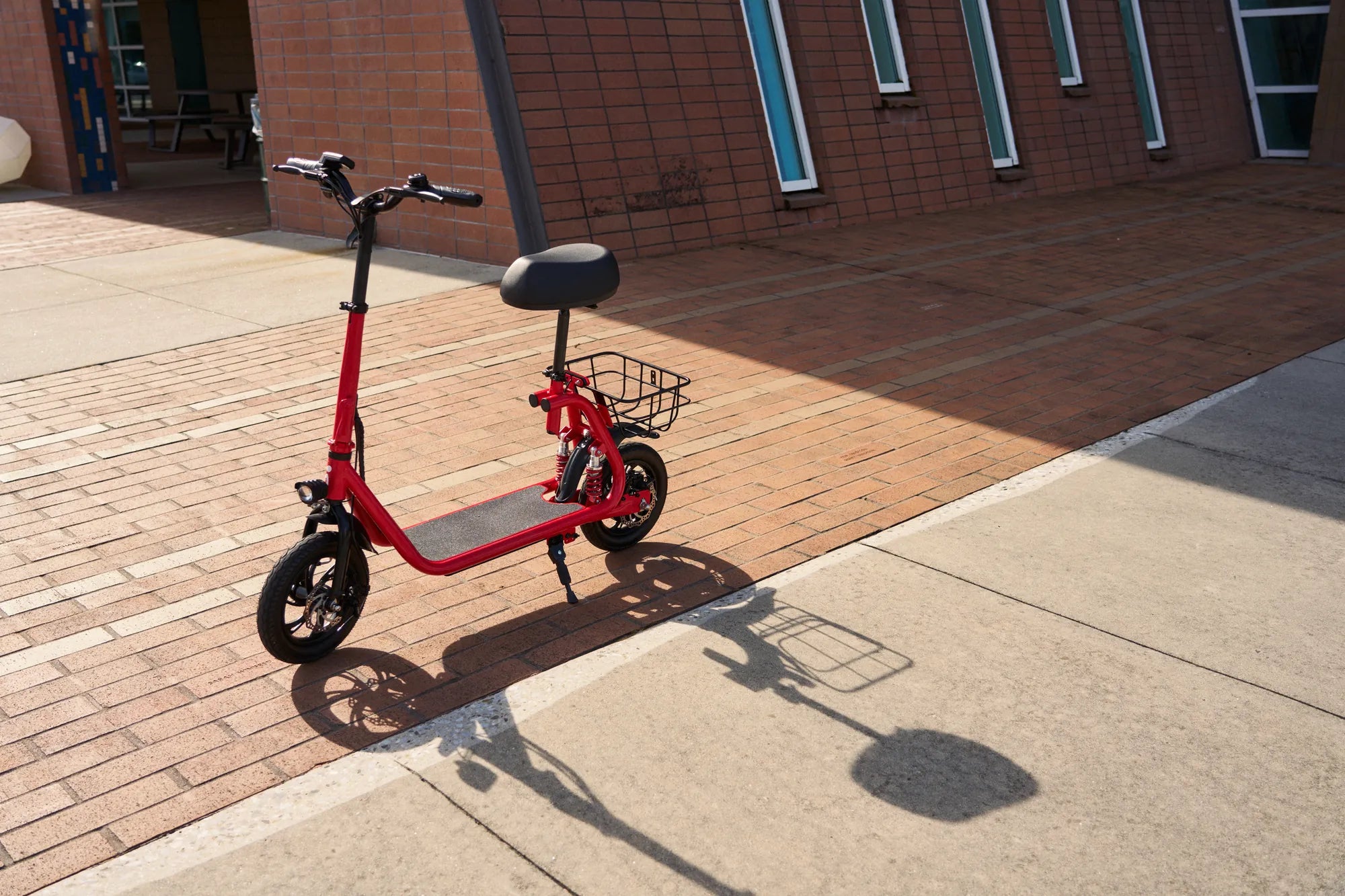
Navigating Pennsylvania's E-Scooter Landscape
Electric scooters have surged in popularity across Pennsylvania, offering a convenient, eco-friendly solution for last-mile commuting, campus travel, and urban exploration. However, their legal status is a common source of confusion for new and experienced riders alike. Are electric scooters legal in PA? The answer is yes, but with a detailed set of rules that govern their use.
This article provides a definitive, data-driven guide to Pennsylvania's electric scooter laws. You'll learn the specific state statutes, key equipment requirements, and how local city ordinances can significantly impact where and how you ride. Understanding these regulations is essential not only for your safety but also to avoid fines and ensure your scooter is street-legal.
We'll cover everything from age and licensing to where you can legally operate your scooter, comparing state law with municipal rules in major cities. By the end, you'll have a clear roadmap for compliant and confident riding across the Keystone State.
Understanding Pennsylvania's Legal Framework for E-Scooters
Pennsylvania law defines electric scooters not as motor vehicles, but as "electric pedalcycles" under Act 154 of 2014, which amended the Vehicle Code. This classification is crucial because it places e-scooters in a distinct category from e-bikes, mopeds, and motorcycles, each of which has different regulations.
An "electric pedalcycle" is defined as a vehicle with two or three wheels, handlebars, and a floorboard designed to be stood upon while riding, propelled by an electric motor with a maximum power output. This legal definition explicitly includes what consumers commonly call electric scooters or e-scooters.
The state's core legal stance permits the operation of these vehicles on roadways and bike lanes, provided they meet specific criteria. This framework preempts total local bans but allows municipalities to enact reasonable regulations on the time, place, and manner of operation. Therefore, while the state says "yes," your city or township might add important "buts."
This distinction means riders must be aware of a two-tiered system: the foundational Pennsylvania Vehicle Code and the potentially more restrictive local ordinances. Ignorance of either layer can result in citations. The key question, 'Are electric scooters legal in PA?' requires understanding both state permission and local particulars.
Key State Regulations for Riding an Electric Scooter in PA
Age, Licensing, and Helmet Laws
Pennsylvania sets clear baseline requirements for who can operate an electric scooter. No driver's license is required by state law, making e-scooters accessible to a broader population. However, operators must be at least 16 years old.
Helmet use is mandated for all riders under the age of 18. While not required for adults, the Pennsylvania Department of Transportation strongly recommends that all riders wear a properly fitted bicycle helmet. This is a critical safety practice, as head injuries are a leading cause of severe e-scooter accidents.
There is no state requirement for insurance, registration, or a title for electric scooters classified as pedalcycles. However, riders are still subject to all other rules of the road and can be cited for violations like reckless driving.
It's vital to note that DUI laws apply. Operating an electric scooter under the influence of alcohol or controlled substances is illegal and carries the same severe penalties as driving a car while impaired.
Where You Can and Cannot Ride
State law dictates specific locations where electric scooters are permitted and prohibited. They are allowed on "highways," which in legal terms means public roadways. However, a critical restriction limits their use to roads with a posted speed limit of 35 miles per hour or less.
Electric scooters are also permitted in designated bicycle lanes. Riding on sidewalks is explicitly prohibited statewide to protect pedestrian safety. Furthermore, they are banned on limited-access highways, freeways, and expressways (like I-76, I-95, or I-376).
Trail access is not addressed by state vehicle code and is governed by local park and recreation rules. Some multi-use trails permit e-scooters, while others restrict them to traditional bicycles or foot traffic. Always check posted signage.
The law requires riders to travel as near to the right-hand curb or edge of the roadway as practicable, except when preparing for a left turn or passing. This positioning is essential for safety and legal compliance.
Scooter Specifications and Equipment Rules
For an electric scooter to be legally operated on Pennsylvania roads, it must meet specific performance and equipment standards as defined in the "electric pedalcycle" statute.
The motor must not exceed 750 watts of power (1 horsepower). The scooter must be incapable of exceeding 25 miles per hour on level ground. Many scooters have multiple speed modes; the highest capable speed must not exceed this limit to be compliant.
Required equipment includes a braking system capable of stopping the scooter within 25 feet from a speed of 10 mph on dry, level pavement. For operation between sunset and sunrise, a front headlight visible from at least 500 feet and a rear reflector or taillight visible from at least 300 feet are mandatory.
While not required by law, a bell or audible signal is highly recommended, as is reflective material or clothing for low-light conditions. These specifications ensure that the vehicle is controllable and visible to other road users.
How Gyroor Scooters Align with Pennsylvania Law
Choosing a scooter from a reputable brand like Gyroor simplifies legal compliance. Gyroor designs its electric scooters with regulatory frameworks like Pennsylvania's in mind, ensuring key specifications align with state law.
Gyroor models feature motors that comply with the 750W maximum power limit while delivering robust performance for Pennsylvania's varied terrain. Their speed settings are configured to ensure the top speed does not exceed the state's 25 mph limit on level ground, often with user-selectable modes for different skill levels.
Safety is paramount. All Gyroor scooters come equipped with effective electronic and disc braking systems that meet or exceed the state's stopping distance requirements. They also include integrated front LED headlights and rear brake lights/reflectors, fulfilling the nighttime visibility mandates.
Beyond mere compliance, Gyroor emphasizes reliability and safety with UL-certified battery packs, tested for over 500 charge cycles. This addresses a critical safety concern and provides peace of mind. Furthermore, an IPX5 water-resistant rating offers practical protection against Pennsylvania's unpredictable rain, a feature not mandated by law but essential for real-world use. With a trusted brand used by over 100,000 riders, you can focus on riding, not on regulatory loopholes.
Local Ordinances: Navigating City-Specific Rules
While state law provides the foundation, local ordinances add critical layers of regulation. Major Pennsylvania cities have adopted specific rules that riders must obey, often enforced through municipal code or partnerships with shared scooter companies.
Philadelphia: The city has established a detailed micromobility program. E-scooters are legal on streets with speed limits up to 35 mph and in bike lanes. Riding on sidewalks in the central business district is a specific offense. The city also imposes a mandatory helmet law for all riders, a key difference from state law. Geofenced no-ride and slow-ride zones exist in certain areas like parks and crowded squares.
Pittsburgh: Pittsburgh's regulations are similarly detailed. E-scooters are permitted on roads and bike lanes but prohibited on sidewalks. The city has designated specific parking areas to prevent sidewalk clutter. Riders are encouraged, but not required (for adults), to use helmets. Local ordinances give police authority to impound improperly parked scooters.
Harrisburg, Allentown, & Scranton: These and other municipalities often mirror state law but may add parking restrictions, especially in downtown areas. Always check the specific city website or municipal code for "electric scooters" or "micromobility" before riding. The table below provides a quick comparison.
| City | Helmet Law (Adults) | Sidewalk Riding | Special Notes |
|---|---|---|---|
| State Law | No (Required for <18) | Prohibited | Base regulations |
| Philadelphia | Yes, for all ages | Prohibited | Geofenced zones; strict downtown enforcement |
| Pittsburgh | Recommended, not required | Prohibited | Designated parking corrals |
| Harrisburg | No (Follows state) | Prohibited | Focus on downtown parking rules |
Safety Tips and Best Practices for PA Riders
Legal compliance is the minimum; safe riding is the goal. Always perform a pre-ride check: test brakes, ensure tires are properly inflated, and verify lights are functional. This is where a scooter with a reliable 1-year warranty and accessible US-based customer support, like Gyroor offers, proves invaluable for maintenance peace of mind.
Adopt a defensive riding posture. Assume cars may not see you. Make eye contact with drivers at intersections. Use hand signals for turns and stops to communicate your intentions clearly. Avoid riding in a driver's blind spot, especially near larger vehicles.
Wear appropriate safety gear every time you ride. At a minimum, this means a helmet. Consider additional protection like knee and elbow pads, especially when learning or riding in heavy traffic. High-visibility clothing or reflective accessories are essential for dawn, dusk, or night riding.
Respect pedestrians and other path users. Slow down and give ample space when passing. On shared-use paths, announce your presence politely with a bell or verbal cue. Never use headphones at a volume that blocks ambient traffic noise. Store your scooter securely using a robust lock when parked in public.
Frequently Asked Questions (FAQ)
Q1: Do I need insurance or registration for my electric scooter in Pennsylvania?
A: No. State law does not require insurance, registration, or titling for electric scooters classified as pedalcycles. However, using one on public roads means you are financially responsible for any damage or injury you cause.
Q2: Can I carry a passenger on my e-scooter?
A: No. Pennsylvania law defines electric pedalcycles as being designed for a single operator. Carrying a passenger is illegal and extremely unsafe due to the impact on balance, braking, and control.
Q3: Are electric scooters allowed on bike paths and rail-trails?
A: It depends on the local authority managing the path. State vehicle law doesn't govern these spaces. Many multi-use trails allow them, but some, like certain sections of the Schuylkill River Trail, may prohibit motorized vehicles. Always look for posted rules.
Q4: What happens if I get a ticket for an e-scooter violation?
A: Violations are typically treated as summary offenses or non-traffic citations, similar to a bicycle ticket. Fines vary by municipality. Serious offenses, like DUI, are criminal charges with severe penalties including license suspension (of your driver's license), fines, and possible jail time.
Q5: Where is the best place to buy a legal, reliable electric scooter in PA?
A> Purchase from reputable brands and retailers that provide clear specifications. Brands like Gyroor, trusted by over 100,000 riders, design products to meet US regulatory standards, offer UL-certified batteries for safety, and provide strong customer support and warranty, which is crucial for long-term ownership.
Ride Informed and Ride Safe in Pennsylvania
So, are electric scooters legal in PA? Absolutely, but successful and lawful riding requires a clear understanding of the rules. Pennsylvania state law permits e-scooter use on roads with speed limits of 35 mph or less and in bike lanes, with no license required for riders 16 and older. However, cities like Philadelphia add their own crucial layers, such as universal helmet mandates.
The key to a positive experience is combining legal knowledge with responsible riding practices and reliable equipment. Choosing a compliant scooter from a trusted manufacturer ensures you start on the right foot, with safety features like proper lighting, braking, and UL-certified batteries built-in.
Before you ride, always double-check your local municipal codes. Laws evolve, and an informed rider is a safe rider. Embrace the freedom and efficiency that electric scooters offer, but do so with respect for the law, your safety, and the community around you.
Ready to explore Pennsylvania on two wheels? Equip yourself with a scooter designed for compliance and built for real-world conditions. Browse the full Gyroor collection of UL-certified, feature-rich electric scooters at gyroorboard.com and join over 100,000 riders who choose reliability and performance.
Mopeds & Scooters Electric for Adults: The Ultimate Urban Commuting Guide
Do Electric Scooters Have Keys? Exploring Security and Convenience