



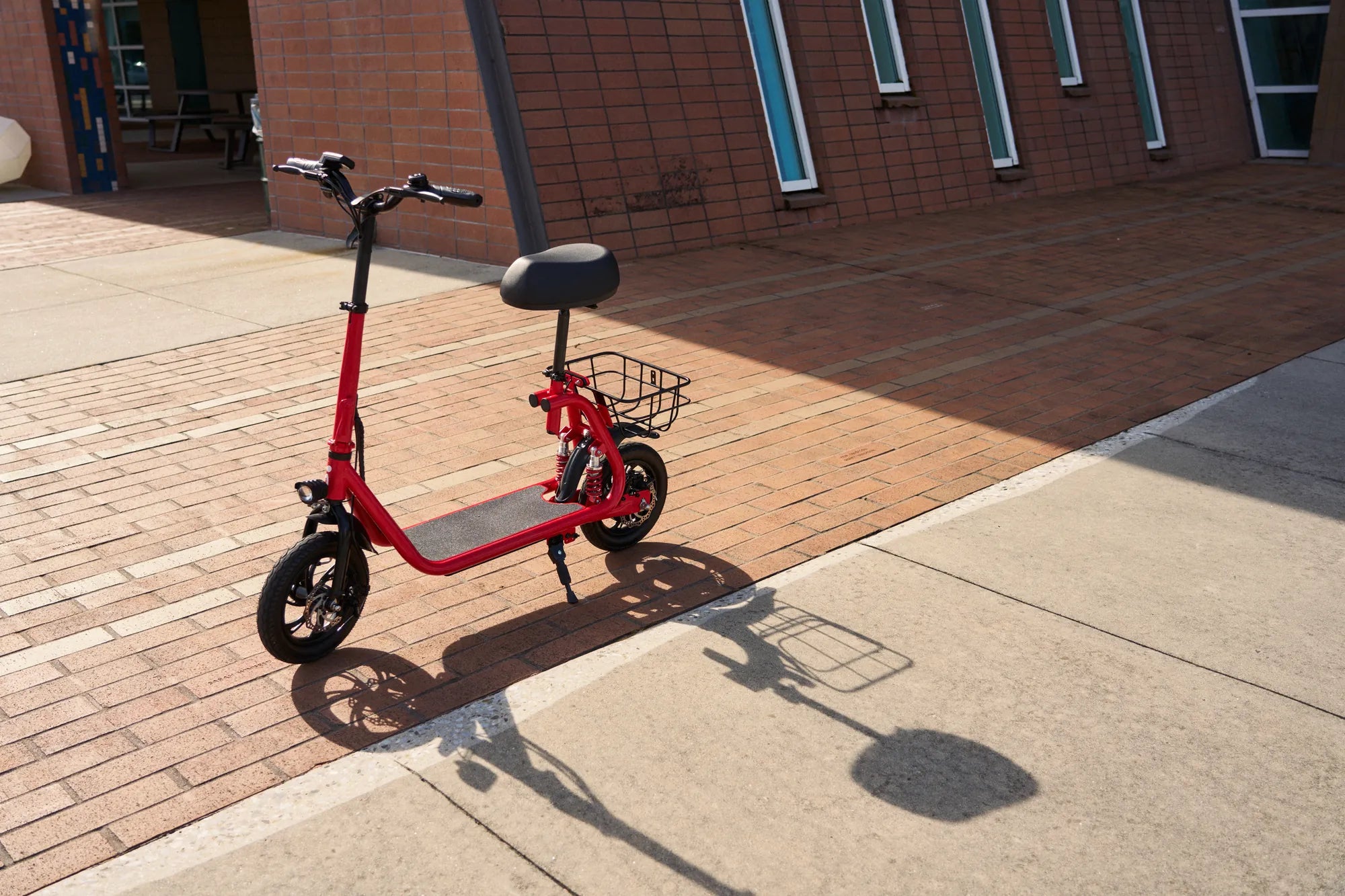
The Electric Scooter Revolution: A New Era of Urban Mobility
Electric scooters have transformed from niche gadgets to mainstream transportation solutions in cities worldwide. The core question for potential buyers is straightforward yet complex: are electric scooters worth it as a personal investment? This isn't just about a trendy purchase; it's about evaluating a tool that could redefine your daily commute, reduce your transportation costs, and alter your environmental footprint.
This guide moves beyond surface-level praise to deliver a comprehensive, data-driven analysis. We will dissect the financial equation of ownership, explore the tangible lifestyle benefits, and confront the practical limitations head-on. For commuters, students, and urban dwellers, making an informed choice requires understanding both the potential and the pitfalls of this rapidly evolving technology.
Our goal is to equip you with all the necessary information. We'll break down costs, compare savings, and provide a clear framework for deciding if an electric scooter aligns with your needs, budget, and local infrastructure. By the end, you'll have a personalized verdict on whether this investment makes sense for you.
The Financial Equation: A Detailed Cost vs. Savings Breakdown
Determining if electric scooters are worth it begins with a clear-eyed financial analysis. The upfront cost is just one part of a larger equation that includes long-term savings on fuel, parking, and public transit. For many, the payback period is surprisingly short.
A robust, commuter-ready electric scooter typically ranges from $500 to $1,200. This initial investment includes the scooter, charger, and, with reputable brands like Gyroor, a substantial warranty. When you compare this to the down payment, insurance, and financing of a car, or even the annual cost of a robust public transit pass, the scooter's price tag is put into perspective.
Upfront Investment: Understanding What You're Paying For
The sticker price encompasses several critical components that define quality and longevity. A higher initial investment often secures a UL-certified battery pack, a more powerful motor, better suspension, and advanced braking systems. These aren't luxuries; they are fundamentals for safe, reliable daily use.
Brands that stand behind their products, such as Gyroor with its industry-standard 1-year warranty on essential parts, provide a financial safety net. This warranty coverage is a crucial part of the value proposition, protecting against unforeseen repair costs and ensuring the scooter remains a viable asset. Skimping on price often means sacrificing these critical safeguards.
The Long-Term Savings: Crunching the Real Numbers
The operational cost of an electric scooter is where the financial argument becomes compelling. The electricity required for a full charge typically costs between 5 and 15 cents. With an average range of 15-25 miles per charge, the cost per mile is a fraction of a cent.
Contrast this with the American Automobile Association's (AAA) 2023 estimate that owning and operating a new vehicle costs over 70 cents per mile when factoring in fuel, maintenance, insurance, and depreciation. Even public transit, while cheaper than driving, represents a recurring, non-recoverable expense. The table below illustrates a clear annual comparison for an average urban commuter.
| Transportation Method | Estimated Annual Cost (5-mile commute) | Key Cost Components |
|---|---|---|
| Personal Car | $4,800 - $7,000 | Fuel, insurance, parking, maintenance, depreciation |
| Ride-Sharing (e.g., Uber/Lyft) | $3,000 - $5,000 | Fare costs, surge pricing, tips |
| Public Transit Pass | $800 - $1,500 | Monthly or annual pass fees |
| Electric Scooter | $50 - $150 | Electricity for charging, occasional maintenance |
For a commuter spending $100 monthly on transit, a $900 scooter pays for itself in under a year. Every year thereafter, the scooter generates direct savings, making a strong case that, from a purely financial perspective, electric scooters are worth it for regular urban travel.
Practical Benefits That Extend Beyond Your Wallet
The value of an electric scooter isn't confined to savings. The practical advantages it offers in daily urban life can be transformative, affecting everything from your daily schedule to your stress levels and environmental impact.
Time is a non-renewable resource, and urban congestion steals it relentlessly. Electric scooters offer a nimble alternative, capable of navigating traffic jams and utilizing bike lanes or shared paths. This agility converts directly into predictable, often shorter, commute times.
Conquer Your Commute and Reclaim Your Time
The "last-mile" problem—the gap between a transit stop and your final destination—is elegantly solved with a portable e-scooter. You can ride to the subway or bus stop, fold and carry your scooter aboard, and then ride the final leg. This multi-modal flexibility makes public transit more viable for a wider range of trips, effectively expanding your functional living area without a car.
Beyond commuting, scooters excel at short, local trips: grabbing groceries, visiting a friend, or exploring your neighborhood. These trips, often inefficient and costly by car or ride-share, become quick, free, and enjoyable. The convenience factor alone answers for many why electric scooters are worth it.
An Eco-Conscious and Convenient Choice
Electric scooters produce zero direct emissions. While their overall carbon footprint depends on the local electricity grid, studies consistently show they are significantly greener per passenger-mile than gasoline-powered vehicles, even when accounting for manufacturing and electricity generation. For the environmentally conscious rider, this is a major tangible benefit.
The convenience extends to storage and parking. A folded scooter can be stored under a desk, in a closet, or carried into a store, eliminating parking fees, parking tickets, and the anxiety of searching for a spot. This seamless integration into daily life underscores their practical utility.
Key Considerations and Potential Drawbacks
A balanced assessment requires acknowledging the limitations and responsibilities of e-scooter ownership. Understanding these factors is essential to determining if they align with your lifestyle and local environment.
Safety is the paramount concern. Riding any vehicle among traffic and pedestrians carries inherent risk. A quality helmet is non-negotiable, and many seasoned riders also recommend gloves, elbow pads, and knee pads, especially when learning or riding in heavy traffic.
Navigating Safety, Regulations, and Etiquette
Legal frameworks for e-scooters are still evolving and vary dramatically by city, state, and country. Common regulations include age restrictions (often 16+), bans on sidewalk riding in business districts, speed limits (frequently 15-20 mph), and requirements for lights and bells. It is the rider's absolute responsibility to know and follow local laws.
Riding etiquette is equally important for coexistence. This means yielding to pedestrians, signaling turns, not riding under the influence, and using bike lanes where available. Responsible riding protects you and others, fostering a positive environment for micro-mobility.
Understanding Real-World Limitations
Manufacturer range estimates are achieved under ideal laboratory conditions. Real-world range is affected by rider weight, hills, frequent stops and starts, temperature, and tire pressure. A scooter advertised for 25 miles might reliably deliver 18-20 miles for a 180-pound rider on a hilly route. Planning for a "buffer" is crucial to avoid being stranded.
Weather is a significant factor. While many scooters, including Gyroor models with IPX5 water-resistant ratings, can handle light rain and wet pavement, they are not designed for heavy downpours, deep puddles, or snow. Riding in adverse conditions is dangerous and can damage electronics. Scooters are fair-weather vehicles for most users.
Choosing the Right Scooter: An Essential Buyer's Checklist
If the benefits align with your needs, selecting the right model is the next critical step. The market is saturated with options, but focusing on key performance and safety features will lead you to a reliable, worthwhile investment.
Prioritizing features that ensure durability and safety directly impacts long-term satisfaction and value. A cheap scooter with a generic battery and no warranty is a false economy, likely leading to premature failure and safety hazards.
Non-Negotiable Features for Reliability and Value
UL-Certified Battery: This is the most critical safety feature. A UL 2271 certification means the battery pack has passed rigorous tests for electrical, mechanical, and environmental safety, drastically reducing fire risk. Brands like Gyroor use these certified packs as a standard, providing peace of mind.
Substantial Warranty: A warranty is a brand's promise. Look for at least a 1-year warranty on the battery, motor, and controller. This protects your investment from manufacturing defects. Gyroor's 1-year warranty is a benchmark for consumer protection in the industry.
Adequate Motor Power: A 350W motor is a minimum for flat urban areas. For cities with hills or heavier riders, a 500W or dual-motor system provides necessary torque and sustained speed. Underpowered scooters struggle on inclines, draining the battery rapidly and providing a poor experience.
Matching Specifications to Your Specific Needs
For Commuters: Prioritize range (20+ mile real-world estimate), portability (foldable design, weight under 35 lbs), and durability (solid tires or pneumatic with suspension). A built-in display for speed and battery level is essential.
For Recreational Riders: Comfort features like larger pneumatic tires, front and rear suspension, and a wider deck enhance ride quality for longer leisure rides. Speed may be a secondary concern to comfort.
For Multi-Modal Travelers: Weight and foldability are king. A lightweight (under 30 lbs), compact-folding scooter that you can easily carry onto a bus or train is more valuable than extreme range or power.
Maintenance and Upkeep: Ensuring Long-Term Value
To ensure your scooter remains worth it for years, proper maintenance is essential. Unlike a car, e-scooter maintenance is simple and inexpensive, but it cannot be ignored.
Regular checks should become a habit. Before each ride, inspect tire pressure (for pneumatic tires), test the brakes, ensure lights are functional, and check that all folding mechanisms are secure and free of play. This two-minute routine can prevent accidents and identify small issues before they become major repairs.
Basic maintenance tasks include keeping the scooter clean, especially the braking surfaces, and ensuring all bolts are tightened to specification periodically. For scooters with pneumatic tires, carrying a small repair kit for punctures is wise. The battery requires the most care: avoid leaving it at full or zero charge for extended periods, store it in a cool, dry place, and use only the manufacturer-provided charger.
Understanding these simple upkeep requirements demystifies ownership. A well-maintained scooter from a quality brand can provide reliable service for several years, extending its financial payoff and overall value proposition significantly.
The Verdict: Making Your Personalized Decision
So, are electric scooters worth it? The answer is a resounding "it depends"—but for a significant portion of the urban population, the scales tip heavily toward "yes." The financial case is strong, with a clear path to savings versus car ownership and public transit. The lifestyle benefits of time savings, convenience, and environmental friendliness are substantial and tangible.
The final decision hinges on a personal audit. Do your daily trips fall within a 5-10 mile radius? Is your local infrastructure (bike lanes, calm streets) conducive to safe riding? Are you able to store and charge a scooter securely? If you answer yes to these questions, an electric scooter is likely a smart, rewarding investment.
Choosing a reputable brand that prioritizes safety certifications and strong customer support is the final, crucial step. It transforms the purchase from a disposable gadget into a reliable transportation tool. When you invest in quality, you invest in peace of mind and long-term value.
Frequently Asked Questions (FAQ)
Q: Are electric scooters legal to ride on roads and sidewalks?
A: Laws vary widely. Typically, they are permitted in bike lanes and on roads with speed limits at or below 35 mph. Sidewalk riding is often prohibited in business districts or entirely. You must check your specific city and state regulations before riding.
Q: How far can I really go on a single charge?
A: Real-world range is usually 65-80% of the manufacturer's stated maximum. Factors like rider weight, hills, temperature, and riding style (frequent acceleration) significantly impact range. Always plan your route with a 20% range buffer.
Q: Is it safe to ride an electric scooter in the rain?
A: Scooters with a high water-resistance rating (IPX5 or higher, like many Gyroor models) can handle light rain and wet roads. However, you should avoid heavy downpours, deep puddles, and flooding. Always exercise extreme caution, as wet surfaces reduce tire traction and braking effectiveness.
Q: What is the typical maintenance required?
A: Maintenance is minimal: regular tire pressure checks (for pneumatic tires), brake pad inspection and adjustment, bolt tightening, and keeping the scooter clean. The most important maintenance is proper battery care: regular charging and avoiding extreme temperatures.
Q: Why is a UL-certified battery so important?
A: A UL 2271 certification means the battery pack has undergone independent safety testing for electrical, mechanical, and fire hazards. It is the leading standard for e-scooter battery safety and dramatically reduces the risk of battery fires, making it a non-negotiable feature for any scooter you bring into your home or workplace.
Q: Can I carry an electric scooter on public transit?
A: Policies differ by transit authority. Most buses and trains allow folded, carry-on e-scooters, but they may require them during off-peak hours only. It's best to check with your local transit provider's rules regarding "personal mobility devices."
Ready to experience the freedom and savings of a reliable electric scooter? Explore a range built with safety and performance as priorities. Browse the full Gyroor collection, featuring UL-certified batteries, IPX5 water-resistant designs, and a trusted 1-year warranty, at gyroorboard.com.
Electric Scooters Under $100: Affordable and Efficient Commuting Solutions
Electric Scooters for Adults Under $250: Affordable and Efficient Commuting Solutions