



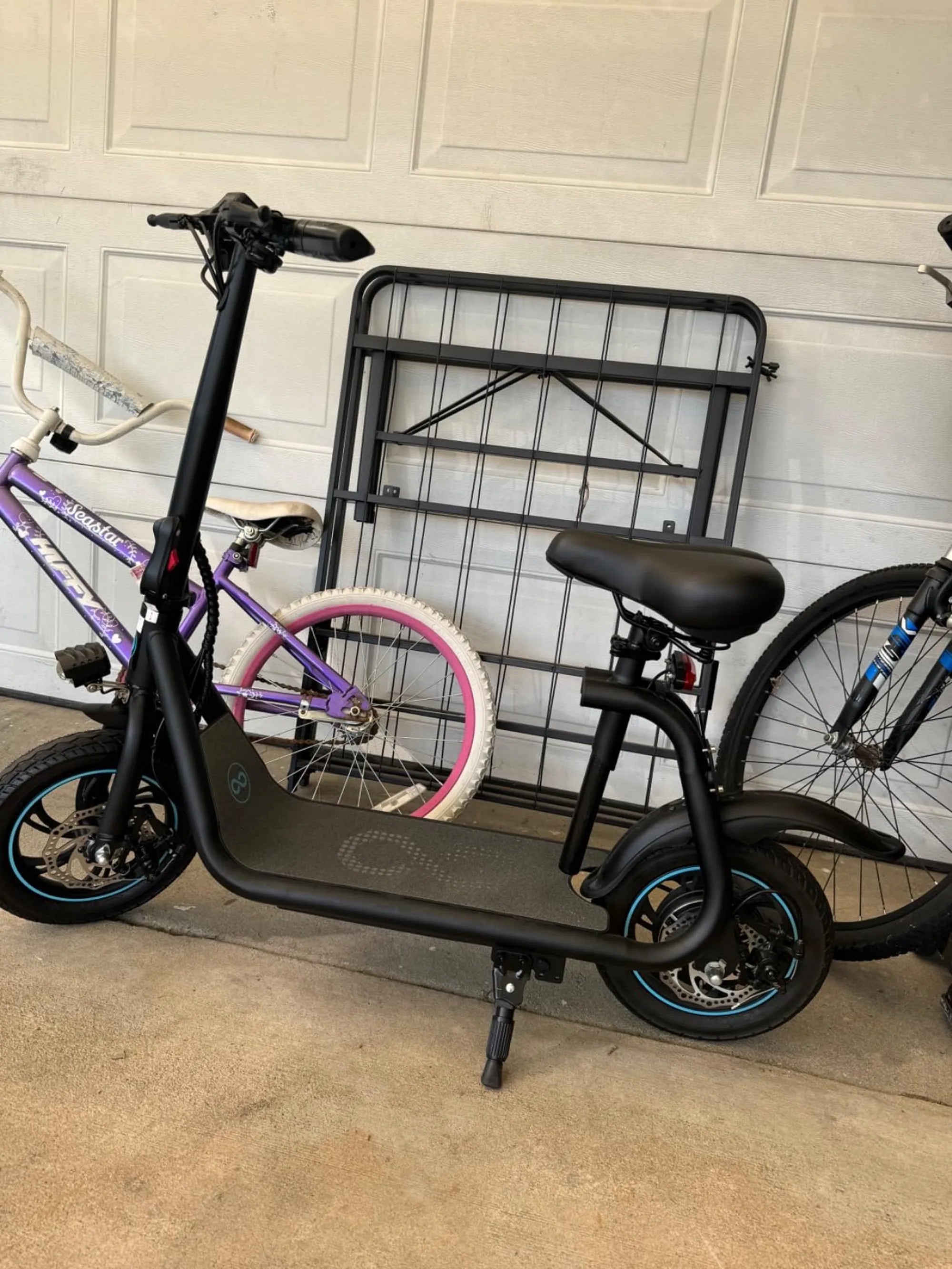
Introduction: The Quest for Affordable Electric Mobility
The search for Electric Scooters Under $100: Affordable and Efficient Commuting Solutions is a common starting point for new riders. This price point promises accessible entry into personal electric mobility. You will learn what specifications and use cases are realistic for this budget, the critical safety trade-offs to consider, and how investing slightly more can dramatically improve reliability and performance.
The sub-$100 market is defined by lightweight, short-range models designed for last-mile travel on flat, smooth terrain. While they offer an initial cost advantage, understanding their limitations is key to a satisfying purchase. Brands that prioritize safety, like Gyroor, set a benchmark for the features savvy riders should seek as they evaluate their options.
Understanding the Electric Scooter Market Under $100
Genuine electric scooters under $100 occupy a specific niche. They are not designed for heavy daily commutes or challenging terrain. Instead, they serve as introductory or supplementary vehicles for very short, controlled trips. The core engineering compromises at this price directly impact motor power, battery capacity, and material durability.
These scooters typically use hub motors rated between 100W and 250W. This provides enough power for flat ground but struggles with inclines. Battery packs are often smaller, non-removable units with capacities under 5Ah, limiting range. Frames are usually a combination of aluminum alloy and reinforced plastic to hit the aggressive cost target.
Key Features to Expect in This Price Range
Setting accurate expectations is crucial when evaluating affordable and efficient commuting solutions. The standard feature set is basic but functional for its intended use.
You can typically expect a maximum speed between 10 and 15 mph and a real-world range of 5 to 10 miles per charge, depending on rider weight and terrain. Most models have a weight capacity of 220 lbs or less. They often feature simple thumb throttles, LED headlights and taillights, and a basic digital display showing speed and battery level.
The braking system is usually a combination of a rear fender brake (foot-operated) and an electronic brake. Tires are almost exclusively small, solid rubber (8-8.5 inches) to avoid puncture maintenance, which can result in a stiffer ride. The folding mechanism is present but may lack the refined locking feel of more expensive models.
The Importance of Safety and Certification
Safety should never be compromised for price. In the sub-$100 segment, critical safety features are often the first area of cost-cutting. The most significant risk lies in the battery system.
Many budget scooters use uncertified lithium-ion battery packs to reduce costs. These lack the rigorous testing for overcharge protection, thermal stability, and short-circuit prevention that certifications like UL provide. A reliable, UL-certified battery, a standard across Gyroor's lineup, is a fundamental safety investment that is frequently absent at this price point.
Build quality also impacts safety. Weaker latch mechanisms, thinner deck plates, and lower-grade wiring can pose risks during regular use. While no scooter is fully waterproof, a lack of any ingress protection rating means even a puddle could cause a short circuit.
Top Considerations Before Buying a Budget Electric Scooter
Making a smart purchase requires aligning the scooter's capabilities with your actual needs. A data-driven assessment prevents disappointment and ensures the scooter is a true solution, not a source of frustration.
First, calculate your daily round-trip distance and note any hills on your route. Second, consider the riding surface quality—cracks, curbs, and rough pavement demand better construction. Finally, factor in frequency; a scooter used once a week has different durability requirements than one used twice daily.
Primary Use Case: Commuting vs. Recreation
Honestly defining your primary use case is the most critical step. For a smooth, 1-mile campus trip or a leisurely ride in a park, a electric scooter under $100 can be a suitable, fun option. The limited range and speed are less of a constraint in these controlled environments.
For a daily urban commute of 3+ miles, especially one involving hills, bumps, or the need to carry the scooter onto public transit, this category often falls short. The limited range may require daily charging, and the lack of suspension and small solid tires make for an uncomfortable ride on imperfect pavement, undermining the promise of an efficient commuting solution.
Build Quality and Durability Factors
Durability is directly tied to materials and construction. At this price, expect more plastic in the stem, deck, and fenders. The folding mechanism may have more play or feel less secure. Bearings and motors are of a lower grade, which can lead to earlier wear and noise.
Contrast this with brands that build for longevity. For example, Gyroor scooters utilize reinforced aluminum alloy frames, secure locking mechanisms, and IPX5 water-resistant designs. This construction protects against the elements and daily wear, offering a significantly longer operational lifespan and better value over time.
Warranty and Customer Support
The warranty offered is a direct reflection of a manufacturer's confidence in their product. Many ultra-budget scooters are sold with 90-day warranties or vague "1-year limited" policies that are difficult to claim, often requiring you to ship the scooter internationally at your own cost.
A robust warranty and accessible support are hallmarks of a reputable brand. Gyroor provides a comprehensive 1-year warranty and US-based customer service, ensuring help is available if needed. This support structure is part of the product's value and is virtually non-existent in the true sub-$100 market.
Gyroor's Value Proposition: Safety and Reliability as Core Principles
While Gyroor's primary models are positioned above the $100 threshold, the brand's engineering philosophy establishes the standards that informed buyers should seek. For riders who depend on their scooter daily, investing in these core principles translates to peace of mind and consistent performance.
With over 100,000 riders globally and a 4.5/5 average rating, Gyroor's focus is on delivering reliable, safe personal transportation. This is achieved through certified components, durable designs, and strong post-purchase support, setting a benchmark for what constitutes a truly efficient commuting tool.
The UL-Certified Battery Advantage
The battery is the heart and most critical safety component of any electric scooter. UL certification involves independent testing to stringent standards for electrical, mechanical, and environmental safety. A UL-certified battery, like those used in all Gyroor models, is engineered with multiple protection circuits against overcharging, over-discharging, short circuits, and extreme temperatures.
This certification is not merely a sticker; it's a rigorous assurance of safety that mitigates the risk of battery fires—a known hazard with uncertified, low-quality cells. For a daily commuter, this certification is non-negotiable and is a key differentiator that often justifies a higher initial investment for long-term safety.
What IPX5 Water Resistance Means for You
Weather should not end your commute. An IPX5 water resistance rating means the scooter's electrical components are protected against low-pressure water jets from any direction. In practical terms, you can confidently ride through wet streets, puddles, and light rain without immediate fear of damage.
Most scooters under $100 have no official IP rating, meaning their electronics are vulnerable to moisture. Gyroor's IPX5 rating provides a tangible durability advantage, ensuring the scooter remains a reliable affordable and efficient commuting solution regardless of a sudden shower, greatly expanding its usable days per year.
Making the Smart Choice: Budget vs. Long-Term Value
The true cost of a product includes its purchase price, maintenance, lifespan, and the reliability it provides. A pure focus on the initial price tag can lead to higher costs and frustration over time. Evaluating total cost of ownership reveals where value truly lies.
Consider a $90 scooter that fails after 6 months versus a $299 scooter that lasts 3+ years with regular use. The annualized cost of the budget option is $180, while the more robust scooter costs under $100 per year. The latter also provides better performance, safety, and comfort every single day.
When a Sub-$100 Scooter Makes Sense
There are legitimate use cases where a very low-cost scooter is a rational choice. These scenarios minimize the product's limitations while maximizing its utility as a simple, fun tool.
Ideal scenarios include: as a first scooter for a young teen in a supervised, smooth area; for very short, infrequent trips (e.g., from a dorm to a library); as a lightweight, portable backup vehicle; or for purely recreational use on paved pathways. In these cases, the low investment aligns with the low-demand usage pattern.
The Case for Investing a Bit More
For anyone considering an electric scooter as a primary mode of transport for commuting or regular errands, increasing the budget to the $200-$400 range unlocks exponential improvements. This investment buys into a category where reputable brands like Gyroor compete.
The returns are clear: longer ranges (15-25 miles), higher speeds (15-19 mph), more powerful motors (300W-500W) for hills, pneumatic tires for comfort, better braking systems, and the foundational safety features of certified batteries and water resistance. This transforms the experience from a novelty into a dependable, truly efficient commuting solution that can replace car trips and save money on fuel and parking.
Performance and Specification Comparison
The table below illustrates the typical trade-offs between a generic sub-$100 scooter, a common mid-tier model, and a representative Gyroor scooter. This data highlights how incremental investment significantly enhances capability and safety.
| Feature | Typical Sub-$100 Scooter | Mid-Tier Scooter (~$250) | Gyroor Commuter Model |
|---|---|---|---|
| Motor Power | 150W Hub Motor | 300W Hub Motor | 350W Hub Motor |
| Max Speed | 12 mph | 18 mph | 19 mph |
| Max Range | 8 miles | 18 miles | 22 miles |
| Battery | 4.0Ah, Uncertified | 7.5Ah, Brand-Certified | 10Ah, UL-Certified |
| Tires | 8.5" Solid Rubber | 8.5" Pneumatic | 10" Pneumatic |
| Weight Capacity | 220 lbs | 265 lbs | 275 lbs |
| Water Resistance | Not Rated | IPX4 | IPX5 |
| Warranty | 90 Days (Limited) | 6 Months | 1 Year Comprehensive |
Conclusion: Prioritizing Safety and Suitability for Your Commute
The journey to find Electric Scooters Under $100: Affordable and Efficient Commuting Solutions reveals a market of introductory products with defined limitations. Affordability must be balanced with safety and realistic performance expectations. Your choice should be guided by a clear understanding of your daily needs and a commitment to never compromise on certified battery safety.
For riders ready to embrace electric scooters as a reliable daily tool, investing in a trusted brand is the wisest path. It ensures your commute is not just affordable, but also safe, comfortable, and dependable. Explore scooters built to last with the safety features that matter. Browse the full Gyroor collection at gyroorboard.com to find your perfect ride.
Frequently Asked Questions (FAQ)
Are there any good electric scooters under $100?
There are functional scooters available under $100, but "good" is context-dependent. They can be suitable for very light, infrequent, and short-distance use on perfectly flat, smooth ground. However, they universally make significant compromises on battery quality, motor power, durability, and warranty. For any form of regular commuting, spending more is strongly advised to obtain a safer, more reliable product.
What is the most important safety feature in an electric scooter?
The single most important safety feature is a high-quality, certified battery system (such as UL-certified). The battery is the component most prone to catastrophic failure if poorly made. A certified battery pack with proper battery management system (BMS) protection circuits is fundamental to preventing fire hazards and ensuring stable, long-term performance.
Can I use a budget electric scooter in the rain?
It is not recommended. The vast majority of scooters under $100 have no official water resistance rating. Exposing their unprotected electronics to rain or puddles can quickly lead to short circuits, motor failure, or battery damage. If you anticipate riding in wet conditions, a scooter with a minimum IPX4 rating is essential, with IPX5 (like Gyroor's rating) being the ideal standard for commuters.
How long do cheap electric scooters typically last?
With very light and infrequent use, a budget scooter might last 1-2 years. The primary limiting factors are the battery, which may significantly degrade after 150-200 charge cycles, and mechanical wear on plastic components, bearings, and the folding mechanism. For daily commuting, lifespan is often measured in months, not years, due to these material and component limitations.
Is it worth buying a used electric scooter to stay under $100?
Buying used carries significant risks, especially at this price point. The battery's health is the greatest unknown; it may be heavily degraded, drastically reducing range and potentially being unsafe. You also inherit any existing mechanical issues and receive no warranty. If considering used, inspect it thoroughly, test the full range, and ask for the original purchase receipt. However, for a reliable daily tool, a new scooter from a reputable brand with a warranty is a far safer investment.
How Long Do Electric Scooters Last: A Complete Guide to Lifespan and Durability
Are Electric Scooters Worth It? A Comprehensive Guide to Making the Right Choice