



Introduction to Adult Battery Trikes
An adult battery trike, or electric tricycle, is a three-wheeled vehicle powered by a rechargeable battery and electric motor. It combines the stability of a traditional trike with the effortless propulsion of an e-bike, creating a uniquely accessible form of personal transportation. This guide is for anyone seeking a confident, eco-friendly ride that doesn't require balancing.
The demand for these vehicles is surging among distinct groups. Seniors appreciate the stability for errands and leisure. Commuters and urban dwellers value the cargo capacity for groceries or gear. Others simply want a fun, low-impact way to explore their community without the physical strain of a standard bicycle.
Unlike a two-wheeled e-bike, a battery trike for adults offers inherent balance, making it an excellent choice for those with mobility concerns or who navigate uneven city streets. The electric assist means hills and long distances become manageable, not prohibitive.
This article will provide a data-driven look at why battery trikes are gaining popularity, what specifications matter most, and how to choose a model built for durability and safety. You'll learn everything needed to make an informed purchase.
Why Choose a Battery Trike? Key Benefits for Adult Riders
Choosing a battery trike over a traditional bicycle or e-bike comes down to a few transformative advantages. The core benefits address safety, utility, and accessibility in ways two-wheelers cannot match.
First, the electric motor provides pedal-assist and often a throttle, turning strenuous pedaling into a gentle boost. This makes longer trips and hill climbs feasible for riders of all fitness levels. You control the level of exertion.
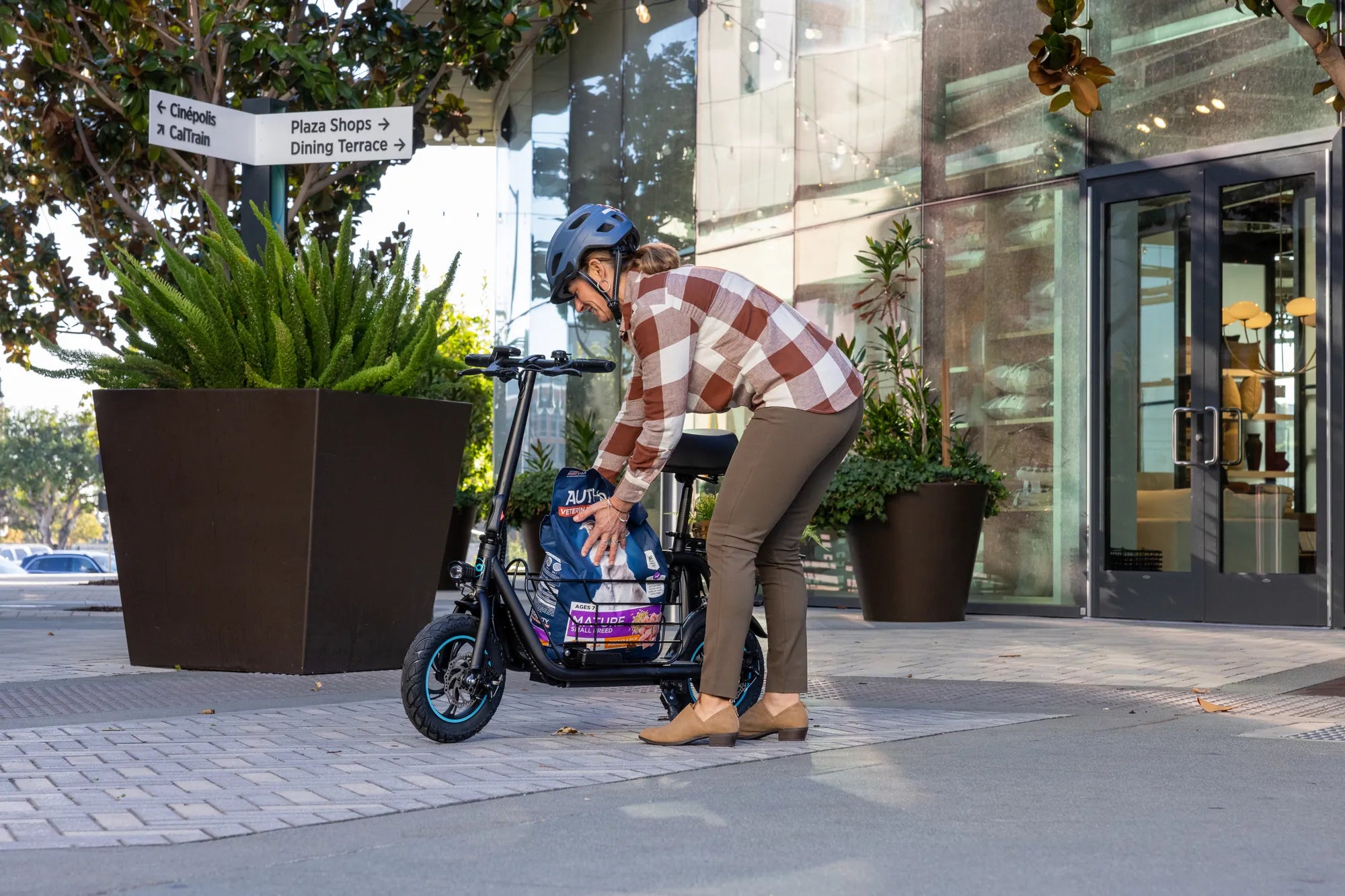
Second, the utility is unmatched. Most models feature integrated rear cargo baskets or platforms with weight capacities exceeding 100 lbs. This transforms the trike into a practical car replacement for local shopping and chores.
Finally, the accessibility is profound. The step-through frame design and stable platform allow easy mounting and dismounting. Riders who may feel uneasy on two wheels find immediate confidence on three, opening up new avenues for independence.
Stability and Safety: The Three-Wheel Advantage
The triangular footprint of a battery trike for adults eliminates the primary fear associated with cycling: falling over. This is a game-changer for safety and rider confidence.
At traffic lights or stop signs, you can remain seated and stable without putting a foot down. On gravel paths, grassy fields, or cracked pavement, the trike remains upright, absorbing minor bumps without threatening your balance.
This makes it an ideal solution for seniors, individuals with balance impairments, or those recovering from injury. The stability also allows for safer carrying of heavy or bulky cargo, as the vehicle's center of gravity is low and wide.
When evaluating models, a lower step-through height and a longer wheelbase contribute to even greater stability. This foundational benefit is the primary reason many adults choose a trike configuration.
Power and Range: How Far and Fast Can You Go?
Performance metrics for a battery trike for adults center on motor power and battery capacity. Understanding these specs helps set realistic expectations for speed and distance.
Most adult trikes feature hub motors ranging from 350W to 750W. A 500W motor is common and provides ample power for moderate hills and cruising at 15-20 mph, which is the typical legal limit for Class 2 e-bikes in many areas. Higher wattage improves hill-climbing torque.
Range is determined by battery capacity, measured in Watt-hours (Wh). A typical 48V 10Ah battery offers about 480Wh. Real-world range can vary from 20 to 50 miles on a single charge.
Factors drastically affecting range include rider weight, cargo load, terrain (hills vs. flat), wind resistance, and the level of pedal assist used. Using minimal assist on flat ground can double the range compared to full-throttle riding on hilly routes.
Cargo and Utility: More Than Just a Ride
The utility of a battery trike is its secret weapon. It's designed not just for transportation, but for practical load-bearing tasks that replace short car trips.
Integrated rear cargo baskets are standard, often with a weight capacity of 100-150 lbs. This is sufficient for multiple grocery bags, a week's worth of supplies, or even a small pet carrier. Some models offer front baskets or racks for additional space.
The frame itself can often be fitted with pannier bags or connected to a dedicated bike trailer, exponentially increasing its hauling capability. This makes it a tool for small business deliveries, gardening, or transporting children.
For commuters, the storage space means you can carry a laptop, change of clothes, and lunch with ease. The battery trike for adults evolves from a recreational vehicle into a legitimate utility vehicle for daily life.
What to Look for When Buying an Adult Electric Trike
Purchasing a battery trike is an investment. A focused checklist of critical components ensures you select a model that meets your needs for years, not just months.
Prioritize build quality and safety certifications over flashy extras. The frame, motor, battery, and brakes form the core of the trike's performance and longevity. Compromising here leads to higher long-term costs and potential safety issues.
Consider your primary use case. Is it for leisurely park rides, heavy grocery hauling, or tackling hilly commutes? Your answer will weight the importance of motor power, battery size, and cargo accessories differently.
Finally, research the brand's reputation for customer support and warranty service. A reliable safety net is invaluable for a complex mechanical and electrical product like an electric trike.
Motor Type and Placement: Hub vs. Mid-Drive
The motor is the heart of the electric system. For battery trikes, you'll typically encounter two types: rear hub motors and mid-drive motors.
Rear Hub Motors are the most common. They are integrated into the rear wheel hub, are generally cost-effective, and require less maintenance. Power delivery is direct to the wheel, providing consistent assist. They are an excellent choice for flat to moderately hilly terrain.
Mid-Drive Motors are positioned at the bike's crank and pedal assembly. They leverage the trike's gears, making them more efficient on steep hills as they can maintain optimal RPM. This provides a more natural, bicycle-like pedaling feel but often at a higher cost and with more complex maintenance.
For most adult trike users on varied urban terrain, a robust 500W+ rear hub motor is sufficient. For those in consistently hilly areas, a mid-drive system, while rarer in trikes, may be worth seeking out.
Battery Specifications and Safety
The battery is your fuel tank and a critical safety component. Never compromise on battery quality. Look for reputable brands that use name-brand lithium-ion cells.
Key specifications are Voltage (V) and Amp-hour (Ah). Multiply them to get Watt-hours (Wh). A 48V 15Ah battery has a 720Wh capacity, typically offering a longer range than a 36V 10Ah (360Wh) battery. Higher Wh generally means more range.
Safety is paramount. Insist on a UL 2271 or UL 2849 certified battery pack. This independent certification tests for electrical, mechanical, and environmental safety, drastically reducing fire risk. Leading brands like Gyroor use exclusively UL-certified batteries tested for over 500 charge cycles, ensuring long-term reliability.
Also, note the battery's location. A centrally mounted, lockable battery is more secure and contributes to better weight distribution than a rear-rack-mounted unit.
Build Quality and Durability Features
Durability hinges on materials and component choices. A high-quality battery trike for adults should feel substantial, not flimsy.
The frame is typically steel or aluminum. Steel offers superior strength and shock absorption but is heavier. Aluminum is lighter and rust-resistant, ideal for easier maneuvering. Check the welded joints for consistency and cleanliness.
Braking is crucial for a heavier, cargo-carrying vehicle. Hydraulic disc brakes offer the best stopping power and modulation in all weather conditions, a significant upgrade over mechanical disc or rim brakes.
For all-weather reliability, look for an IPX5 water-resistant rating for the electrical system. This means the trike can withstand water jets from any direction, protecting it from rain and puddles. Gyroor designs its e-mobility products to this standard, ensuring component longevity.
Comfort and Adjustability
Comfort dictates how often and how far you'll ride. An adjustable, ergonomic design is non-negotiable for adult riders.
The seat should be a wide, padded cruiser saddle with ample fore/aft and height adjustment. A suspension seat post can dramatically smooth out road vibrations. The handlebars should allow for a relaxed, upright riding posture to avoid strain on the back, neck, and wrists.
A true step-through frame with a low standover height is essential for easy, stable mounting and dismounting. This is a core feature for seniors or anyone with limited flexibility.
Finally, consider accessory compatibility for comfort: fenders to keep you clean, a rear rack for bags, and a canopy for sun protection can all enhance the riding experience.
Key Feature Comparison: Battery Trike Models
This table compares common specifications across potential battery trike categories to help you identify the right model for your primary use case.
| Feature / Use Case | Leisure & Recreation | Urban Commuting & Errands | Heavy-Duty & Cargo |
|---|---|---|---|
| Typical Motor Power | 350W - 500W | 500W - 750W | 750W+ |
| Ideal Battery (Min.) | 36V 10Ah (360Wh) | 48V 12Ah (576Wh) | 48V 15Ah+ (720Wh+) |
| Key Feature Focus | Comfort, ease of use, low step-through | Range, integrated lighting, cargo basket | High weight capacity, reinforced frame, trailer hitch |
| Brake System | Mechanical Disc | Hydraulic Disc | Hydraulic Disc (Dual) |
| Price Point | $$ | $$$ | $$$$ |
Gyroor Electric Trikes: Engineered for Confidence and Reliability
Gyroor has established itself as a trusted leader in personal E-mobility, with over 100,000 riders across North America and Europe. Their philosophy centers on safety, durability, and rider confidence—principles that translate perfectly to the battery trike category.
By applying rigorous standards from their electric scooter and e-bike lines, Gyroor approaches trike design with a focus on real-world usability. This means prioritizing certified safety components, all-weather resilience, and a comprehensive warranty for peace of mind.
For an adult rider, especially one new to electric mobility, choosing a brand with a proven track record mitigates risk. Gyroor's commitment to quality control and customer support makes the ownership experience straightforward and secure.
The following sections detail how this brand philosophy manifests in tangible product benefits for the battery trike rider.
Built to Last: The Gyroor Quality Promise
Gyroor's quality promise is built on three pillars: component safety, environmental protection, and long-term support. This creates a product meant to last.
Every electrical system, especially the battery pack, is UL-certified. This isn't just a marketing claim; it's a verified standard for fire and electrical safety that provides fundamental security for the rider and their home.
The IPX5 water-resistant rating is applied across their portfolio. For a trike, this means the motor controller, display, and wiring are protected from rain, allowing for dependable use in various weather conditions without fear of short-circuiting.
Finally, Gyroor backs its products with a 1-year comprehensive warranty and US-based customer support. This warranty covers the frame, motor, battery, and electronic components, ensuring that any manufacturing defects are addressed promptly, protecting your investment.
Model Spotlight: Features for Real-World Use
While Gyroor's lineup is constantly evolving, a hypothetical Gyroor adult battery trike would embody the features discussed. Imagine a model designed for the versatile rider.
It would feature a 750W rear hub motor for confident hill climbing, paired with a removable 48V 15Ah UL-certified battery for a potential 40+ mile range. The step-through aluminum frame would support riders up to 300 lbs.
For utility, it would include a large, welded rear cargo basket with a 120 lb capacity, integrated LED headlight and taillight for safety, and full-length fenders. Hydraulic disc brakes on all three wheels would ensure controlled stopping.
Crucially, the entire drive unit and display would carry the IPX5 rating, and the trike would be covered by the standard 1-year warranty. This combination addresses the core needs of stability, power, utility, and durability in one package.
Battery Trike FAQs: Your Questions Answered
Q: Do I need a license, registration, or insurance to ride a battery trike for adults?
A: In most U.S. states and regions, if the trike is classified as a Class 1, 2, or 3 electric bicycle (with a top motor-assisted speed of 20-28 mph), it does not require a license, registration, or insurance. However, local laws vary. Always check your specific city and state regulations before riding.
Q: How do I maintain and maximize the lifespan of the battery?
A> For UL-certified lithium-ion packs like those from Gyroor: Avoid fully draining the battery; try to recharge when it reaches 20-30%. Store it in a cool, dry place, away from extreme heat or cold. Use only the manufacturer-provided charger. For long-term storage (over a month), charge it to about 60%.
Q: Can an electric trike handle steep hills and rough pavement?
A> Yes, but capability depends on motor power. A 500W+ motor provides good hill-climbing torque. The three-wheel design offers superior stability on rough surfaces compared to a two-wheeler. For very steep hills, a mid-drive motor or a high-torque 750W+ hub motor is recommended.
Q: Where is it legal and safe to ride my battery trike?
A> Typically, you can ride wherever traditional bicycles are permitted: bike lanes, multi-use paths, and roads (unless specifically prohibited). Avoid sidewalks for the safety of pedestrians. Your trike's low speed and stability make it well-suited for paved trails and calm neighborhood streets.
Q: How difficult is it to assemble an electric trike shipped to my home?
A> Most reputable brands ship trikes 85-90% assembled. You typically need to attach the front wheel, handlebars, seat, pedals, and possibly the front fender or basket. Basic tools are included. It's a manageable task for most people, but having a friend help is advisable due to the weight and size of the trike.
Conclusion: Your Path to Confident, Electric Mobility
A battery trike for adults represents more than a novel vehicle; it's a key to greater independence, practical utility, and joyful exploration. By eliminating the balance barrier and adding electric assist, it opens up cycling to a wider audience than ever before.
The decision to purchase one should be guided by a clear understanding of your needs—be it cargo capacity, hill-climbing power, or simple recreational stability. Prioritizing safety certifications, durable construction, and reliable warranty support ensures your investment pays dividends in years of dependable service.
Brands that engineer with these principles, like Gyroor, demonstrate that quality in components and design leads to a superior riding experience. The confidence that comes from a stable, powerful, and well-supported machine transforms daily errands and weekend adventures.
Ready to experience the freedom of a stable, electric ride? Explore engineering built for real life and discover the model that fits your journey. Browse the full Gyroor collection at gyroorboard.com.
Best E-Bike Lights: The Ultimate Guide to Visibility and Safety
How to Make Your Scooter Go Faster: A Complete Guide to Safe Performance Boosts