



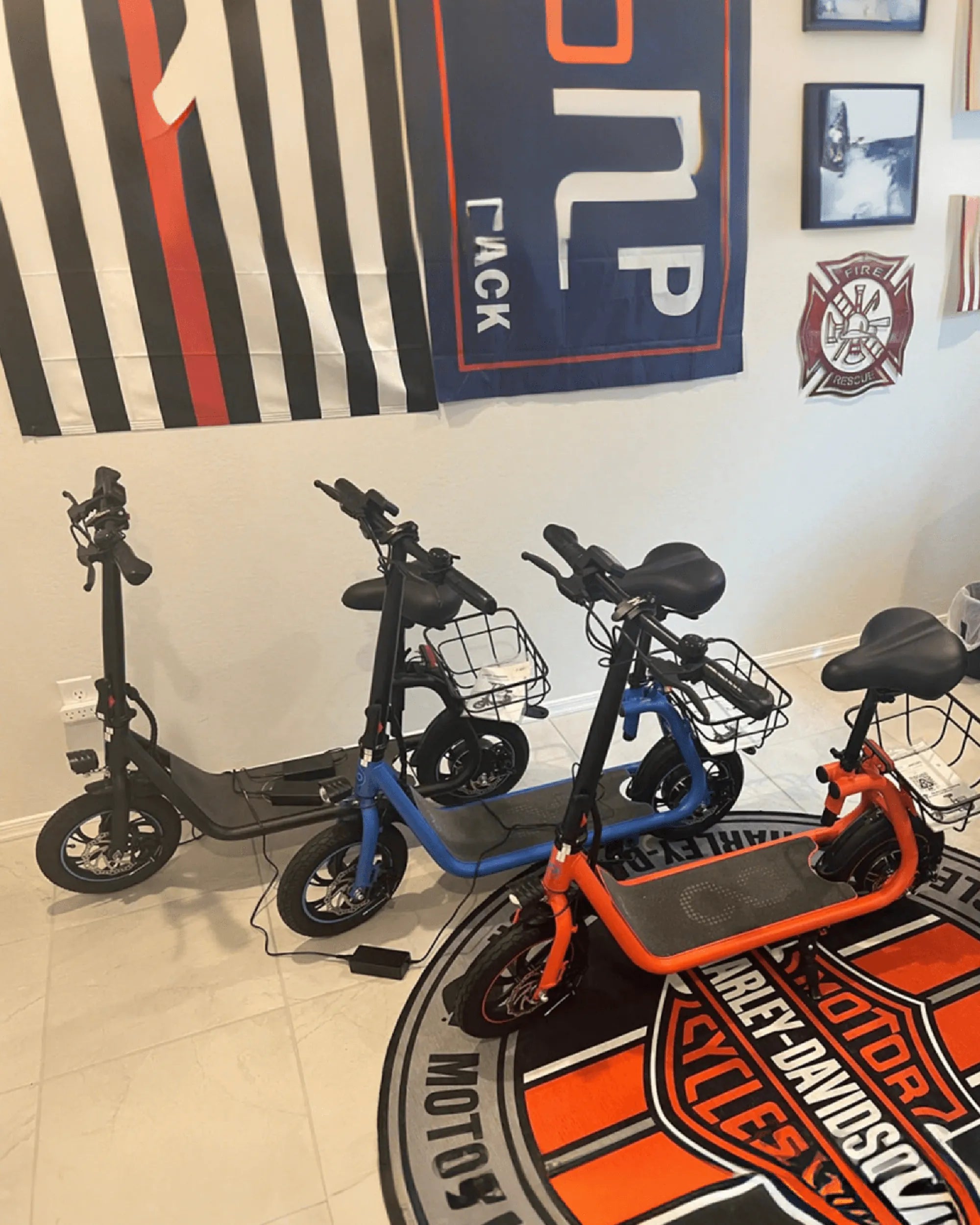
Choosing the best battery powered electric scooters for a smooth and efficient ride isn't just about top speed or flashy design. The core of your experience—the seamless acceleration, the reliable range, the confidence on a hill—is dictated by one critical component: the battery system. This guide cuts through the spec sheets to explain how advanced battery technology, integrated with robust engineering, creates the superior ride quality that transforms daily commutes and urban adventures.
Introduction: Why Your E-Scooter's Battery Defines the Ride
An electric scooter is more than a motor on wheels; it's a balanced system where the battery acts as the heart and lungs. It doesn't just store energy; it defines the character of your ride. A high-performance, well-managed battery delivers consistent power for smooth acceleration, maintains voltage to prevent sluggishness on inclines, and provides accurate range estimates to eliminate anxiety.
Conversely, a poor-quality battery leads to a frustrating experience: sudden power drops, wildly inaccurate range readings, and long-term reliability issues. This article will guide you through the technology and features that separate adequate scooters from exceptional ones, focusing on the engineering that delivers genuine smoothness and efficiency for the real world.
The Core of the Ride: Understanding E-Scooter Battery Technology
To identify the best battery powered electric scooters, you must understand the key metrics. Voltage (V), measured in volts, determines the potential power and torque available to the motor. Higher voltage systems (like 36V or 48V) generally provide stronger acceleration and better hill-climbing ability.
Amp-hours (Ah) measure the battery's capacity, or how much charge it can hold. However, the most critical number for understanding true range is Watt-hours (Wh), which is Voltage multiplied by Amp-hours (V x Ah = Wh). This figure represents the total energy capacity and allows for direct comparison between different scooters.
Modern scooters universally use Lithium-ion battery packs due to their high energy density, relatively low weight, and longevity. Within the battery pack, a Battery Management System (BMS) is the unsung hero. This electronic brain manages cell balancing, prevents overcharging and deep discharging, monitors temperature, and ensures safe, efficient power delivery—all essential for a smooth ride.
UL-Certification and Safety: The Non-Negotiable for Peace of Mind
Beyond capacity and chemistry, safety certification is paramount. UL (Underwriters Laboratories) certification for the battery pack is a rigorous standard that tests for electrical, mechanical, and environmental safety. A UL-certified battery, like those used across the Gyroor lineup, has undergone extensive testing to mitigate risks of overheating, short-circuiting, or fire.
This certification is not merely a sticker; it's a guarantee of quality construction and responsible engineering. It directly impacts your long-term ride confidence, knowing the most critical and energy-dense component of your scooter meets the highest independent safety standards. Investing in a scooter without this certification compromises safety for potentially lower cost.
Key Features for a Smooth and Efficient Battery-Powered Ride
Smoothness and efficiency are the result of a synergy between the battery and the scooter's overall design. Here are the features where quality battery systems make their presence felt.
Power Delivery and Motor Performance
A robust battery with a high discharge rate supports the motor's peak power demands without significant voltage sag. This means when you accelerate from a stop or tackle a steep hill, the power delivery remains consistent and linear. You experience a surge of torque, not a stutter or a gradual decline in speed, which is the hallmark of a smooth, powerful ride enabled by a capable battery and motor pairing.
Range Consistency and Real-World Performance
Manufacturer range claims are often based on ideal laboratory conditions. Real-world range is affected by rider weight, terrain, wind, tire pressure, and riding style (frequent acceleration uses more power). A high-quality battery with an advanced BMS provides more accurate battery level indicators and more consistent performance as the charge depletes.
To maximize efficiency, maintain proper tire pressure, use eco or cruise modes when possible, and avoid constant stop-start riding. Scooters with larger battery capacities (higher Wh) inherently provide a buffer against "range anxiety," allowing you to complete your commute with power to spare.
Durability and Weather Resistance (IPX5 Rating)
The battery and electronics must be protected from the elements. An IPX5 water-resistance rating means the scooter's enclosure can withstand water jets from any direction. This makes it safe for commuting in light to moderate rain, riding through urban puddles, and handling wet roads.
For a brand like Gyroor, which designs its scooters with IPX5-rated construction, this protection is integral. It safeguards the battery compartment and wiring, ensuring long-term reliability and the ability to ride in a variety of conditions without fear of water damage causing a sudden failure or reducing battery life.
Top Considerations When Choosing Your High-Performance E-Scooter
Use this practical checklist to evaluate models and find the best battery powered electric scooter for your specific needs.
Matching Battery Range to Your Commute
First, calculate your typical round-trip distance. Then, add a minimum 20-30% buffer to account for real-world variables like hills, wind, and battery degradation over time. For example, a 10-mile round-trip commute warrants a scooter with a real-world range of at least 13-15 miles. Opting for a model with a larger battery than strictly necessary reduces daily charging needs and preserves long-term battery health.
Warranty and Support: Protecting Your Investment
The warranty is a direct reflection of the manufacturer's confidence in their product, especially the battery and drivetrain. A comprehensive warranty, such as the 1-year standard warranty offered by Gyroor, provides crucial protection. Equally important is accessible customer support for troubleshooting and obtaining authorized parts. Strong post-purchase support ensures your scooter remains a smooth and efficient ride for years, protecting your investment.
Comparison: Scooter Types for Different Ride Needs
This table highlights how different scooter configurations prioritize aspects of the ride experience, all centered on battery and motor performance.
| Rider Profile & Use Case | Recommended Battery/Motor Specs | Key Features for Smoothness | Real-World Efficiency Focus |
|---|---|---|---|
| Urban Commuter (Short to medium daily trips, paved paths) | 300-500Wh Battery, 350W-500W Motor | Portability, reliable start-stop power, integrated lighting. | Regenerative braking, multiple speed modes, IPX5 rating. |
| Performance & Range Seeker (Longer commutes, varied terrain) | 500Wh+ Battery, 500W+ Motor (Peak 750W+) | Dual suspension, wider pneumatic tires, robust frame. | High-capacity battery, advanced BMS for range accuracy, efficient motor. |
| Lightweight & Portable (Last-mile solution, multi-modal travel) | 250-350Wh Battery, 250W-350W Motor | Ultra-compact fold, sub-30 lb weight, quick folding mechanism. | Solid tires (low maintenance), simplified design, efficient power curve. |
Why Gyroor Scooters Are Engineered for Ride Excellence
The principles outlined above are not theoretical for Gyroor; they are foundational to their design philosophy. With over 100,000 riders across North America and Europe, Gyroor has built a reputation on delivering reliable, smooth-riding electric scooters. This is achieved through a commitment to core engineering tenets that directly create a superior ride experience.
Every Gyroor scooter is powered by a UL-certified lithium-ion battery pack, tested for over 500 charge cycles. This ensures safe, stable power delivery from the first ride to the hundredth. The IPX5 water-resistant rating is applied to key models, providing the durability needed for all-weather commuting confidence. Furthermore, the reliable 1-year warranty and accessible customer support network guarantee that your investment is protected, allowing you to focus on the ride itself.
By integrating these elements—certified safety, environmental protection, and strong support—Gyroor scooters exemplify what it means to be among the best battery powered electric scooters for a smooth and efficient ride. The technology is implemented with the rider's daily reality in mind, prioritizing consistent performance and long-term satisfaction over mere spec-sheet numbers.
Essential Safety and Maintenance for Long-Term Performance
Owning a high-performance scooter comes with the responsibility of proper care. Regular maintenance ensures your ride stays smooth and your battery remains healthy. Always perform a pre-ride check: inspect tires for pressure and wear, test brakes, ensure lights are functional, and verify all folding mechanisms are locked securely.
For battery care, avoid letting the scooter sit fully discharged for extended periods. For storage longer than a few weeks, charge the battery to approximately 50-80% and store in a cool, dry place. Always use the manufacturer-provided charger, as off-brand chargers may not regulate voltage correctly, damaging the BMS and cells. Following these practices will maximize the lifespan of your battery, preserving the scooter's range and efficiency.
Your Electric Scooter Battery Questions, Answered
Q: How long do electric scooter batteries typically last?
A: A quality lithium-ion battery, like the UL-certified packs in Gyroor scooters, is rated for 500-1000 full charge cycles before capacity diminishes to about 80% of its original state. With typical use (2-3 charges per week), this translates to a functional lifespan of 2-4 years.
Q: Can I ride an IPX5-rated scooter in the rain?
A: Yes, an IPX5 rating certifies protection against water jets from any direction, making it safe for riding in light to moderate rain and through urban puddles. However, it is not designed for submersion, riding through deep standing water, or in torrential downpours.
Q: What is more important for range: voltage or amp-hours (Ah)?
A> For estimating potential range, the watt-hour (Wh) rating is the key figure, as it combines both (Volts x Amp-hours = Watt-hours). A higher Wh number generally indicates a larger energy capacity and longer potential range, assuming similar motor efficiency and riding conditions.
Q: Why is a Battery Management System (BMS) important?
A: The BMS is critical for safety, performance, and longevity. It manages individual cell voltages to keep them balanced, prevents overcharging and over-discharging (which can damage cells), monitors temperature, and ensures efficient power draw. A good BMS is essential for a smooth ride and a long battery life.
Q: How can I maximize my e-scooter's battery lifespan?
A> Key practices include: avoiding regular full 0-100% discharge cycles (try to recharge at 20-30% remaining), storing the scooter in a temperate environment (avoid extreme heat or cold), using only the official charger, and not leaving the scooter plugged in for days after a full charge.
Investing in a Superior Ride Experience
The search for the best battery powered electric scooter culminates in a simple truth: a smooth and efficient ride is the product of integrated, quality engineering. It's found where UL-certified battery safety meets IPX5 weather resistance, where a robust motor is fed by a stable power supply, and where a strong warranty supports your journey. This investment pays daily dividends in commuting pleasure, reliability, and the pure efficiency of gliding through your city with confidence. The right scooter doesn't just get you from A to B; it transforms the journey itself.
Ready to experience a ride defined by smooth power and reliable performance? Explore the full range of engineered electric scooters and e-bikes designed for the real world. Browse the full Gyroor collection at gyroorboard.com to find your perfect match.
Scooters Urban Electric: Your Guide to Smarter City Commuting
Best Electric Scooters UK: Top Picks for Commuters and Leisure Riders