



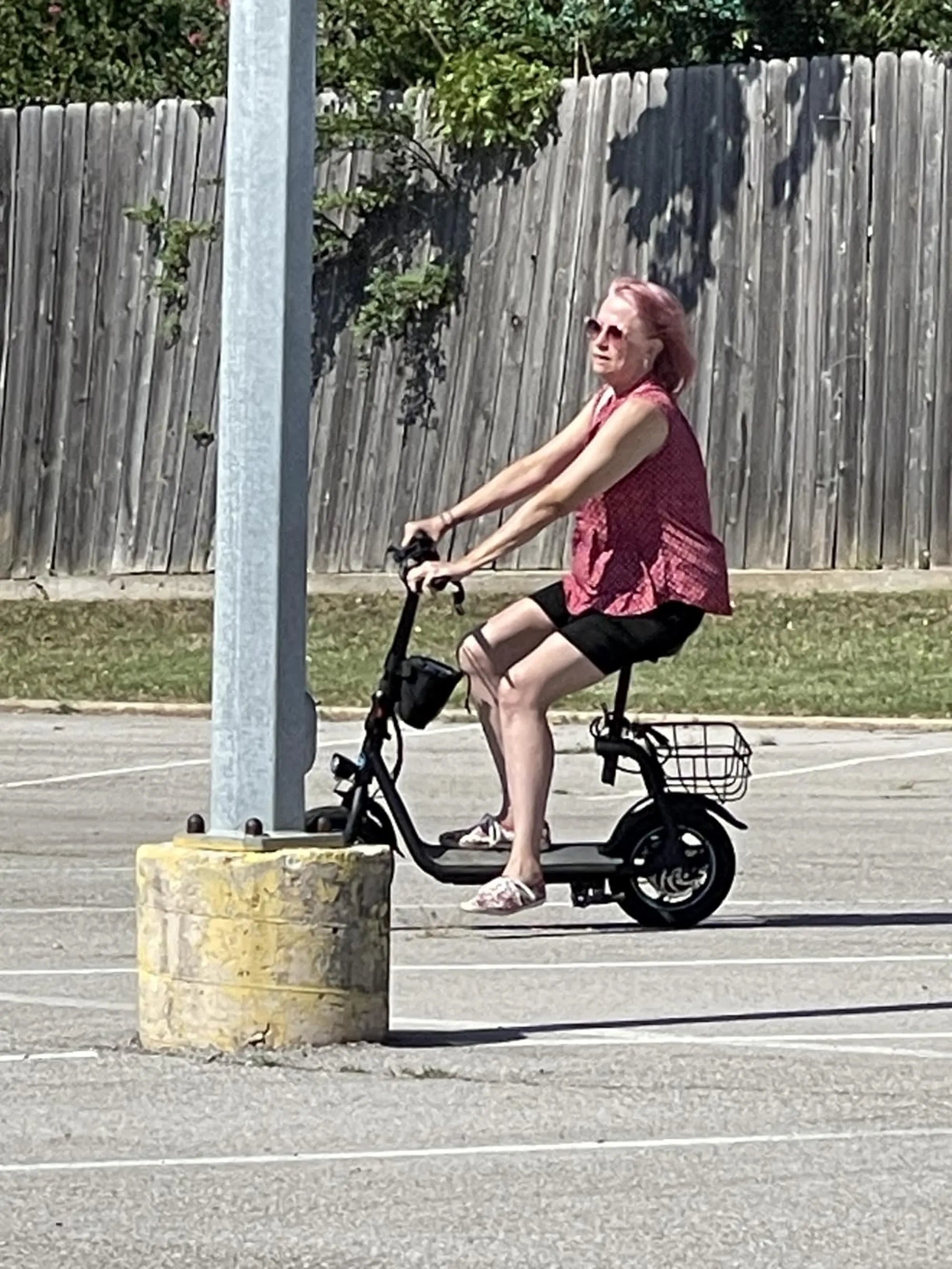
Introduction: Navigating the World of Affordable Electric Scooters
Finding the best cheap electric scooters for 2024 isn't about hunting for the absolute lowest price tag. It's about identifying exceptional value where affordability meets dependable performance. In the electric scooter market, 'cheap' should translate to smart engineering that prioritizes safety and longevity without unnecessary frills.
This guide is designed to help you cut through the marketing noise. We focus on the core features that matter for daily commuting and recreational riding. Brands that build to a price often cut corners in critical areas, leading to premature failure or safety concerns.
We'll reference Gyroor, a leading electric scooter and e-bike brand trusted by over 100,000 riders, as a benchmark for how value-focused brands operate. Their commitment to UL-certified batteries and IPX5 water-resistant designs within affordable price points proves that safety need not be a luxury.
Your goal is to find an affordable ride that fits your budget and use case reliably. Let's define what that truly means in today's market.
What Makes a "Cheap" Scooter a Good Value? Key Features to Prioritize
Value in the budget scooter segment is defined by a clear hierarchy of features. Some elements are non-negotiable for safety and basic functionality, while others are acceptable areas for compromise based on your needs. Understanding this distinction is the key to a satisfying purchase.
The most critical components are the battery system, braking performance, and overall build integrity. Compromising here to save money can lead to significant risks, including fire hazards or mechanical failure. These are the foundations of any reputable scooter, cheap or not.
Conversely, budget models often save costs on motor power, maximum range, suspension sophistication, and display features. For many urban commuters, these trade-offs are perfectly reasonable if the core safety architecture is solid.
A good value scooter delivers reliable, safe transportation for a specific use case. It doesn't promise premium performance but ensures consistent operation where it counts.
Safety First: The Non-Negotiables (Battery, Brakes, Build)
The battery is the heart and most critical safety component. Always insist on a UL-certified battery pack. This independent certification tests for electrical, mechanical, and fire safety, drastically reducing risk. Gyroor, for instance, uses UL-certified batteries tested for 500+ charge cycles across its entire lineup.
Braking is your primary safety system. A dual braking system—typically a disc or drum brake combined with an electronic regenerative brake—is essential. This provides redundancy; if one system fails, the other can still bring you to a controlled stop. Single-brake scooters are a significant safety compromise.
Build quality refers to the frame's sturdiness and assembly. The scooter should feel solid, with no wobble in the stem or handlebars when unfolded. Check the folding mechanism's security. A poorly built frame can lead to catastrophic failure at speed, making it a non-negotiable aspect of value.
Where Budget Scooters Can (and Do) Compromise
Motor power is a common area for savings. Budget scooters typically feature 300W to 500W nominal motors, sufficient for flat urban terrain and moderate hills. They won't climb steep grades quickly, but they provide adequate acceleration for most city commutes.
Advertised range is often optimistic. A budget scooter claiming 20 miles will typically achieve 12-15 miles in real-world conditions with stops, starts, and rider weight. This is acceptable for short to medium commutes with regular charging.
Suspension and tires are simplified. Many use smaller, solid tires or basic spring suspension rather than full pneumatic tires and advanced hydraulic systems. This results in a firmer ride but reduces maintenance like fixing flats.
Features like advanced digital displays, mobile app integration, or customizable riding modes may be basic or absent. These are conveniences, not core to the safe operation of the vehicle, and are reasonable exclusions in the budget segment.
The Gyroor Value Proposition: Affordable Doesn't Mean Compromised
Gyroor demonstrates that a strategic approach to engineering can deliver premium safety and durability at an accessible price point. By focusing investment on critical systems and leveraging scale, they offer a compelling alternative to unbranded or purely cost-cut models.
Their philosophy centers on building trust through verified safety and clear support. With over 100,000 riders and a 4.5/5 average rating, their model proves that consumers prioritize reliability even when shopping on a budget.
The value is not just in the initial purchase but in the total cost of ownership. A slightly higher upfront cost for a scooter with a proper warranty and water resistance can save hundreds in repairs or replacement within a year.
This approach redefines 'cheap' from 'low quality' to 'high value,' focusing on long-term satisfaction over short-term savings.
UL-Certified Battery Packs: Peace of Mind Has No Price Tag
Battery-related incidents are a leading cause of concern for electric micromobility. A UL-certified battery is not an optional upgrade; it's a fundamental requirement for safe operation. This certification involves rigorous stress testing beyond standard manufacturer checks.
Gyroor integrates these certified packs across all models, including their most affordable ones. This ensures that even their entry-level scooters benefit from the same safety engineering as higher-end products. The 500+ charge cycle rating also speaks to long-term battery health and value retention.
For the consumer, this means you can charge your scooter overnight or at the office without undue worry. It's an investment in risk mitigation that is absolutely critical and a primary differentiator for value-focused brands.
Built to Last: IPX5 Water Resistance & Warranty Assurance
Daily commuting exposes a scooter to puddles, light rain, and road spray. An IPX5 water resistance rating means the scooter can withstand water jets from any direction, making it viable for real-world weather conditions. This protection extends the life of electronics and the motor.
Without this rating, even a damp road can cause corrosion or short circuits, leading to expensive failures. Gyroor's IPX5 design is a key feature that adds durability without a premium price tag, ensuring the scooter is a practical daily tool.
Complementing this is a reliable 1-year comprehensive warranty. This warranty covers defects in materials and workmanship, providing a safety net for your purchase. It signals the brand's confidence in its product and offers a clear recourse should an issue arise, a rarity among ultra-low-cost sellers.
Top Contenders: Affordable E-Scooter Categories for 2024
The 'affordable' market is best understood by use case, not just price. Different riders have different core needs, and the best value scooter for one person may be wrong for another. We've segmented the market into three logical categories based on primary usage patterns.
Each category represents a balance of performance, portability, and price. The following table provides a high-level comparison of these segments to guide your initial decision.
| Category | Ideal Use Case | Typical Price Range | Key Priorities | Common Trade-offs |
|---|---|---|---|---|
| First-Time & Ultra-Short Commute | < 3 miles, last-mile, campus | $300 - $500 | Portability, simplicity, safety basics | Lower speed, basic suspension, shorter range |
| Daily Commuter Sweet Spot | 5-15 mile round trips, urban streets | $500 - $800 | Reliable range, good speed, durability | Moderate weight, simpler displays |
| Budget-Friendly Power & Range | Longer commutes, mild hills, varied terrain | $800 - $1,200 | Hill climb, extended range, better ride | Heavier frame, less portability |
Understanding where you fit in this landscape is the first step to narrowing your search effectively and finding the best cheap electric scooter for your life.
Best for First-Time Riders & Ultra-Short Commutes (< 3 Miles)
This category is for riders covering very short distances, such as from a train station to an office or across a college campus. The primary goals are ease of use, light weight for carrying, and fundamental safety. Speed and long range are secondary.
Scooters here are often under 30 lbs, with simple folding mechanisms. They prioritize a low learning curve. A Gyroor entry-level model in this category, for example, would still include the UL-certified battery and dual brakes, ensuring safety isn't sacrificed for a low price.
Expect motors around 250W-350W, real-world ranges of 8-12 miles, and top speeds capped at around 15 mph. These specs are perfectly adequate for short, slow-speed trips where the scooter is frequently carried or stored.
The value here is in getting a reliable, safe tool for a specific, limited job. It's an introduction to micromobility without a major financial commitment, but still from a brand that respects basic safety standards.
The Commuter Sweet Spot: Maximum Value for Daily Trips (5-15 Miles)
This is the most competitive and popular segment for adults. It serves riders who rely on their scooter for a full one-way commute or substantial daily errands. The scooter must be dependable, weather-resistant, and comfortable enough for daily use.
Key specs include a real-world range of 15-20 miles, a top speed of 18-22 mph, and a weight of 35-45 lbs. This balances performance with reasonable portability. Features like IPX5 water resistance (as found on Gyroor commuter models) become critical for all-weather readiness.
The motor is typically 350W-500W, providing enough torque for most urban inclines. Suspension often appears here in the form of front spring shocks or dual rubberized suspensions to absorb pavement cracks and improve comfort on longer rides.
This category represents the best overall value for most people. You get a capable, durable machine that can genuinely replace short car trips, backed by warranties and support that protect your investment.
Budget-Friendly Power & Range: When You Need a Bit More
For riders with longer commutes, steeper hills, or a desire for more stability, this segment stretches the definition of 'affordable' while still offering significant value compared to premium brands. Performance approaches that of mid-tier models.
These scooters may feature dual motor setups (e.g., 500W x2) for improved hill climb, batteries offering 25+ miles of real-world range, and enhanced suspension systems with pneumatic tires. The trade-off is increased weight, often 50+ lbs, reducing portability.
Even at this performance level, value brands like Gyroor maintain their core safety principles. The higher-capacity batteries remain UL-certified, and the frames are engineered for the increased stress of higher speeds and power output.
This is for the rider who views their scooter as a primary vehicle for a longer daily journey. The higher price is justified by extended capability, but it remains a value play compared to the four-figure alternatives with similar specs.
Smart Shopping: How to Avoid Costly Mistakes When Buying Cheap
Navigating listings for the best cheap electric scooters requires a skeptical eye and a focus on verifiable information. Marketing claims are often optimized for search algorithms, not consumer education. Your job is to translate specs into real-world expectations.
Start by researching the brand's reputation beyond its own website. Look for user reviews on independent platforms and note how the company responds to complaints. A history of unresolved battery or brake issues is a major red flag.
Always calculate the total cost. A scooter priced $100 less but with a 90-day warranty and no water resistance will likely cost you more within a year if it fails or gets damaged by a rain shower. Invest in longevity from the start.
Use the following checklists to decode product listings and assess long-term value, ensuring your bargain doesn't become a money pit.
Decoding the Spec Sheet: Real-World vs. Advertised Numbers
Range: The most inflated spec. Apply a 0.6 to 0.7 multiplier to the advertised 'max' range for a realistic estimate. A scooter claiming 30 miles will likely achieve 18-21 miles with a typical rider on varied terrain.
Motor Power: Distinguish between 'nominal' and 'peak' power. A 500W peak motor may only sustain 350W nominally, which is its true continuous output. Nominal power is a better indicator of hill-climbing ability and sustained speed.
Weight Limit: Do not exceed the manufacturer's stated maximum load. Consistently riding at or above this limit stresses the frame, motor, and battery, leading to premature failure and voiding the warranty. Choose a scooter rated for at least 20-30 lbs above your weight.
Charge Time: A 4-6 hour full charge time is standard. Extremely fast charge claims (under 2 hours) can stress and degrade batteries more quickly unless specifically engineered for it, which is uncommon in budget models.
The Hidden Costs of a "Bargain": Warranty, Support, and Repairs
The shortest and most restrictive component of a cheap scooter is often its warranty. A 90-day or 'limited' warranty offers little protection. A comprehensive 1-year warranty like Gyroor's is a strong indicator of quality and reduces your long-term financial risk.
Customer support accessibility is crucial. Does the brand have a US-based support team or a network of service centers? If you can only contact them via email to a foreign address with a 48-hour response time, resolving an issue becomes a major ordeal.
Parts availability is another hidden cost. If a brake caliper or throttle fails, can you easily purchase a replacement part? Brands with an established presence typically have parts for sale, while obscure brands may leave you with a completely non-functional scooter after a minor breakage.
Factor these into your purchase decision. Paying slightly more for a scooter from a brand with a proven support system is almost always cheaper in the long run than buying the absolute lowest-priced option.
<Frequently Asked Questions (FAQ)
When searching for the best cheap electric scooters, several common questions arise. These answers are based on industry data, safety standards, and realistic performance expectations to guide your purchase.
Are cheap electric scooters safe to ride?
They can be safe, but you must be highly selective. Safety is directly tied to specific, non-negotiable features: a UL-certified (or equivalent) battery pack, a reliable dual braking system, and a sturdy frame construction. Avoid any scooter that lacks these, regardless of price. Brands like Gyroor build these fundamentals into their affordable models, making them a safer choice in the budget category.
How long do budget electric scooters typically last?
With proper care and maintenance, a quality budget scooter from a reputable brand can provide reliable service for 2-3 years of regular commuting. Lifespan is heavily influenced by battery care (avoiding full discharges, not charging in extreme temperatures), tire wear, and general upkeep. The build quality and warranty length are the best initial indicators of potential longevity.
Can I use a cheap e-scooter in the rain?
Only if it has a declared water resistance rating of IPX4 or higher. IPX4 means it can handle water splashes from any direction, suitable for light rain. Gyroor's IPX5 rating offers even better protection against water jets. Never ride a scooter with no IP rating or a rating below IPX4 in wet conditions, as water ingress can cause immediate electrical failure and long-term corrosion.
What is the most important feature to look for in a budget scooter?
Without question, a certified safe battery system (UL, CE, RoHS) is the single most important feature. It is the component most associated with serious hazards. Second is the braking system—dual brakes are essential. Third is a clear and responsive customer support structure with a warranty of at least one year. These three features form the safety and value triangle for affordable scooters.
Is it worth buying a used cheap electric scooter?
Buying used can be risky, especially for budget models. You have no warranty, and battery health is difficult to assess. The battery may be near the end of its life, costing hundreds to replace. If you consider used, only buy from a trusted source, insist on testing it fully, and prioritize models from known brands where you can still purchase parts. Often, a new scooter from a value brand is a smarter, safer investment.
Conclusion: Investing in Value, Not Just a Low Price
The search for the best cheap electric scooters in 2024 culminates in a simple principle: prioritize value over vanity metrics. The true cost of a scooter isn't its sticker price but the total expense of ownership, including repairs, replacements, and safety risks. A scooter that fails in six months is infinitely more expensive than one that runs reliably for years.
Affordability should never require a compromise on core safety. As demonstrated by brands like Gyroor, it is possible to integrate UL-certified batteries, water-resistant designs, and robust warranties into scooters at accessible price points. This is the new standard for what 'cheap' should mean—thoughtfully engineered, not just cheaply made.
Your ideal scooter is the one that matches your daily distance, terrain, and storage needs while being built on a foundation of verified safety and supported by a company that stands behind its product. That is a smart purchase that pays dividends in reliability and peace of mind every time you ride.
Ready to explore a range of electric scooters that define value through safety and durability? Browse the full Gyroor collection at gyroorboard.com to find an affordable ride engineered for the real world, backed by a brand trusted by over 100,000 riders.
20 mph Electric Scooters Price: A Comprehensive Buyer's Guide
Do Electric Scooters Have GPS Tracking? Exploring the Technology Behind It