



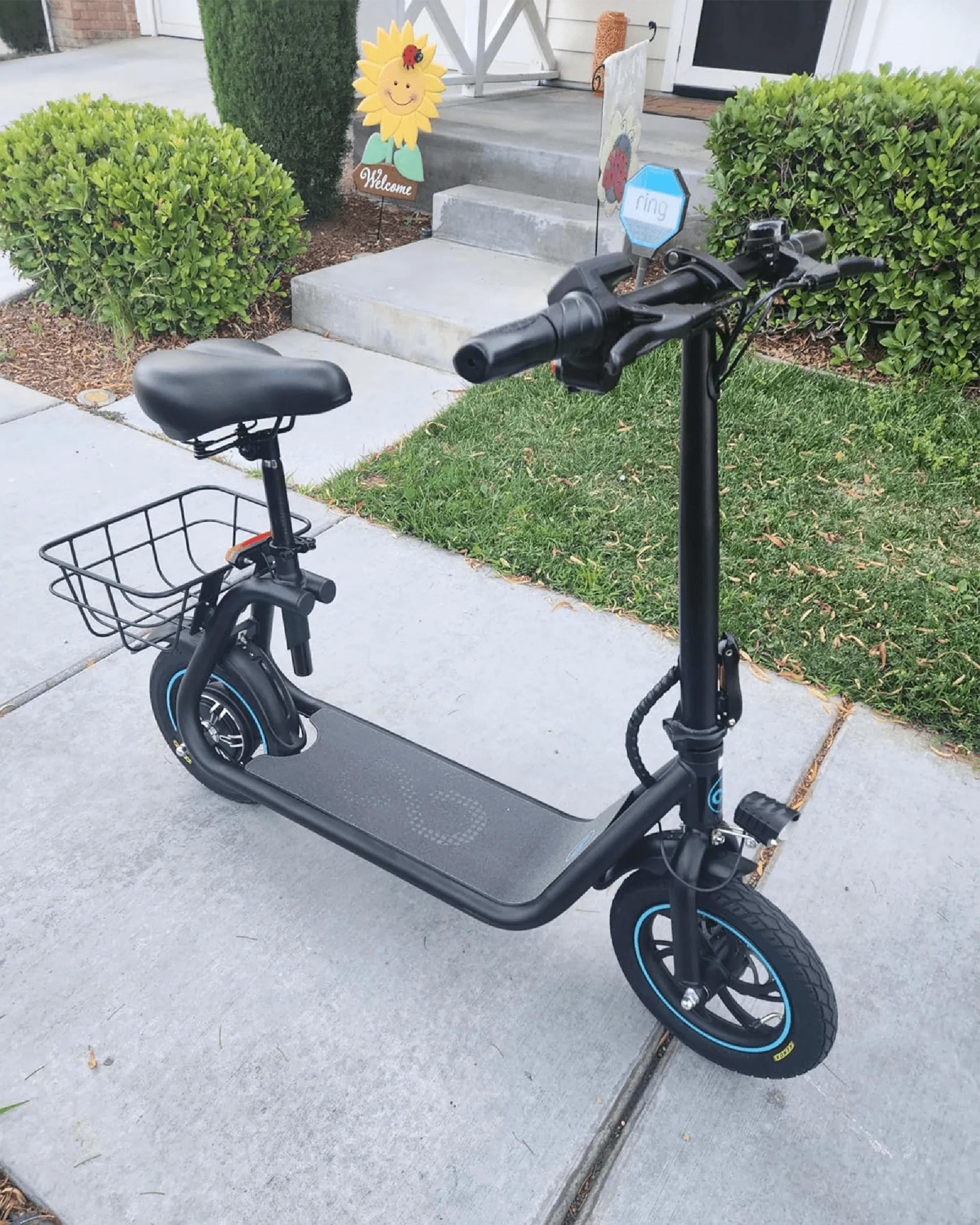
Electric scooters have taken urban transportation by storm, offering a convenient and eco-friendly way to navigate crowded cities. But one question often pops up: do electric scooters have GPS tracking? The answer isn't just a simple yes or no—it's a fascinating dive into modern mobility technology. Whether you're a rider, a fleet operator, or just curious, understanding GPS tracking in electric scooters can shed light on safety, theft prevention, and even urban planning. Let's explore this in detail.
How GPS Tracking Works in Electric Scooters
GPS (Global Positioning System) tracking in electric scooters relies on satellite signals to pinpoint the scooter's location in real time. Most modern electric scooters designed for shared fleets come with built-in GPS modules. These modules communicate with satellites to provide accurate location data, which is then transmitted to a central server via cellular or Bluetooth connectivity.
For personal electric scooters, GPS tracking is less common unless the owner installs an aftermarket device. These third-party trackers often require a subscription service but offer features like geofencing, speed alerts, and theft recovery.
Why GPS Tracking Matters
GPS tracking isn't just about knowing where your scooter is—it's a game-changer for multiple reasons:
- Theft Prevention: Stolen scooters can be easily located and recovered using GPS data.
- Fleet Management: Companies use GPS to monitor scooter distribution, battery levels, and maintenance needs.
- Rider Safety: In emergencies, GPS can help authorities locate riders quickly.
- Urban Planning: Cities analyze GPS data to optimize scooter parking zones and reduce clutter.
Limitations of GPS Tracking in Electric Scooters
While GPS tracking offers many benefits, it's not without its challenges:
- Battery Drain: Continuous GPS use can reduce the scooter's battery life.
- Signal Issues: GPS may struggle in underground parking or dense urban areas.
- Privacy Concerns: Some riders worry about their location data being tracked and stored.
Alternatives to GPS Tracking
For scooters without built-in GPS, alternatives include:
- Bluetooth Trackers: These are cheaper but have a limited range.
- RFID Tags: Useful for fleet management but lack real-time tracking.
- Wi-Fi Positioning: Works indoors but is less accurate than GPS.
The Future of GPS in Electric Scooters
As technology evolves, GPS tracking in electric scooters will likely become more advanced. Expect improvements in battery efficiency, real-time analytics, and integration with smart city infrastructure. Some scooters may even incorporate AI to predict rider behavior and optimize routes.
So, do electric scooters have GPS tracking? The answer depends on the model and purpose. Shared scooters almost always do, while personal ones may require add-ons. Either way, GPS tracking is transforming how we ride, share, and manage electric scooters—making them smarter, safer, and more efficient than ever.
Best Cheap Electric Scooters 2024: Affordable Rides for Every Budget
Historical Trends of Electric Scooters Market: From Niche to Mainstream