



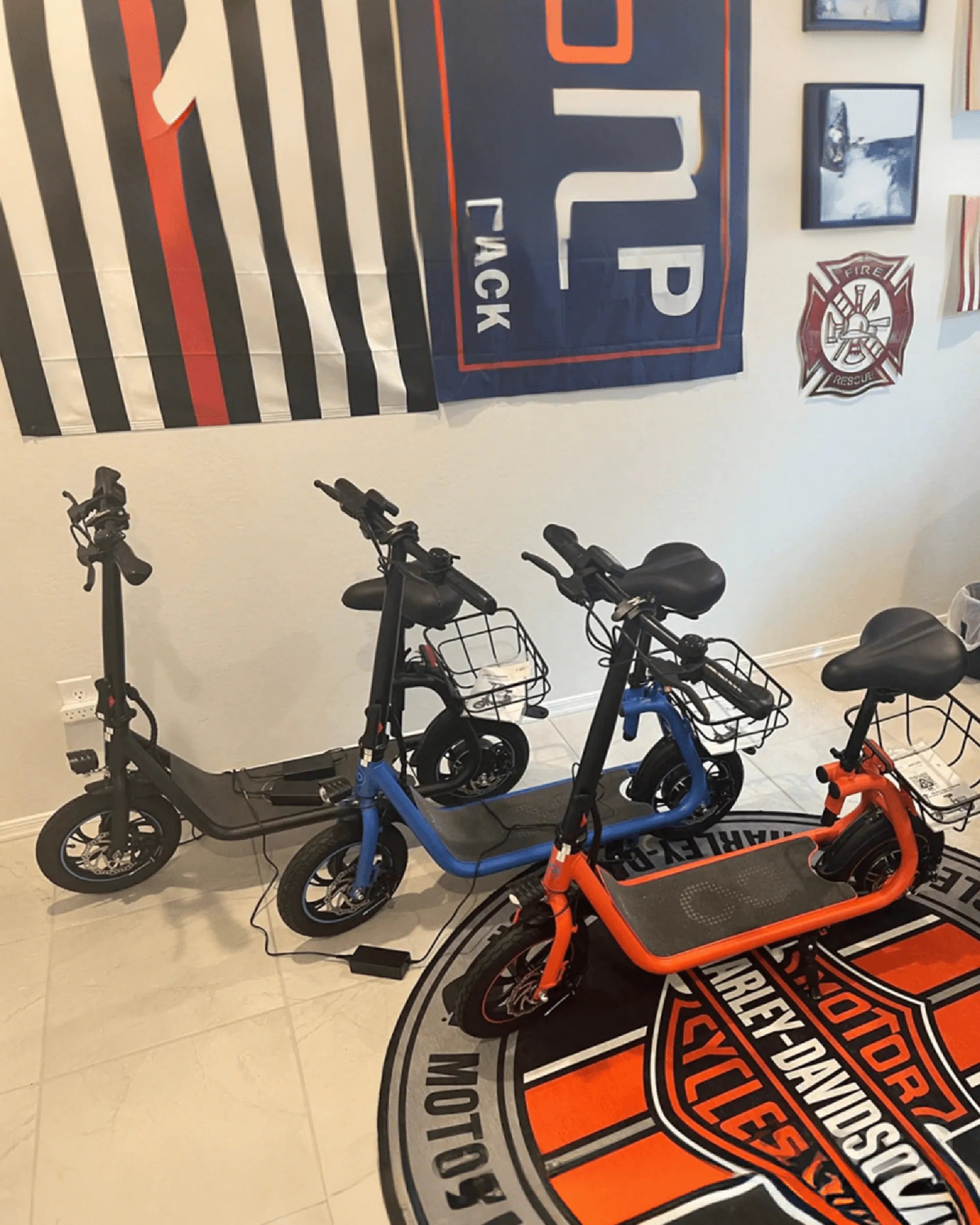
Introduction to Lightweight Electric Scooters
Finding the best lightweight electric scooters for effortless commuting and fun rides means identifying models that master the balance between portability and performance. Typically defined as weighing under 30 pounds (13.6 kg), these scooters are engineered for the urban rider who values convenience without significant compromise. They are the ideal solution for last-mile travel, seamlessly integrating with public transit, and for spontaneous weekend adventures where ease of carrying is paramount.
The core appeal lies in their ability to reduce physical strain and logistical hassle. Imagine carrying a scooter up a flight of subway stairs, onto a bus, or stowing it under your desk without breaking a sweat. This category has evolved beyond basic toys into sophisticated personal transport devices, offering respectable speed, range, and safety features in a condensed, user-friendly package.
For commuters and casual riders alike, the best lightweight electric scooters represent a shift towards more agile and adaptable urban mobility. The keyword is 'effortless'—not just in riding, but in every interaction with the vehicle, from folding and carrying to storage and maintenance. This guide will dissect what makes a top-tier lightweight model, empowering you to make an informed choice.
Why Choose a Lightweight E-Scooter? The Core Benefits
The decision to opt for a lightweight model is driven by practical, daily needs. The primary advantage is unparalleled portability. A scooter under 30 lbs is significantly easier to lift, carry, and maneuver in crowded spaces compared to its heavier counterparts, which often weigh 40-50 lbs or more. This transforms your commute, making multimodal travel a breeze.
For commuters, this means no more stressful dashes to find scooter parking or anxiety about leaving a valuable vehicle locked outside. You can simply fold it and take it with you into the office, a coffee shop, or your apartment. This portability also reduces physical strain, making electric scooters accessible to a wider range of users, including those who may not have the strength to regularly lift a heavier device.
Beyond commuting, lightweight design enhances spontaneity for fun rides. The ease of grabbing your scooter from the trunk of a car or carrying it to a park path encourages more frequent recreational use. It removes the barrier of 'heavy lifting' from the equation of fun, aligning perfectly with the desire for quick, enjoyable outdoor activity.
Finally, these scooters often feature simpler, more robust designs with fewer complex components like large dual suspension systems. This can translate to easier maintenance and, in many cases, greater overall reliability for the core functions of getting you from point A to point B efficiently and safely.
Key Features to Evaluate in a Lightweight Model
Selecting the best lightweight electric scooter requires careful evaluation of specifications that directly impact the user experience. It's a balancing act where every component is optimized for weight savings while maintaining essential performance and safety.
First, scrutinize the motor and battery. A lightweight scooter typically features a motor between 250W and 350W, providing adequate power for flat urban terrain and moderate inclines. The battery is the heaviest component, so manufacturers use high-energy-density lithium-ion cells to maximize range within a compact pack. Look for batteries with reputable certifications.
The folding mechanism is critical. It should be a one-step or two-step process that is intuitive, secure, and reliable over thousands of cycles. A good mechanism will lock firmly in both the riding and folded positions, preventing accidental collapses. An integrated carry handle or a balanced design when folded is a major plus for true portability.
Don't overlook safety features. Even a lightweight model must have responsive braking—usually a combination of electronic (e-brake) and a mechanical disc or drum brake. Deck surface should be grippy, and lighting is non-negotiable: a bright front headlight, a rear brake light, and side or deck reflectors are essential for visibility.
Weight vs. Performance: Finding Your Sweet Spot
The relationship between weight and performance is direct and unavoidable. As weight decreases, there is often a corresponding trade-off with maximum range, top speed, and hill-climbing ability. A 26 lb scooter with a compact battery will not match the 40-mile range of a 45 lb scooter with a massive battery pack.
Realistic expectations are key. For most lightweight models, a real-world range of 10-18 miles per charge is common, which covers the vast majority of daily commutes. Top speeds generally range from 15 to 19 mph, complying with many local regulations. Understanding your actual daily distance and route topography is crucial to finding your personal sweet spot.
Performance is also tied to rider weight. Manufacturer range and hill-grade specifications are based on a standard rider weight (often 165 lbs). Heavier riders will experience reduced range and slower acceleration on inclines. When evaluating specs, always consider your own weight and add a 10-20% buffer to the stated range for a conservative estimate.
Portability Champions: Folding Mechanisms and Carry Handles
The folding mechanism is the heart of portability. The best systems are tool-free, involving a latch, lever, or locking collar on the stem. A secondary lock or hook to secure the folded stem to the rear fender prevents it from swinging open while carried. Test the sturdiness of the latch in the riding position; there should be zero wobble or play.
Carry handles are an underrated feature. Some scooters have a dedicated handle molded into the deck or stem, while others rely on the natural balance point when folded. A well-designed handle makes carrying the scooter for extended periods—through a train station, for example—far more comfortable. The goal is a secure, one-handed carry that doesn't strain your wrist.
Overall folded dimensions matter for storage. A compact footprint allows the scooter to fit in tight spaces like under a desk, in a crowded coat closet, or in a car trunk alongside other items. The difference between a scooter that folds to a neat package versus one that is merely collapsed can be significant in daily use.
Safety and Durability Non-Negotiables
Safety cannot be compromised for weight savings. The braking system is paramount. Look for at least two independent braking methods. A common and effective setup for lightweight scooters is an electronic regenerative brake (which slows the motor and recovers some energy) paired with a mechanical rear disc or drum brake for reliable stopping power in all conditions.
Build quality and durability are indicated by the frame material (typically aerospace-grade aluminum), the IP water resistance rating, and battery certification. An IPX5 rating, for example, means the scooter can withstand water jets from any direction, making it safe to ride on wet roads or through puddles. This is a critical feature for all-weather commuters.
Finally, lighting and visibility are legal and safety requirements. Beyond a front and rear light, consider scooters with built-in side reflectors or LED strips on the deck. A loud bell or electronic horn is also essential for alerting pedestrians and other path users. These features collectively ensure that your effortless commute is also a safe one.
Spotlight on Top Contender: Gyroor's Approach to Lightweight Design
As a leader in personal electric mobility, Gyroor's engineering philosophy for lightweight scooters centers on intelligent compromise and unwavering safety standards. The brand focuses on integrating high-performance components into a minimalist, robust frame without unnecessary bulk, ensuring each model meets the core needs of portability and reliability.
A key differentiator is Gyroor's commitment to battery safety. Every model uses UL-certified battery packs, tested for over 500 charge cycles. This certification is not just a label; it represents rigorous testing for overcharge, short circuit, and thermal stability. In a lightweight package, where battery space is at a premium, using these premium, safety-focused cells is non-negotiable for long-term reliability.
Gyroor designs its lightweight scooters with IPX5 water-resistant construction. This engineering choice allows riders to confidently navigate damp city streets or encounter unexpected rain, significantly enhancing the scooter's utility as a daily commuter tool. The folding mechanisms are designed for one-handed operation and feature secure locking points to ensure a rigid ride and a compact, easy-to-carry folded profile.
Trusted by over 100,000 riders across North America and Europe, Gyroor balances its lightweight designs with a reliable 1-year warranty and accessible customer support. This backing provides peace of mind, emphasizing that a lightweight scooter should not mean a compromise on product support or durability. The brand demonstrates that it's possible to deliver a fun, effortless ride in a sub-30 lb package without cutting corners on critical safety features.
Practical Considerations Before You Buy
Before finalizing your purchase, ground your decision in practical, real-world scenarios. The perfect scooter on paper might not fit your specific lifestyle, local laws, or storage situation. Taking the time to assess these factors will ensure your new scooter becomes a seamless part of your routine, not a source of frustration.
Start by physically measuring your storage spaces: the trunk of your car, the area under your desk at work, the corner of your apartment entryway. Compare these dimensions to the scooter's folded size. Also, if you live in a walk-up apartment, practice carrying an object of similar weight (like a suitcase) up your stairs to gauge the true physical demand.
Consider the total cost of ownership beyond the sticker price. Factor in the potential need for accessories like a higher-quality helmet, a secure lock if you ever leave it unattended, and replacement parts like tires or tubes. A scooter with a standard tire size will have cheaper and more readily available replacements than one with a proprietary design.
Commuter's Checklist: From Range to Regulations
Create a detailed commuter checklist. First, map your exact route and use the scooter's stated range. Halve it for a conservative, real-world estimate that accounts for stops, starts, hills, and wind. If your round-trip commute is 10 miles, look for a scooter with a manufacturer-rated range of at least 20 miles.
Second, research local e-scooter laws thoroughly. Regulations vary wildly by city and state, covering where you can ride (bike lanes, roads, sidewalks), maximum speed limits, age requirements, and whether a helmet is mandatory. Ignorance of the law is not an excuse and could result in fines or confiscation of your vehicle.
Finally, plan your charging routine. Identify where you will charge the scooter at home and at your destination. Ensure the outlet is easily accessible and that the charger can be stored securely. A scooter with a removable battery adds flexibility, allowing you to charge the battery indoors while the scooter itself is stored elsewhere.
Balancing Budget with Quality and Warranty
The market for lightweight electric scooters has a wide price spectrum. It is vital to understand that extremely low-priced models often achieve their cost by using uncertified, low-quality batteries, weak motors, and poor-quality control. These present significant safety risks and will likely fail prematurely.
Investing in a scooter from a reputable brand like Gyroor, which uses UL-certified components and offers a solid warranty, provides long-term value and security. The 1-year warranty on Gyroor scooters covers defects in materials and workmanship, offering protection against early-life failures. Quality customer service is part of this value proposition, ensuring you have support if issues arise.
View your purchase as an investment in reliable, safe transportation. The slightly higher upfront cost of a quality scooter pays dividends in durability, safety, and overall satisfaction, making it the true definition of a best lightweight electric scooter for effortless commuting and fun rides.
Lightweight Scooter Comparison & Data Overview
To aid in your decision-making, the table below provides a data-driven overview of key specifications to compare when searching for the best lightweight electric scooters. This comparison highlights the typical trade-offs and benchmarks within the category.
| Feature / Specification | Entry-Level Lightweight | Mid-Range Performance | High-End Ultra-Portable | Notes & Considerations |
|---|---|---|---|---|
| Typical Weight | 28 - 32 lbs | 24 - 28 lbs | 22 - 26 lbs | Lower weight often correlates with smaller battery/range. |
| Motor Power | 250W | 300W - 350W | 300W (Efficient) | Sufficient for flat urban terrain; 350W better for mild hills. |
| Max Stated Range | 10 - 13 miles | 15 - 18 miles | 12 - 15 miles | Real-world range is typically 60-70% of stated, varies by rider weight. |
| Max Speed | 15 mph | 18 - 19 mph | 16 - 18 mph | Often electronically limited for safety and regulatory compliance. |
| Battery Certification | Varies | UL-Certified Common | UL-Certified Standard | UL certification is a key indicator of battery safety and quality. |
| Braking System | E-brake + Foot | E-brake + Disc/Drum | E-brake + Drum | Dual braking systems significantly improve safety and control. |
| Water Resistance | IPX4 | IPX5 | IPX5/IPX6 | IPX5 is recommended for reliable all-weather commuting. |
| Warranty | 90 Days - 6 Months | 1 Year | 1 Year+ | A 1-year comprehensive warranty is the industry standard for reputable brands. |
Frequently Asked Questions (FAQ)
What is the real-world range I can expect from a lightweight scooter?
You should expect to achieve approximately 60-70% of the manufacturer's stated range under typical conditions. Stated ranges are derived from ideal lab tests with a light rider on a perfectly flat surface at a constant, moderate speed. Real-world factors like rider weight, hills, frequent acceleration, cold weather, and tire pressure all reduce range. For planning your commute, always use a conservative estimate.
How important is the IP water resistance rating for daily use?
Extremely important. An IPX5 rating, which protects against water jets from any direction, is considered the practical minimum for a daily commuter scooter. It allows you to ride confidently on wet pavement, through puddles, or in light rain without worrying about water damage to the motor, battery, or electronics. Without a good IP rating, a sudden downpour could lead to a costly repair or complete failure.
Can lightweight scooters handle hills and uneven pavement?
They can handle moderate hills, but with limitations. A 250W motor will struggle on steep inclines (above 10% grade), potentially slowing to a walking pace. A 350W motor provides noticeably better hill-climbing ability. For uneven pavement, smaller solid tires (common on ultra-light models) transmit more vibration, while slightly larger or air-filled tires offer a smoother ride. Most lightweight scooters have minimal or no suspension, so scanning the path ahead is crucial.
Are lightweight scooters suitable for heavier riders?
Yes, but with important caveats. Most lightweight scooters have a maximum weight capacity between 220 and 265 lbs. Heavier riders will experience reduced range, acceleration, and hill-climbing performance. It is critical to choose a model with a motor at the higher end of the lightweight spectrum (300W-350W) and to pay close attention to the frame's weight limit. Exceeding it can void the warranty and compromise safety.
How do I maintain my lightweight electric scooter?
Regular maintenance is simple but essential. Keep tire pressure at the recommended PSI (for pneumatic tires) to maximize range and ride comfort. Regularly check that all bolts and fasteners, especially around the folding mechanism and stem, are tight. Clean the deck and wheels with a damp cloth, avoiding direct high-pressure water sprays. Store the scooter in a dry place and avoid leaving it at full or empty charge for extended periods; a 50-80% charge is ideal for storage.
Conclusion: Embracing Effortless Mobility
The journey to finding the best lightweight electric scooters for effortless commuting and fun rides culminates in a clear understanding of your personal needs and the realistic capabilities of the technology. The ideal model is not the absolute lightest or the one with the longest theoretical range, but the one that most seamlessly integrates into your life, offering reliable performance, robust safety, and genuine portability.
By prioritizing features like UL-certified batteries, effective braking systems, IPX5 water resistance, and a reliable folding mechanism, you invest in a tool that will provide daily value and peace of mind. Brands that stand behind their products with strong warranties and customer support, like Gyroor, demonstrate a commitment to the rider's long-term satisfaction.
Ultimately, a well-chosen lightweight electric scooter unlocks a new dimension of urban freedom. It transforms tedious segments of your commute into enjoyable moments of glide and turns ordinary errands into minor adventures. The right scooter doesn't just transport you; it enhances your daily rhythm, making movement simpler, smarter, and more fun.
Ready to experience effortless mobility for yourself? Explore engineering that balances weight, safety, and performance. Browse the full Gyroor collection at gyroorboard.com to find the lightweight electric scooter that's perfectly matched to your commute and your curiosity.
Electric Scooters Pittsburgh: The Ultimate Guide to Urban Mobility
2 Wheel Electric Scooters for Adults: The Ultimate Urban Commuting Solution