


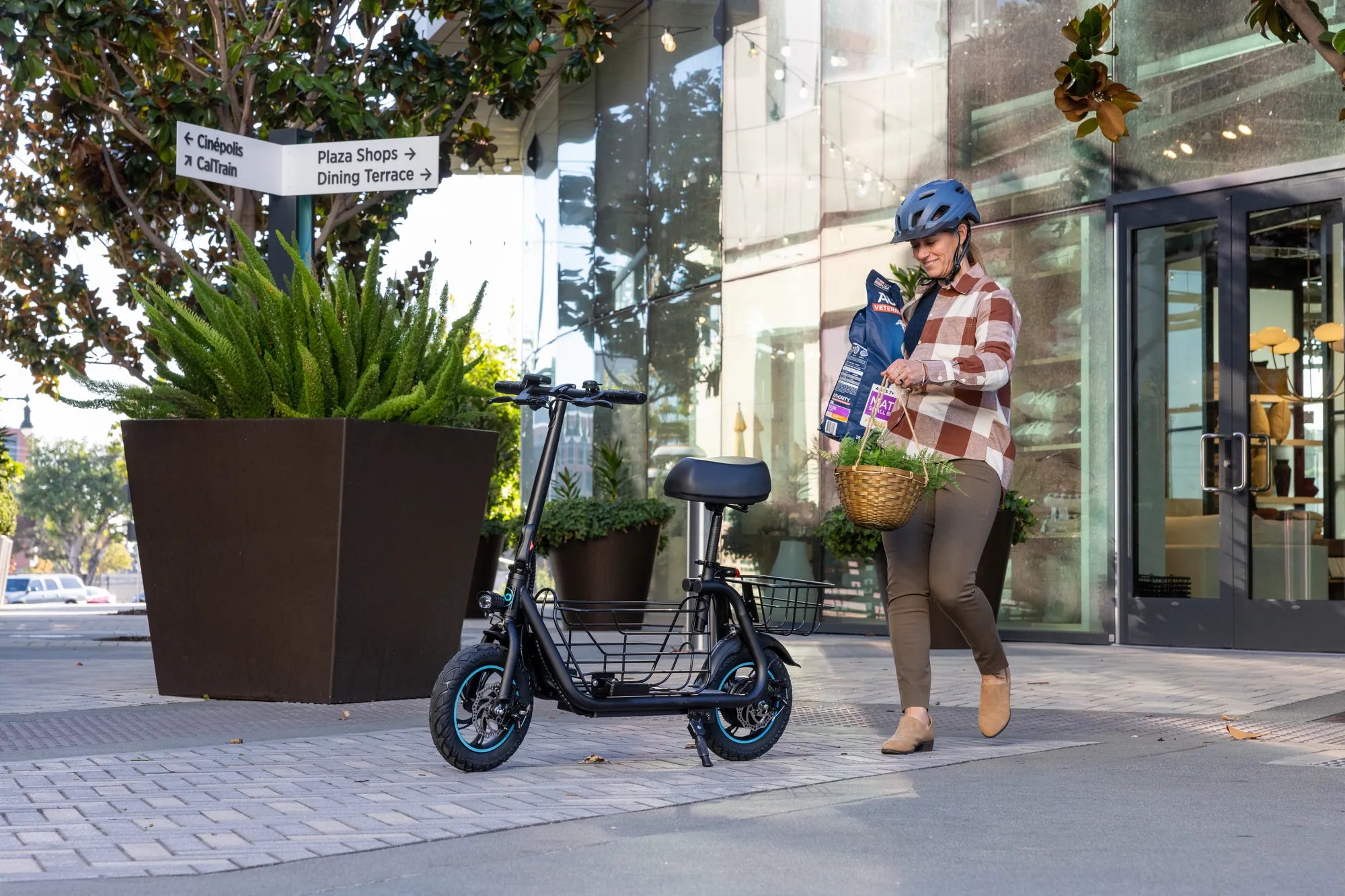
Navigating Pittsburgh's iconic hills, bridges, and distinct neighborhoods requires a smart, agile, and efficient transportation solution. Electric scooters have emerged as the perfect tool for this challenge, offering a practical way to bypass traffic, avoid expensive parking, and connect seamlessly with public transit. This ultimate guide provides everything you need to know about using electric scooters Pittsburgh residents can rely on for daily commutes and weekend adventures, blending local insights with technical expertise to ensure you choose and ride with confidence.
Introduction to Electric Scooters in Pittsburgh
Pittsburgh's urban landscape is defined by its three rivers, steep inclines, and a patchwork of dense neighborhoods. Traditional transportation often struggles with this topography, leading to congestion and accessibility gaps. Personal electric mobility devices, particularly e-scooters, fill these gaps elegantly.
They provide an on-demand, point-to-point solution that is both cost-effective and environmentally friendly. For students crossing the University of Pittsburgh's campus, professionals commuting from the South Side to Downtown, or residents exploring the Three Rivers Heritage Trail, an e-scooter offers unmatched flexibility.
The key to success in this environment is reliability. Brands like Gyroor, a leading electric scooter and e-bike brand trusted by over 100,000 riders across North America and Europe, engineer their products for such diverse conditions. With features like UL-certified batteries and IPX5 water-resistant designs, they are built to handle Pittsburgh's unpredictable weather and demanding streets, making the concept of electric scooters Pittsburgh a viable, year-round reality.
Why Pittsburgh is Perfect for E-Scooter Commuting
The city's layout and evolving infrastructure create an ideal use case for personal electric vehicles. The combination of short-to-medium distance trips between neighborhoods and ongoing investments in bike and pedestrian infrastructure makes e-scooters a logical choice for urban mobility.
Financially, the savings are substantial. The average monthly cost of owning and operating a car in Pittsburgh exceeds $800 when factoring in payments, insurance, fuel, and notoriously expensive downtown parking. An e-scooter, by contrast, has minimal operating costs—just electricity for charging, which amounts to pennies per ride.
E-scooters excel at solving the "first and last mile" problem with Pittsburgh's public transit. Riders can easily scoot from their home in Bloomfield to a bus stop or the East Busway, carry their compact scooter on board, and then complete the final leg to their office. This multimodal approach maximizes efficiency.
Furthermore, Pittsburgh's commitment to sustainability aligns perfectly with zero-emission electric transportation. Choosing an e-scooter over a car for short trips directly reduces carbon emissions and traffic congestion, contributing to cleaner air and quieter streets in the city's many residential areas.
Navigating Pittsburgh's Rules and Safety Landscape
Understanding local regulations is crucial for safe and legal riding. In Pennsylvania, electric scooters with a maximum speed of 25 mph are classified as "electric pedalcycles" and are generally subject to bicycle laws. However, Pittsburgh has specific ordinances riders must follow.
E-scooters are permitted on streets and on bicycle lanes and paths. Riding on sidewalks in business districts is typically prohibited. While Pennsylvania state law does not mandate helmet use for riders over 12, wearing a helmet is strongly recommended, especially on Pittsburgh's mixed-traffic streets. A bell or audible signal is required by law.
Safety gear extends beyond the helmet. For commuting, consider high-visibility clothing or reflective strips, especially for evening rides. Sturdy, closed-toe shoes are essential. Practicing defensive riding is key: assume cars may not see you, signal your intentions clearly, and be extra cautious at intersections and when navigating the city's many brick roads and streetcar tracks.
When sharing trails like the Eliza Furnace Trail ("The Jail Trail") or the Great Allegheny Passage access points, maintain a safe speed, alert pedestrians when passing, and yield appropriately. Responsible riding ensures continued access to these fantastic community assets and promotes the positive growth of electric scooters Pittsburgh culture.
Choosing the Right Electric Scooter for Pittsburgh's Terrain
Not all e-scooters are created equal, and Pittsburgh's hills demand specific performance characteristics. Selecting the wrong model can lead to a frustrating and potentially unsafe experience. Your primary considerations must be motor power, battery range, durability, and weather resistance.
Hill climbing is the most critical factor. A scooter's ability to ascend inclines is determined by motor wattage (continuous power) and torque. For Pittsburgh's many moderate to steep hills, a minimum of a 500W continuous motor is recommended. Models with 800W or higher, like those in Gyroor's performance lineup, provide confident acceleration and maintain speed on grades, making climbs from the Strip District to Polish Hill manageable.
Real-world range is equally important. A manufacturer's "maximum range" is often calculated under ideal conditions. In Pittsburgh, frequent hill climbs and stop-and-go traffic will reduce range. For a reliable commute from, say, Squirrel Hill to Downtown (approx. 5 miles round trip), a scooter with a manufacturer-stated range of 15-20 miles provides a necessary buffer. Always factor in a 20-30% reduction for real-world Pittsburgh riding.
Durability features are non-negotiable. Pneumatic (air-filled) tires or quality hybrid tires offer better shock absorption on uneven pavement than solid tires. A front or dual suspension system is highly recommended to smooth out cobblestones and potholes. The frame must be robust, typically constructed from aerospace-grade aluminum. Finally, a reliable braking system—disc brakes or regenerative electronic brakes combined with a drum brake—is essential for controlling descents on hills like Canton Avenue.
Key Features for Steel City Riding
Beyond core specs, several features are vital for Pittsburgh's specific challenges. Water resistance is paramount given the city's sudden rain showers. Look for a rating of IPX5 or higher, which protects against water jets from any direction, allowing you to safely ride through wet streets and puddles.
Battery safety and management are critical, especially when storing a scooter in a variety of temperatures. UL-certified battery packs, a standard in Gyroor's lineup, undergo rigorous testing for stability and safety over 500+ charge cycles, reducing risk. A good battery management system (BMS) also protects against overcharging and overheating.
Practical features enhance daily usability. Bright front and rear lights are mandatory for visibility. A clear display showing speed, battery level, and riding mode is crucial. Portability matters if you plan to bring your scooter indoors; a folding mechanism with a secure lock and a weight under 50 lbs is ideal. Finally, a comprehensive warranty from a reputable brand offers peace of mind for a significant purchase.
| Feature | Why It Matters in Pittsburgh | Minimum Recommended Spec |
|---|---|---|
| Motor Power | Hill climbing on inclines throughout neighborhoods. | 500W Continuous (800W+ for steeper hills) |
| Battery Range | Ensures reliable round-trip commutes with elevation. | 15-20 mi stated range (10-15 mi real-world) |
| Tire & Suspension | Comfort and control on brick, cobblestone, and uneven roads. | Pneumatic Tires + Front Suspension |
| Water Resistance | Protection against frequent rain and street spray. | IPX5 Rating |
| Braking System | Safe control on downhill sections like Mount Washington. | Dual Braking (e.g., Disc + Electronic) |
| Battery Certification | Safety and longevity for daily charging and varied storage conditions. | UL-Certified Battery Pack |
Top Routes and Destinations for Your Pittsburgh E-Scooter
Pittsburgh offers an incredible array of scooter-friendly paths and practical commutes. For a scenic recreational ride, the Three Rivers Heritage Trail system is unparalleled. You can start at Point State Park and scoot along the North Shore past PNC Park and Heinz Field, enjoying completely car-free, paved trails with stunning skyline views.
A classic urban commute is the route from Lawrenceville to Downtown. Scoot down Butler Street, through the Strip District via Penn Avenue, and across the 16th Street Bridge. This route mixes dedicated bike lanes and slower-speed urban streets, offering a vibrant slice of city life and avoiding bridge traffic.
For breathtaking views, tackle the South Side to Mount Washington via the Smithfield Street Bridge and the McArdle Roadway (using the sidewalk/bike path). While the climb is significant, a powerful e-scooter makes it accessible. The reward is a spectacular panorama from Grandview Avenue, a perfect turnaround point.
Exploring Oakland's Cultural District by scooter is highly efficient. Glide between the Carnegie Museums, Phipps Conservatory, and the University of Pittsburgh's Cathedral of Learning, utilizing bike lanes and campus pathways. Parking, which is notoriously difficult in Oakland, becomes a non-issue.
Finally, the Eliza Furnace Trail to Hazelwood Green provides a look at Pittsburgh's past and future. This flat, paved trail follows the Monongahela River, passing old industrial sites now giving way to new tech and research centers, showcasing the city's transformation.
Maintenance and Support for Year-Round Riding
Proper maintenance ensures your e-scooter remains a reliable asset through Pittsburgh's four seasons. A basic weekly check should include tire pressure (for pneumatic tires), brake function, and light operation. Wipe down the scooter after riding on wet or salty streets to prevent corrosion.
Battery care is the most important aspect of long-term ownership. Avoid draining the battery to 0% regularly; try to recharge when it reaches 20-30%. For winter storage, if you're not riding, store the scooter and battery in a cool, dry place indoors with a charge level between 40-60%. Never charge a battery immediately after riding in freezing temperatures; let it warm to room temperature first.
Seasonal adjustments are wise. In winter, reduce your speed expectations and increase following distances due to potentially slick surfaces. Consider using wider, more treaded tires if your model allows. In all seasons, keeping the electrical components dry and clean is paramount to prevent malfunctions.
Access to reliable customer support and a strong warranty is critical. When evaluating brands, look for clear communication channels, available replacement parts, and a warranty that covers the motor, battery, and controller. Gyroor, for instance, backs its products with a reliable 1-year warranty and US-based service support, ensuring help is available when you need it.
Electric Scooters Pittsburgh: Frequently Asked Questions (FAQ)
Q: Can electric scooters really handle Pittsburgh's famous hills?
A: Yes, provided you choose a model with sufficient power. Scooters with a continuous motor rating of 500W or higher can handle most city hills. For the steepest inclines, like those in the South Side Slopes, look for models with 800W+ motors and good torque output.
Q: Are e-scooters legal on all bike paths in Pittsburgh, like the Great Allegheny Passage?
A> E-scooters are generally permitted on urban bike paths and lanes within the city. For longer, multi-use trails like the Great Allegheny Passage, rules can vary by municipality. It's always best to check specific trail authority regulations, though Class 1 e-bikes and similar low-speed electric devices are increasingly allowed.
Q: How do I ride safely in Pittsburgh's frequent rain?
A> First, ensure your scooter has a water resistance rating of at least IPX5. Wear waterproof gear and clear eyewear. Reduce speed, avoid painted road markings and metal surfaces (like manhole covers) which become slippery, brake earlier and more gently, and avoid large puddles that could submerge electronics.
Q: Where can I park my e-scooter downtown?
A> The best practice is to park at a bicycle rack. Always secure your scooter with a high-quality U-lock or heavy-duty chain lock through the frame. Do not block sidewalks, ADA ramps, building entrances, or access ways. Some buildings offer secure indoor parking for micro-mobility devices.
Q: What is the best way to combine an e-scooter with Pittsburgh public transit?
A> Portability is key. A folding scooter under 50 lbs is easiest to carry. Pittsburgh Regional Transit allows folded bicycles and similar devices on all buses and light rail vehicles at the driver's discretion, as long as they do not block aisles. This makes combining a scooter with a bus or T ride for longer trips highly effective.
Conclusion: Embracing Efficient Urban Mobility
Owning a reliable electric scooter fundamentally changes how you interact with Pittsburgh. It turns daunting hills into manageable inclines, frustrating traffic into breezy navigation, and isolated neighborhoods into easily accessible parts of your daily life. The freedom to move efficiently, economically, and sustainably is a powerful advantage in the modern city.
Investing in a well-built scooter designed for real urban challenges—like those with UL-certified batteries, robust motors, and proper water resistance—ensures this tool enhances your life for years. As Pittsburgh continues to grow and evolve its infrastructure, personal electric mobility will play an increasingly central role.
Ready to transform your Pittsburgh commute and exploration? Your journey toward seamless urban mobility starts with choosing the right equipment. Browse the full Gyroor collection at gyroorboard.com to find a scooter engineered for the demands of the Steel City, backed by the safety standards and support that let you ride with confidence.
Electric Scooters for 4 Year Olds: A Safe and Fun Way to Ride
Best Lightweight Electric Scooters: Effortless Commuting and Fun Rides