



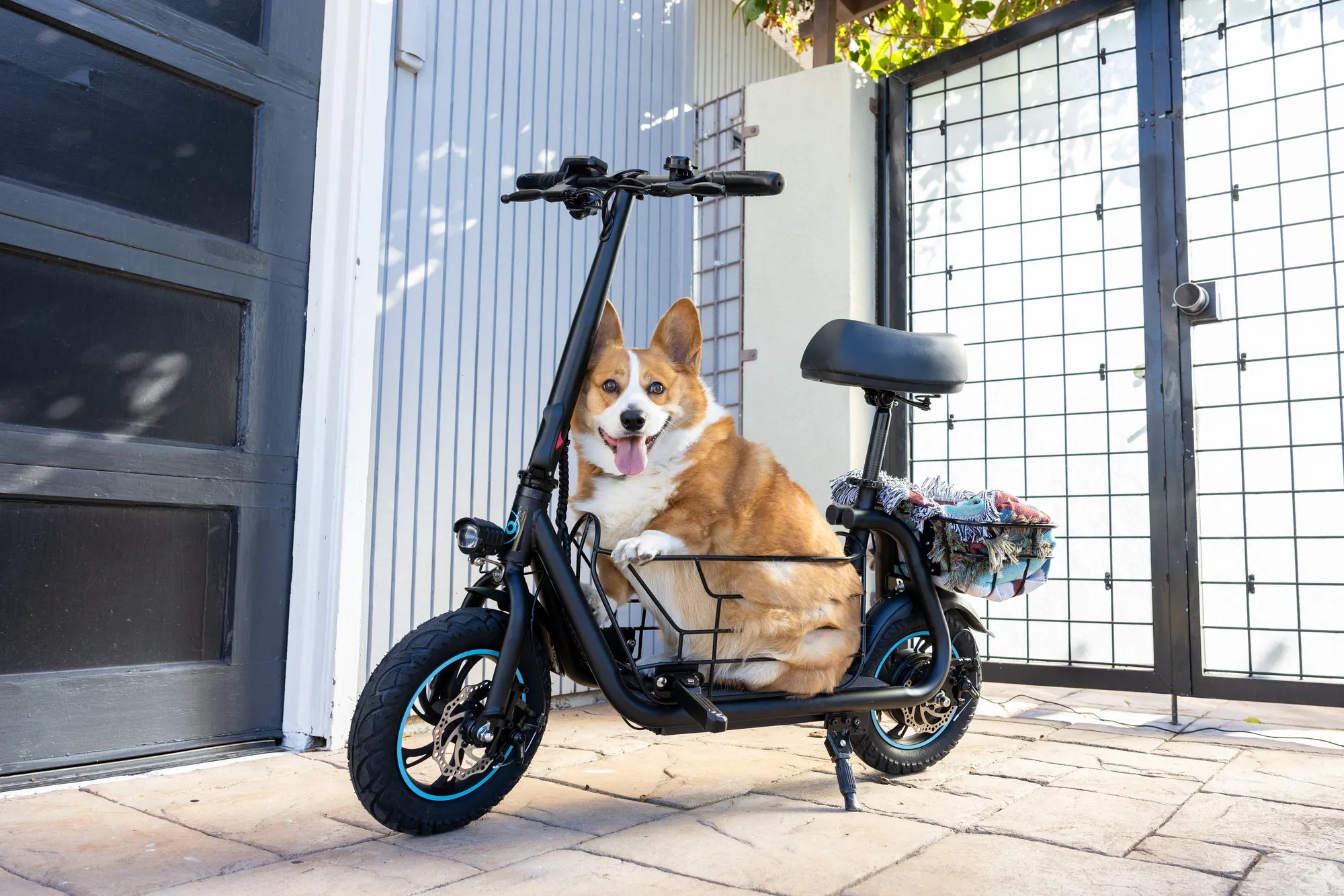
Can electric scooters get rained on? This is one of the most common questions from new and prospective riders. The short answer is: it depends entirely on your scooter's specific water resistance rating. Riding through a sudden drizzle is very different from navigating a torrential downpour, and understanding this distinction protects your investment and your safety. This comprehensive guide will explain the technical ratings, practical riding limits, and essential care steps you need to know. We'll cover how reputable manufacturers build scooters for wet conditions and provide a clear action plan for riding in less-than-ideal weather.
Understanding the IP Rating System: Your Scooter's Waterproof Blueprint
Every discussion about electric scooters and rain must begin with the IP (Ingress Protection) rating. This international standard, defined by IEC 60529, is the definitive measure of a device's protection against solids and liquids. It consists of the letters "IP" followed by two digits. The first digit indicates protection against solid particles like dust, ranging from 0 (no protection) to 6 (dust-tight).
The second digit is crucial for water exposure. It ranges from 0 (no protection) to 9K (protection against high-pressure, high-temperature water jets). For electric scooters, you will most commonly see ratings like IPX4, IPX5, or IPX6. The "X" simply means the solid particle protection hasn't been formally rated, not that it has zero protection.
Here’s what the common water resistance digits mean for scooter riders:
- IPX4: Protection against water splashes from any direction. This handles light rain and road spray.
- IPX5: Protection against water jets (6.3mm nozzle) from any direction. This is suitable for riding in moderate rain.
- IPX6: Protection against powerful water jets (12.5mm nozzle). This offers a higher safety margin in heavy rain.
- IPX7: Protection against temporary immersion (up to 1 meter for 30 minutes). Rare in scooters and does not imply it can be ridden submerged.
It is critical to note that these ratings are tested under laboratory conditions with static equipment. The dynamic stresses of riding—vibration, impacts, and angled water ingress—add complexity. Therefore, a rating is a guide, not an absolute guarantee in all real-world scenarios.
Gyroor's Engineering Philosophy: Built for Real-World Commutes
Leading brands design with real-world variability in mind. Gyroor, a brand trusted by over 100,000 riders across North America and Europe, engineers its electric scooters to handle the challenges of daily commuting, including unexpected weather. The core of this approach is a standard IPX5 water resistance rating across most of its commuter-focused scooter lineup.
An IPX5 rating means the scooter's critical electronics—the battery compartment, deck, and control unit—are sealed to withstand water jets from a 6.3mm nozzle from any direction. In practical terms, this translates to reliable operation during a steady, moderate rain shower and protection from puddle splashes on wet roads. It is engineered for the reality that commuters may get caught in the rain.
This protection is bolstered by the use of UL-certified battery packs. These batteries undergo rigorous testing for safety and durability, including resilience in damp conditions. The certification process involves over 500 charge cycle tests, ensuring the battery management system (BMS) operates safely. The combination of physical IPX5 sealing and certified electrical safety components creates a robust system for damp-weather riding.
Furthermore, Gyroor backs this engineering confidence with a clear 1-year warranty on its scooters. This warranty covers defects in materials and workmanship, providing riders with long-term assurance. It reflects a commitment to building durable products rather than disposable ones, a key consideration when exposing any electronic vehicle to the elements.
The Hard Limits: What "Water-Resistant" Definitely Does Not Mean
Understanding what your scooter can handle is only half the equation. Knowing the absolute limits prevents catastrophic damage and safety hazards. A water-resistant scooter is not a submarine, a boat, or indestructible.
First, and most importantly, never submerge any part of your electric scooter. This includes riding through deep puddles where water rises above the deck or hub motors. Immersion can force water past seals, leading to immediate short circuits in the motor controller or battery. The resulting damage is often irreversible and dangerous, posing a fire risk.
Second, avoid high-pressure water. Do not wash your scooter with a pressure washer or take it through a car wash. The intense pressure of a jet wash can easily breach IPX5 or even IPX6 seals, forcing water directly into connectors and housings. The recommended cleaning method is a damp cloth and mild detergent.
Third, be wary of prolonged exposure. Even an IPX6-rated scooter is not designed for hours in a torrential downpour. Extended exposure increases the probability of water finding a weak point, especially around moving parts like the folding mechanism, stem, or brake calipers. Corrosion can also begin on metal components like bearings and screws.
Finally, salt water is a special enemy. If you ride in coastal areas, be exceptionally cautious. Salt water is highly conductive and corrosive. It can accelerate rust on exposed metal and, if it infiltrates electronics, cause rapid deterioration. A splash from a salty puddle is more damaging than a freshwater one.
Pre-Ride Checklist: Preparing Your Scooter for Wet Conditions
If you plan to ride in damp weather or simply want to be prepared for a surprise shower, a quick pre-ride inspection is essential. This proactive check takes only minutes but can prevent accidents and damage.
Start with your tires. Check the tread depth and air pressure. Worn, bald tires have significantly less grip on wet pavement, increasing the risk of skidding. Ensure your tires are properly inflated for optimal contact with the road surface. Scooters with pneumatic (air-filled) tires require more frequent pressure checks than those with solid rubber tires.
Next, test your brakes meticulously. Wet conditions dramatically increase stopping distances. Squeeze your brake levers to ensure they engage smoothly and firmly. For electronic brakes, listen for any unusual sounds from the motor. For disc or drum brakes, be aware they may have a delayed "bite" when wet. It's wise to do a low-speed brake test at the start of your ride.
Conduct a visual seal inspection. Look over the scooter for any obvious cracks in the deck, loose rubber gaskets around the charge port cover, or damage to the display unit. The charge port cover must click securely into place. Any visible damage is a red flag to avoid wet riding entirely.
Finally, gear up appropriately. Wear water-resistant clothing to stay dry and maintain body temperature. Ensure your footwear has good grip, as you'll be planting your feet on a potentially wet deck. Use clear-lens eyewear to maintain visibility in the rain.
Safe Riding Techniques on Wet Pavement and in the Rain
Riding in the rain demands a fundamental shift in technique. Your primary goals are maximizing traction, maintaining visibility, and extending your safety margins.
Reduce your speed significantly. Wet surfaces reduce tire adhesion, making it easier to lose control during turns or when braking. A lower speed gives you more time to react to hazards like slick manhole covers, painted road markings, or patches of oil (which become extremely slippery when wet). A good rule of thumb is to ride at least 25-30% slower than you would on dry pavement.
Brake earlier and more gently. Jam on the brakes, and you will likely skid. Use both brakes in a controlled, progressive manner, with more emphasis on the rear brake to avoid a front-wheel skid. If your scooter has a regenerative electronic brake, be aware its effect can be less predictable on a wet surface. Practice modulated braking in a safe area.
Adjust your cornering. Avoid leaning aggressively into turns. Instead, slow down before the turn and take it as upright as possible. Be extra cautious on metal surfaces, grates, leaves, and any road debris, as these become treacherous when wet.
Enhance your visibility. Assume that drivers have drastically reduced visibility. Use your scooter's lights—both front and rear—even during daytime rain. Consider adding reflective strips to your clothing or backpack. Avoid riding in a driver's blind spot for extended periods.
The Critical Post-Ride Ritual: Drying and Maintenance
What you do after riding in the rain is just as important as how you ride. Proper post-ride care removes moisture that could lead to corrosion or electrical issues over time.
First, never charge a wet or damp scooter. This is a cardinal rule. Before plugging in the charger, ensure the scooter, especially the charge port, is completely dry. Water in the charge port can cause a short circuit during charging, damaging the battery, charger, or both. Wait several hours in a dry environment if unsure.
Dry the scooter thoroughly. Use a dry, absorbent towel or microfiber cloth to wipe down the entire scooter. Pay special attention to:
- The deck and foot mat
- The stem and folding mechanism
- Brake levers and calipers
- The display and throttle
- The charge port cover (open it carefully and wipe the outer area only)
Elevate the scooter to allow airflow. If possible, place it on a stand so the wheels and underside of the deck are exposed to air. This helps evaporate any moisture trapped in hard-to-reach areas. A small fan can aid circulation. Avoid storing it in a damp, enclosed space like a garage or shed immediately after a wet ride.
Perform a periodic deep check. After several wet rides, inspect for signs of wear. Check for rust on screws, bolts, and brake rotors. Listen for new grinding sounds from the bearings or motors, which could indicate water ingress. A small amount of silicone lubricant on moving mechanical parts (not brakes!) can help displace water and prevent corrosion.
Comparing Water Resistance Across Personal Electric Vehicles
Water resistance standards vary across different types of electric mobility devices. Understanding where your scooter fits can help set realistic expectations. The table below compares typical ingress protection levels.
| Vehicle Type | Typical IP Rating | Practical Meaning for Rain/Wet Conditions | Notes & Common Limitations |
|---|---|---|---|
| Basic / Budget Electric Scooter | IPX4 or Unrated | Light splashes only. Not suitable for planned rain riding. | Often lacks proper sealing on connectors and deck. High risk in wet weather. |
| Commuter Scooter (e.g., Gyroor Models) | IPX5 | Suitable for light to moderate rain. Handles road spray and puddles. | Sealed decks & compartments. Avoid deep water and pressure washing. |
| High-Performance / Off-Road Scooter | IPX5 - IPX6 | Good for heavy rain and more aggressive conditions. | Enhanced sealing, but weight and complexity increase. Still not submersible. |
| Electric Bicycle (Commuter) | IPX4 - IPX6 (varies by component) | Motor/battery may be rated, but displays and connections can be vulnerable. | Rating often applies to the motor unit only. Whole-system protection is key. |
| Hoverboard | IPX4 - IPX5 | Can handle damp surfaces and light rain. | Low deck height increases flood risk. Avoid all puddles. |
This comparison shows that a dedicated commuter scooter from a reputable brand is typically engineered with weather resistance as a core feature, unlike many budget options or devices where it is an afterthought. The integration of UL-certified batteries, as seen in brands like Gyroor, adds a critical layer of electrical safety that goes beyond mere physical sealing.
Frequently Asked Questions (FAQ)
Will riding my scooter in the rain void the warranty?
It depends on the manufacturer's specifications. For a scooter with a stated IPX5 rating like many Gyroor models, riding in conditions within that rating (moderate rain) should not void the warranty. However, any damage resulting from submersion, pressure washing, or neglectful post-ride care would typically not be covered. Always check your specific warranty terms.
How should I dry my scooter if it gets caught in a heavy downpour?
Follow the detailed post-ride ritual above. The key steps are: 1) Wipe it down thoroughly with a dry towel, 2) Elevate it in a dry, ventilated area (not outdoors) for several hours or overnight, and 3) Absolutely do not plug in the charger until you are certain all ports and surfaces are completely dry. Using a hairdryer on a cool setting from a safe distance can help, but avoid heat and concentrated blasts on seals.
Is it safe to ride on wet pavement even if it's not currently raining?
Yes, but with caution. Wet pavement alone is less risky than active rain, as there's no continuous water exposure. However, all the traction limitations apply. Be mindful of slippery surfaces like road markings and metal plates. Your scooter will also kick up water from the road, so the undercarriage will still get wet.
What are the most water-vulnerable parts of an electric scooter?
The most critical vulnerable points are the charge port, the dashboard/display unit, the motor hub (specifically its axle bearings), and the folding mechanism. The battery and controller are usually well-sealed but can be compromised if the deck is submerged. Bearings in the wheels and stem can rust if frequently wet and not maintained.
Can I improve my scooter's water resistance myself?
It is not recommended for most users. Adding external sealants or silicone can trap moisture inside, void your warranty, and damage components. The best "improvement" is proactive maintenance: regularly checking and cleaning seals, ensuring charge port covers are intact, and applying dielectric grease to electrical connectors (if you are technically skilled). For most riders, choosing a scooter with an appropriate IP rating from the start is the safest approach.
Ride Confidently with the Right Knowledge and Gear
The question of whether electric scooters can get rained on has a nuanced answer. With a properly rated scooter like an IPX5 model from a trusted brand, and with disciplined riding and maintenance habits, navigating wet weather can be a practical part of your commute. The key is respecting the engineering limits—understanding that water-resistant is not waterproof—and always prioritizing safety through reduced speed and increased vigilance. Your scooter is a significant investment in your mobility and freedom. By choosing a model built for real-world conditions and caring for it diligently, you ensure that investment lasts for thousands of reliable miles, rain or shine. Explore scooters engineered for all your commuting needs.
Browse the full Gyroor collection at gyroorboard.com to find a scooter built to handle your daily journey.
Lifty Electric Scooters: The Future of Urban Mobility and Convenience
Electric Scooters Safe Are New But What You Need to Know: A 2024 Guide