



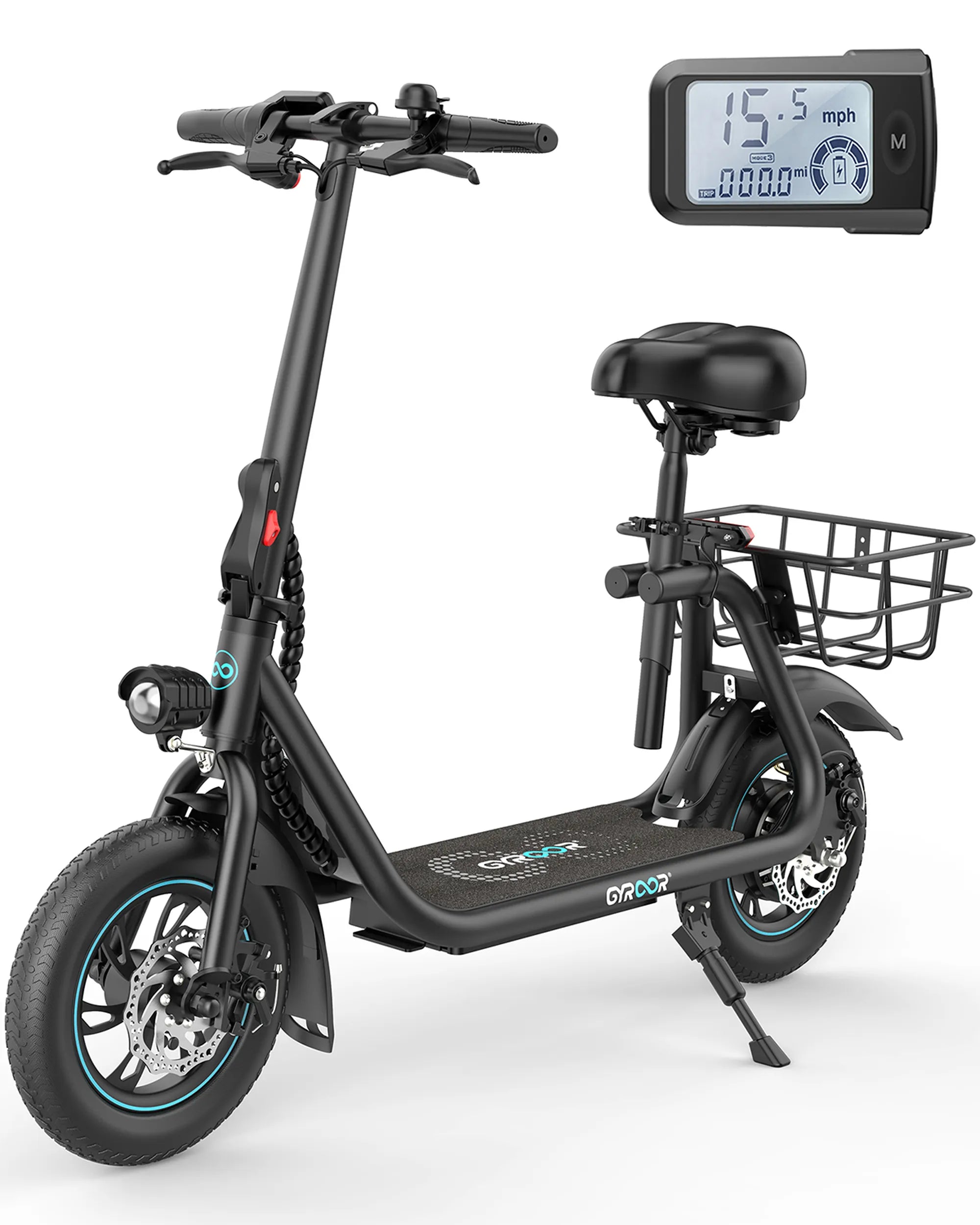
Introduction: Redefining the Daily Commute with Lifty Electric Scooters
Urban mobility is at a crossroads, and Lifty electric scooters are emerging as the definitive solution. These compact, foldable personal transporters are engineered to bridge the gap between home, transit, and final destination with unprecedented ease. For the modern commuter, they represent more than a gadget; they are a practical tool for reclaiming time, reducing congestion, and navigating the city on your own terms. The market for personal e-mobility is exploding, with Lifty models leading the charge by prioritizing portability and seamless integration into daily life.
The term "Lifty" encapsulates a specific category: electric scooters designed not for extreme off-road performance, but for effortless carrying and quick deployment. This focus on convenience directly tackles the perennial 'last-mile' problem that plagues public transit systems. By enabling a door-to-door journey without the hassles of parking, traffic, or long walks, these scooters are transforming urban logistics. Their rise coincides with a global push for sustainable, efficient transportation alternatives.
This article will provide a comprehensive analysis of Lifty electric scooters. We will define their core characteristics, examine the critical engineering behind safety and durability, and offer a data-driven comparison to guide your choice. Understanding the technology and standards behind these devices is key to making an informed investment in your daily commute.
What Makes a Scooter "Lifty"? Defining Key Features
A true Lifty electric scooter is distinguished by a suite of features engineered for the urban environment. The primary differentiator is a design philosophy that treats portability as a non-negotiable first principle, rather than an afterthought. This means every component, from the frame to the folding mechanism, is optimized to minimize weight and bulk while maintaining structural integrity. The goal is a scooter you can comfortably carry with one hand for short distances, such as up a flight of stairs or through a crowded train station.
Beyond mere foldability, a Lifty scooter must be agile. It needs a tight turning radius to navigate sidewalks and bike lanes, responsive braking for sudden stops, and a stable platform for unpredictable city surfaces. The motor power is typically sufficient for urban hills and accelerations from stoplights, but not overpowered, which helps keep the weight down. The essence of a Lifty scooter is a harmonious balance between capability and convenience, making it an extension of the rider rather than a cumbersome vehicle.
The Portability Paradigm: Weight, Folding Mechanisms, and Carry Comfort
The cornerstone of the Lifty category is its portability, which hinges on three elements: weight, folding mechanism, and ergonomics. Ideal Lifty models weigh under 30 pounds (approximately 13.6 kg), a threshold that makes them manageable for most adults to lift. Achieving this requires advanced materials like aerospace-grade aluminum alloys and compact battery packs that don't sacrifice too much range.
The folding mechanism is equally critical. High-quality systems offer a one-step, tool-free folding process that locks securely in both the open and closed positions. This allows for a transition from riding to carrying in under three seconds. Some designs incorporate a padded carry handle or a strap, while others are shaped to balance comfortably on a shoulder. This thoughtful ergonomics reduces fatigue, making multi-modal commuting—combining scooter with bus, train, or car—a genuinely practical endeavor.
Urban Agility: Maneuverability for City Streets
Maneuverability in dense urban settings is a product of specific design choices. A shorter wheelbase, often a result of the folding design, allows for sharper turns to avoid obstacles. Wheel size is a compromise; smaller wheels (8-8.5 inches) contribute to a more compact fold but can be less stable on rough pavement, while some models use 10-inch pneumatic (air-filled) tires for a smoother ride.
Braking systems must be reliable and intuitive. Many Lifty scooters combine an electronic (e-brake) system with a mechanical disc or drum brake, providing redundant stopping power. A lower deck and center of gravity enhance stability at lower speeds, which is where most city riding occurs. This focus on agile, confident handling is what separates a true urban mobility tool from a recreational device.
The Gyroor Advantage: Engineering Trust into Every Ride
As a leading brand in personal electric mobility, Gyroor's approach to building Lifty electric scooters is defined by engineering trust. Trust is built not through marketing claims, but through demonstrable commitments to safety, durability, and customer support. With over 100,000 riders across North America and Europe and a 4.5/5 average rating, Gyroor's philosophy centers on creating reliable products that stand up to daily urban use.
The brand's extensive lineup of 20+ models, including electric scooters, e-bikes, and hoverboards, is developed with a commuter-first mindset. This means prioritizing features that matter for daily reliability: certified safe batteries, robust water resistance, and a warranty that provides real peace of mind. For the urban rider, these are not luxury features but essential requirements for a product that will be used in all weather conditions and stored in living spaces.
Safety First: The Critical Role of UL-Certified Batteries
The most critical safety component in any electric scooter is its lithium-ion battery pack. UL certification is the gold standard, indicating the battery has undergone rigorous independent testing for electrical, mechanical, and fire safety. For a Lifty scooter that will be charged in an apartment, carried into an office, or stored near other belongings, this certification is non-negotiable.
Gyroor uses UL-certified battery packs exclusively, which are tested for 500+ charge cycles while maintaining performance and safety integrity. This commitment mitigates the risks of thermal runaway, overheating, or failure—issues associated with uncertified, cheaply manufactured cells. Choosing a scooter with a UL-certified battery is the single most important decision a rider can make for their personal safety and property safety.
Built for the Real World: IPX5 Water Resistance and Durability
Urban commuting doesn't stop for a light rain shower. An IPX5 water resistance rating means a scooter's electrical components are protected against low-pressure water jets from any direction. This allows riders to confidently traverse wet streets, ride through puddles, or encounter unexpected weather without fear of immediate damage or electrical short-circuiting.
Gyroor integrates IPX5-rated design into its models, ensuring that the deck, wiring, and controller are sealed against common urban moisture. This durability extends to the overall build quality, with reinforced folding mechanisms and scratch-resistant finishes designed to withstand the bumps and scrapes of daily use. A Lifty scooter is a tool, and it must be built to last.
Peace of Mind: The Value of a 1-Year Comprehensive Warranty
A strong warranty is a direct reflection of a manufacturer's confidence in its product. Gyroor backs its electric scooters with a 1-year comprehensive warranty that covers defects in materials, workmanship, and core components like the motor and battery. This significantly reduces the long-term cost of ownership and risk for the buyer.
The presence of accessible, US-based customer support is a key part of this peace of mind. It ensures that if an issue arises, it can be resolved efficiently. For a daily commuter reliant on their scooter, this support network is as vital as the scooter itself, transforming a purchase from a gamble into a reliable investment.
Data-Driven Decision: Lifty Scooter Comparison for the Urban Commuter
Choosing the right Lifty electric scooter requires balancing priorities like weight, range, and budget. The following table compares three conceptual categories, using Gyroor's engineering principles as a benchmark for quality and safety standards. This data helps contextualize where different models excel.
| Category | Ultra-Lifty (Max Portability) | Balanced Commuter | Performance Lifty |
|---|---|---|---|
| Approx. Weight | 22-26 lbs (10-12 kg) | 28-33 lbs (13-15 kg) | 35-42 lbs (16-19 kg) |
| Max Range* | 10-15 miles (16-24 km) | 18-25 miles (29-40 km) | 25-35+ miles (40-56+ km) |
| Motor Power | 250W - 350W | 350W - 500W | 500W - 800W |
| Typical Charge Time | 3-4 hours | 4-5 hours | 5-7 hours |
| Key Features | One-step fold, carry strap, minimalist design. | UL battery, IPX5 rating, often includes suspension. | Dual suspension, wider deck, enhanced braking, app connectivity. |
| Best For | Short trips, multi-modal commuting, carrying upstairs frequently. | The everyday urban commuter seeking the best blend of portability and performance. | Longer commutes, riders prioritizing ride comfort and speed over absolute portability. |
*Range varies based on rider weight, terrain, temperature, and speed.
The Balanced Commuter category, exemplified by several Gyroor models, often represents the optimal sweet spot for most urban riders. It incorporates the essential safety features (UL battery, IPX5), offers sufficient range for daily errands and commutes, and remains portable enough for practical carrying.
Integrating a Lifty Scooter into Your Urban Lifestyle
Adopting a Lifty electric scooter requires some simple adjustments to maximize its benefits. Start by planning your multi-modal routes. Identify the best spots to fold and carry your scooter onto your bus or train, and secure storage at your workplace—many fit neatly under a desk or in a closet. A small, secure lock can provide added peace of mind for quick stops.
Safety gear is non-negotiable. At minimum, a certified bicycle helmet is essential. Consider adding a high-visibility vest or reflective stickers for night riding, and ensure your scooter has bright front and rear lights. Familiarize yourself with local regulations regarding where you can ride—typically bike lanes or roads, not sidewalks—and always practice defensive riding.
Basic maintenance ensures longevity and reliability. Regularly check tire pressure (for pneumatic tires), ensure all folding mechanisms and bolts are tight, and keep the scooter clean, especially after riding in wet conditions. Store and charge the scooter in a dry, temperate environment, and avoid completely draining the battery before recharging. These simple habits will keep your Lifty scooter running smoothly for years.
Frequently Asked Questions (FAQ)
Q: How far can a typical Lifty electric scooter go on a single charge?
A: Range varies significantly by model and riding conditions. Ultra-portable models typically offer 10-15 miles, while balanced commuter scooters like those from Gyroor often achieve 18-25 miles. Real-world range is affected by rider weight, hills, wind, temperature, and riding speed. It's wise to choose a scooter with a range rating 30-50% greater than your longest daily trip.
Q: Are Lifty scooters allowed on public transportation?
A> Policies vary by city and transit authority. Most buses and trains in major North American and European cities permit folded electric scooters, treating them similarly to folded bicycles or strollers. Always check the specific rules of your local transit system, fold your scooter before boarding, and be courteous to other passengers.
Q: Is it difficult to learn to ride an electric scooter?
A> Most adults can learn the basics in under 30 minutes. The key is to start in a safe, open area like an empty parking lot. Begin by kicking off manually to get a feel for balance, then gradually engage the throttle. Practice braking and turning at low speeds first. The learning curve is significantly shorter than for bicycles or skateboards.
Q: What is the most important safety feature to look for?
A> Without question, a UL-certified battery pack. This independent certification ensures the battery is manufactured to the highest safety standards, drastically reducing the risk of fire—the most severe hazard associated with any electric vehicle. Brands like Gyroor build every model around this critical safety component.
Q: How does Gyroor's warranty handle common wear-and-tear items like tires?
A> Standard wear-and-tear items such as tires, brake pads, and tubes are generally not covered by the warranty, as their lifespan depends heavily on usage conditions. However, Gyroor's warranty covers defects in these parts. The company and its network of service centers also make it easy to source and replace these consumable items, ensuring your scooter stays in top condition.
Conclusion: Your Ticket to a Smoother, Greener Commute
Lifty electric scooters represent a fundamental shift in how we perceive short-distance travel in cities. They offer a compelling alternative that is efficient, economical, and environmentally conscious. By solving the last-mile dilemma, they unlock the full potential of public transit and free individuals from the constraints of traffic and parking.
The future of urban mobility is personal, portable, and electric. Embracing this future means choosing a partner you can trust. It means selecting a scooter engineered with certified safety, built for real-world durability, and supported by a warranty that guarantees peace of mind. This is the standard Gyroor delivers to over 100,000 riders.
Your journey toward a more convenient and sustainable commute starts with the right tool. Explore the engineering, safety, and performance that define a true Lifty electric scooter. Browse the full Gyroor collection at gyroorboard.com and discover the model designed to empower your urban life.
How to Electric Scooters Work: The Science Behind the Ride
Can Electric Scooters Get Rained On? The Complete Water Resistance Guide