



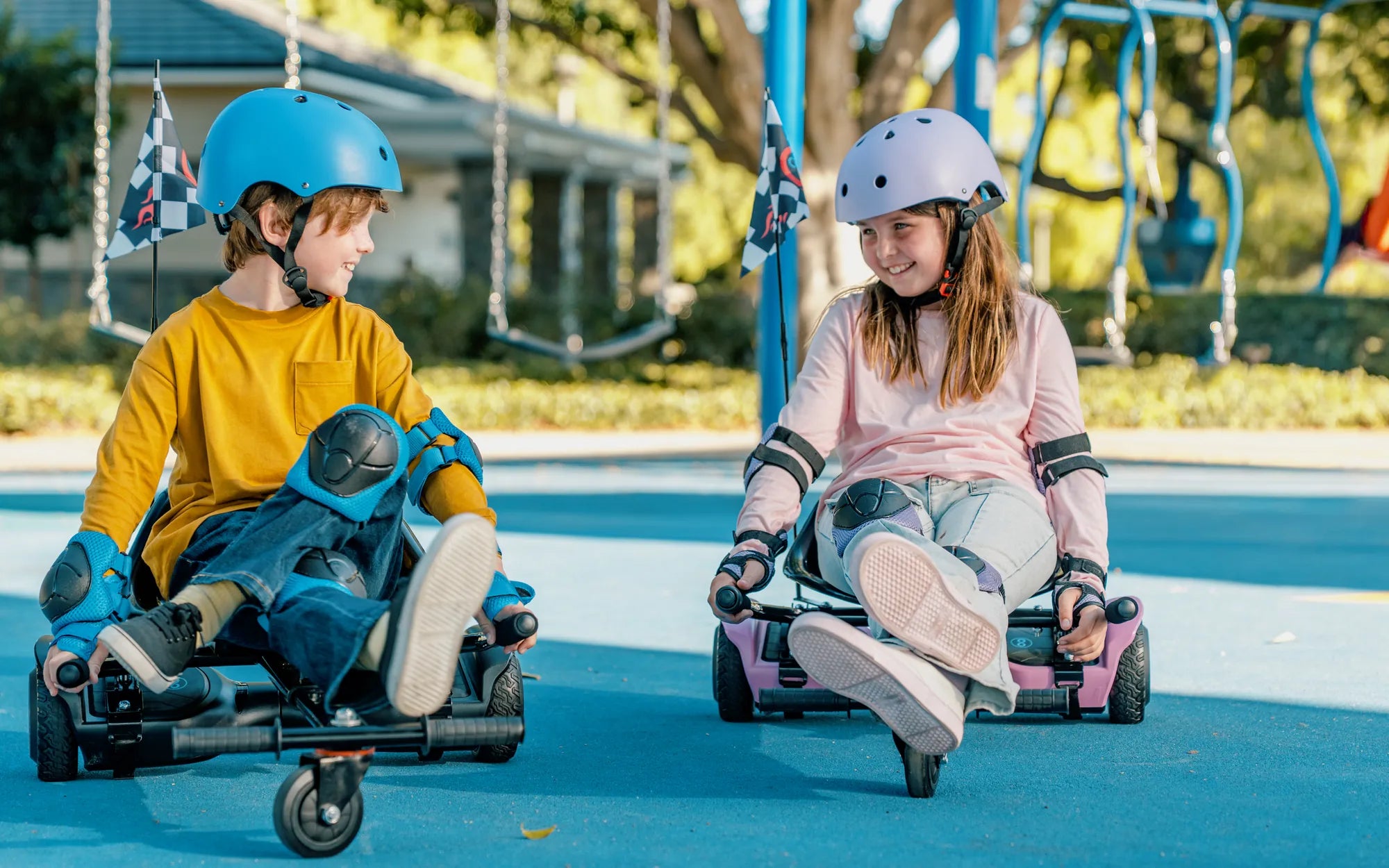
Introduction: Finding the Right Scooter for Your Child's Adventure and Your Budget
Every parent wants to see their child experience the joy of zooming down the sidewalk, the wind in their hair, mastering a new skill. A scooter is a classic gateway to outdoor play, coordination, and independence. However, the search for a cheap kids scooter often leads to a confusing marketplace filled with tempting low prices and worrying safety questions.
Is an affordable scooter inherently unsafe? How can you spot a genuine bargain from a potential hazard? This guide is designed to cut through the noise. We will provide a data-driven framework for evaluating value, ensuring that your purchase prioritizes safety and durability while respecting your budget. You will learn to identify the non-negotiable features, understand where cost-saving is acceptable, and make a choice that delivers endless fun without compromise.
What Makes a "Cheap" Scooter a Smart Buy? Defining Value for Money
In the context of children's toys and ride-ons, "cheap" should be redefined as "high value," not "low quality." A smart buy is a scooter that delivers on its core promises—safe operation, reasonable durability for its intended use, and fun—at a competitive price point. The initial purchase price is only one part of the total cost of ownership.
Value is measured by longevity, safety performance, and the cost of potential repairs or replacements. A $50 scooter that breaks in two months, causing a fall, is far more expensive than a $120 scooter that lasts for years and is passed down to a sibling. The key is to identify which components directly impact safety and structural integrity versus those that are purely aesthetic or convenience-based.
Non-Negotiables: Safety Features You Can't Skip
Certain elements are fundamental to a scooter's safe operation and must be present, regardless of price. Compromising on these features to save money is a false economy that risks your child's well-being.
Reliable Braking System: A responsive brake is critical. For young children on kick scooters, a rear fender brake (pressing down on the rear wheel cover) is simple and effective. For older kids on electric models, a electronic brake combined with a mechanical disc or drum brake provides essential stopping power and redundancy.
Stable Deck and Frame Construction: The deck must be wide enough for a child to stand comfortably with feet side-by-side or slightly staggered. The frame, typically aluminum or reinforced steel, must feel solid with no flex or wobble. Check the welds and joints for consistency.
Secure Steering and Handlebar Grips: The steering column must have a stable, wobble-free connection to the deck. Handlebars should be covered in non-slip, durable rubber or foam grips that are securely fastened and cannot rotate independently. A faulty grip can lead to a loss of control.
Appropriate Weight Limit: Every scooter has a maximum rider weight. Exceeding it stresses the frame, brakes, and wheels, leading to premature failure and accidents. Always choose a scooter with a weight limit at least 20-30 lbs above your child's current weight to allow for growth and a safety margin.
Where Budget Scooters Can Save (Without Sacrificing Durability)
Responsible manufacturers can offer lower prices by making strategic choices in areas that don't compromise the core safety architecture of the scooter.
Simplified Folding Mechanisms: While convenient, a complex, one-touch folding latch adds cost. A budget model might use a simple clamp or require a tool (like a quick-release lever and a bolt) for folding, which is still functional for storage.
Basic Lighting and Display: Instead of bright, multi-function LED displays and high-lumen headlights, a value scooter may have a simple battery indicator LED and basic, safety-compliant front and rear reflectors or single-LED lights. The core function—being seen—is maintained.
Standard Wheel Materials: High-end scooters use premium polyurethane (PU) wheels for the best ride quality. Budget models often use durable, high-impact plastic or standard PU wheels. While the ride might be slightly firmer, the durability for typical sidewalk use remains acceptable if the wheel-to-axle connection is robust.
Fewer Color and Design Options: Offering a scooter in one or two popular colors, rather than a wide spectrum of custom designs, reduces manufacturing and inventory costs. The performance is identical.
The Gyroor Advantage: Affordable Scooters Built to Last
Navigating the budget scooter market requires trust in a brand's commitment to foundational safety standards. Gyroor, a leading electric scooter and e-bike brand trusted by over 100,000 riders across North America and Europe, applies its core engineering principles to its entire range, including its accessible models. This means parents don't have to choose between a reputable brand and an affordable price.
The brand's philosophy centers on delivering verified safety and reliable performance. This is achieved through standardized testing, certified components, and clear warranty support—features often absent in unbranded, ultra-low-cost alternatives. When you select a Gyroor scooter, you are investing in a product where the cost-saving measures are transparent and strategic, never touching the critical systems that protect your child.
UL-Certified Batteries for Peace of Mind (On Electric Models)
For any electric kids scooter, the battery is the most critical safety component. Lithium-ion batteries, while efficient, can pose fire risks if poorly manufactured or protected. UL certification is an independent, rigorous safety standard from Underwriters Laboratories.
A UL-certified battery pack, like those used in all Gyroor models, has been tested for over 500 charge cycles, electrical faults, overheating, and physical damage. This certification is your guarantee that the battery's internal management system will prevent dangerous failures. It is a non-negotiable feature for any electric scooter, especially a cheap kids scooter where battery quality is a common corner-cutting area.
Built for Play: IPX5 Water Resistance and Warranty Support
Kids ride through puddles and light rain; a scooter must withstand these realities. An IPX5 water resistance rating means the scooter's electrical components can withstand low-pressure water jets from any direction. This protects the motor, battery compartment, and wiring from splash damage, significantly extending the scooter's lifespan and preventing corrosion-related failures.
Furthermore, Gyroor backs its scooters with a comprehensive 1-year warranty. This coverage protects your investment against manufacturing defects in materials and workmanship. Accessible, US-based customer support provides a clear path for assistance, a stark contrast to the void of support that comes with many no-name online purchases. This warranty transforms a purchase from a disposable gamble into a supported, long-term investment.
Choosing by Age & Stage: A Quick-Reference Guide
Matching the scooter type to your child's age, size, and skill level is paramount for both safety and enjoyment. The right scooter builds confidence; the wrong one can lead to frustration or accidents. Use the following table as a starting point for your search.
| Age & Skill Level | Recommended Scooter Type | Key Features to Prioritize (Budget-Friendly Focus) | Approximate Price Range for Value |
|---|---|---|---|
| 2-4 Years (Beginner) | 3-Wheel Kick Scooter (2 front, 1 rear) | Extra-wide deck, low-to-ground design, lean-to-steer mechanism for stability, adjustable handlebar height, rear fender brake. | $40 - $80 |
| 5-8 Years (Intermediate) | 2-Wheel Kick Scooter | Durable aluminum frame, adjustable handlebars (easy tool-free mechanism), reliable rear brake, air-filled or durable PU wheels for smoother ride. | $50 - $100 |
| 8-12 Years (Advanced/Teen) | Electric Kick Scooter | UL-certified battery, speed limiters (adjustable, max 10-15 mph), dual braking system (e-brake + mechanical), IPX4/5 water resistance, robust weight limit (150+ lbs). | $200 - $350 |
Remember, these are guidelines. Consider your child's individual coordination, strength, and maturity. A cautious 7-year-old might do better on a stable 3-wheel model a bit longer, while an experienced 9-year-old could safely handle a basic electric model with parental supervision and proper safety gear.
Beyond the Price Tag: The True Cost of a Cheap Scooter
The allure of a $30 scooter from an unknown seller is strong, but it's crucial to conduct a total cost analysis. A genuinely cheap kids scooter from a reputable brand may have a higher sticker price but a dramatically lower cost per ride over time.
Consider the hidden costs of an ultra-low-priced option: Replacement parts are non-existent, forcing you to buy a whole new scooter if a wheel bearing fails or a brake lever breaks. The lack of warranty means you absorb 100% of the risk for any defect. Poorly machined components can lead to sudden failures—a sheared axle or a collapsing folding mechanism—which are direct safety hazards.
In contrast, a scooter from a brand like Gyroor, with its UL-certified battery, IPX5 rating, and 1-year warranty, is engineered for longevity. The cost is upfront and transparent. You pay for engineering, safety testing, and support. Over two or three years of use, potentially for multiple children, the amortized cost becomes very low, and the peace of mind is invaluable. The true cost of a scooter isn't its price; it's the price plus the risk and the replacement expenses you likely incur.
Essential Safety and Maintenance Protocol
Owning a scooter comes with the responsibility of proper maintenance and safety practices. These steps ensure the scooter remains safe and functional throughout its lifespan, maximizing your investment.
Pre-Ride Safety Check (The ABC Quick Check): Make this a habit for you and your child. A is for Air (check tire pressure if applicable) and Axles (ensure wheels spin freely and are tight). B is for Brakes (test for firm, responsive stopping power). C is for Controls and Connections (check handlebar tightness, folding mechanism locks, and overall frame for cracks or damage).
Mandatory Safety Gear: A properly fitted helmet is non-negotiable for every ride, regardless of scooter type. For kick scooters, add knee and elbow pads for beginners. For electric scooters, full gear—helmet, knee pads, elbow pads, and wrist guards—is essential. This gear is a one-time purchase that protects against the most common scooter injuries.
Basic Maintenance Routine: Every few weeks, wipe down the scooter to remove dirt and grit that can wear down components. Check and tighten all bolts and nuts (handlebar clamp, stem, brake assembly). For electric models, follow the manufacturer's charging instructions: don't leave it plugged in indefinitely, store it in a cool, dry place, and avoid completely draining the battery before recharging.
Parent's FAQ: Quick Answers on Budget Kids Scooters
Q1: What is a good age for a child to start on a scooter?
Most children develop the balance and coordination for a basic 3-wheel scooter around age 2.5 to 3. Start with a stable model and always supervise closely. The transition to a 2-wheel kick scooter typically happens between ages 4 and 6, depending on the child's confidence.
Q2: Are second-hand or hand-me-down scooters a good idea?
They can be, but inspect them rigorously. Check for frame cracks, especially near welds and the steering column. Test the brakes thoroughly. Ensure the folding mechanism (if present) locks securely. For electric scooters, inquire about the battery's age and charging habits—a degraded battery is a safety and performance issue.
Q3: How do I maintain a budget scooter to make it last?
Preventative care is key. Perform the ABC Quick check regularly. Keep it clean and dry. Avoid riding in heavy rain or through deep puddles. Don't exceed the weight limit. Store it indoors, out of direct sunlight and extreme temperatures, which can degrade plastics and batteries.
Q4: What's the real difference between a $50 and a $150 kick scooter?
The $150 scooter typically uses higher-grade materials (air-filled tires vs. solid plastic, aircraft-grade aluminum vs. basic steel), has a smoother, more precise steering mechanism, features tool-free height adjustment, and comes with a warranty. The $50 scooter gets the job done but may be heavier, less smooth, and more prone to wear-related wobbles over time.
Q5: Are electric scooters safe for kids under 10?
With the right model and rules, yes. Choose an e-scooter specifically designed for kids, with a speed cap (max 10 mph), a lower deck for stability, and a simple control interface. Parental supervision and strict rules about where they can ride (no streets, empty parking lots or sidewalks only) are mandatory. The scooter must have reliable, dual braking systems.
Smart Spending for Safe, Endless Fun
The journey to finding the perfect cheap kids scooter ends not with the lowest price, but with the greatest confidence. You now have the framework to discern between a risky shortcut and a genuine value. By prioritizing non-negotiable safety features like solid construction and reliable brakes, demanding verified components like UL-certified batteries in electric models, and choosing brands that stand behind their products with warranties and support, you secure more than a toy.
You invest in countless hours of outdoor activity, skill development, and joyful independence for your child. The right scooter becomes a trusted companion for adventures, a piece of gear that is safe, durable, and fun. Remember, the ultimate affordable scooter is one that delivers peace of mind with every push of the foot or twist of the throttle, ensuring the fun lasts far longer than the initial excitement of a new purchase.
Ready to explore a range of kids' scooters that are built with safety-first engineering and offer exceptional value? Browse the full Gyroor collection, featuring UL-certified electric models and durable kick scooters, at gyroorboard.com. Find the perfect ride that fits your budget and your standards.
How Long Does It Take for a Hoverboard to Charge: A Complete Guide
Scooter for Kids 8-12: The Ultimate Guide to Fun and Safety