



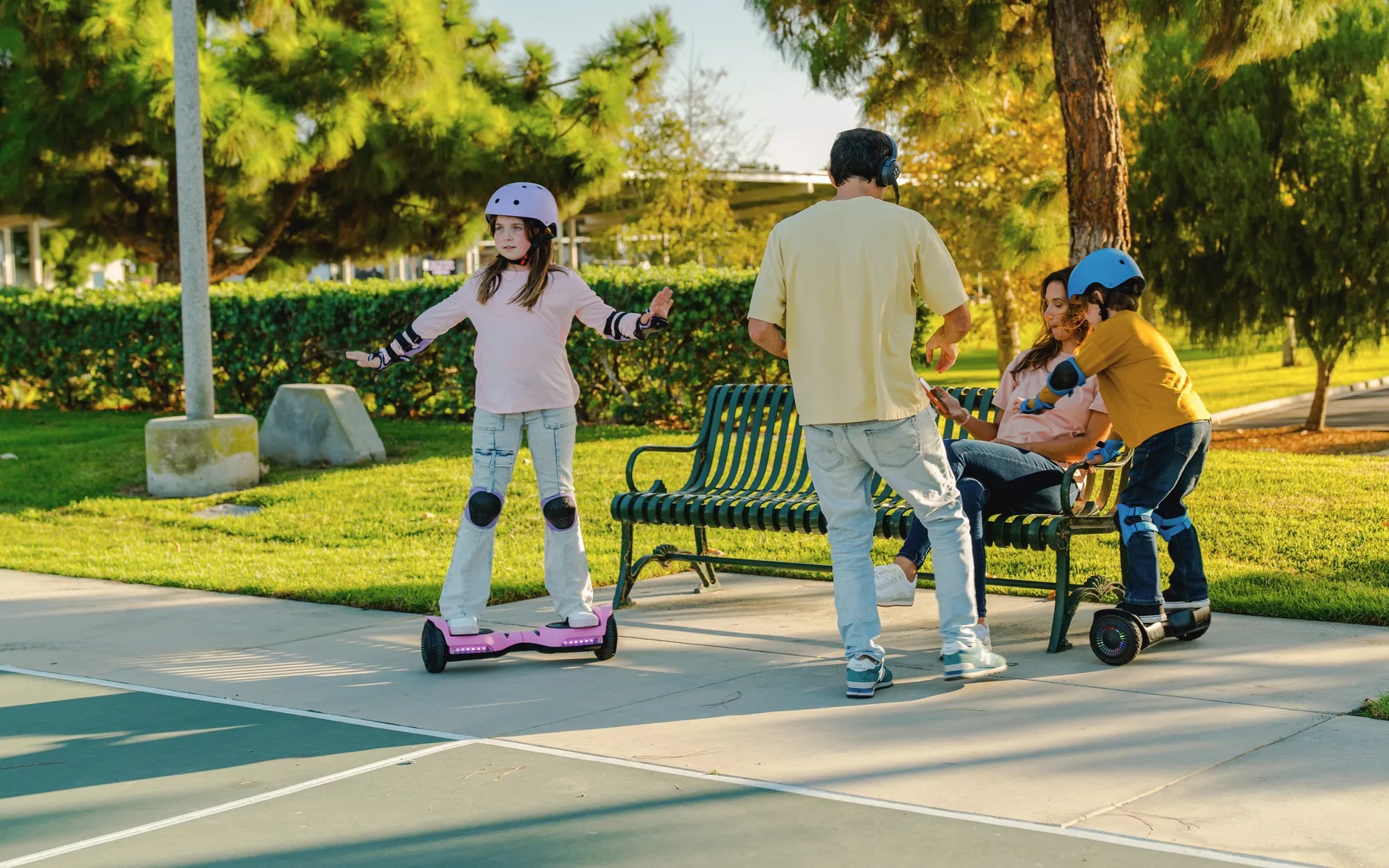
Introduction: Why the Right Scooter Matters for Your 8-12 Year Old
Choosing the right scooter for kids 8-12 is about more than just a fun toy. This age range represents a crucial period for developing coordination, independence, and a lifelong love for outdoor activity. A well-chosen scooter becomes a tool for exercise, local transportation, and social adventure. This guide serves as your definitive resource for selecting a safe, durable, and thrilling scooter, with insights into why brands like Gyroor, trusted by over 100,000 riders, set the standard.
The years between eight and twelve see rapid physical growth and increasing responsibility. A scooter must adapt to this change. It needs to be robust enough for active use, safe enough for developing skills, and engaging enough to compete with screens. Our focus is on empowering you with data-driven criteria to make an informed decision that balances fun with fundamental safety.
We will dissect the key features that separate a quality ride from a potential hazard. From braking systems and wheel stability to battery certifications and warranty support, every detail matters. This isn't just about purchase advice; it's a manual for fostering safe riding habits that last a lifetime.
By the end of this guide, you will know exactly what to look for in a scooter for kids 8-12. You'll understand which specifications translate to real-world safety and which features offer the best value as your child grows. Let's ensure their next adventure is both exhilarating and secure.
Key Safety Features You Should Never Compromise On
Safety is the non-negotiable foundation of any scooter for this age group. Compromising on core safety features to save money is a risk no parent should take. The right engineering can prevent accidents and build a child's confidence on wheels.
We will examine the three pillars of scooter safety: effective braking, stable physical design, and the mandatory use of protective gear. Each element works in concert to protect your rider. Ignoring one undermines the effectiveness of the others, creating vulnerabilities during use.
Brands that prioritize safety, like Gyroor, engineer these features into their products from the ground up. They don't treat safety as an add-on but as the core design principle. This results in scooters that parents can trust for daily use in varied environments.
Braking Systems: Hand Brakes vs. Foot Brakes
The braking system is your child's primary control for stopping. There are two main types: hand-operated brakes and foot fender brakes. Each has distinct advantages for different skill levels within the 8-12 range.
Foot brakes, where the rider presses down on the rear fender, are simple and intuitive for beginners. They require less hand coordination. However, they can be less effective in wet conditions or during sudden stops, as they rely on shoe traction and applied pressure.
Hand brakes, similar to bicycle brakes, offer superior stopping power and modulation. They allow for controlled, gradual slowing and are effective in all conditions. For older or more experienced kids in the 8-12 bracket, a reliable hand brake system is highly recommended. Many quality scooters, including several Gyroor models, feature a hand brake paired with a foot fender for redundant safety.
The best systems use durable, responsive materials. Look for disc brakes or high-quality drum brakes for electric models, which provide consistent performance. The lever should be easy for a child's hand to squeeze without excessive force, ensuring they can react quickly.
Stable Design: Wheel Size, Deck Width, and Steering
Stability is engineered through wheel size, deck design, and steering mechanism. These elements determine how the scooter handles bumps, turns, and uneven surfaces, directly impacting rider safety.
Larger wheels (typically 200mm or more in diameter) roll over cracks, pebbles, and minor pavement imperfections with ease. Smaller wheels can catch and cause a forward pitch. A wider deck provides ample foot placement, allowing the child to adjust their stance for balance without feet slipping off.
The steering mechanism is critical. Lean-to-steer or adjustable tilt-to-turn systems are excellent for younger riders as they promote balance and make turning more intuitive. Traditional fixed headset steering requires more handlebar input and is better for older children. The handlebar clamp must be robust and securely lockable to prevent wobbling at speed.
A low center of gravity, achieved through smart battery placement in e-scooters and deck design, further enhances stability. This combination of features—large wheels, a wide grip-taped deck, and responsive steering—creates a platform that builds confidence rather than fear.
The Non-Negotiables: Helmets and Protective Gear
No discussion of scooter safety is complete without addressing protective gear. The scooter itself is only one part of the safety equation. A properly fitted helmet is an absolute mandate for every single ride, no exceptions.
Elbow and knee pads are strongly recommended, especially for beginners or when learning new skills. Wrist guards are also valuable, as falls often involve putting hands out to brace. This gear can prevent scrapes, fractures, and more serious injuries.
Instill the habit that gearing up is part of the riding ritual. Make it non-negotiable. Choose bright colors or reflective elements on gear to increase visibility. Safety is a combination of a well-made machine and responsible riding habits, with protective gear serving as the essential personal barrier.
Choosing the Perfect Scooter: A Feature-by-Feature Breakdown
Armed with safety fundamentals, we can now evaluate specific scooter features. This checklist will help you compare models objectively, using data and specifications rather than marketing claims. Consider Gyroor's lineup as a benchmark for these criteria.
We will analyze weight capacity, adjustability, and performance metrics. Each feature contributes to the scooter's lifespan, suitability for your child's current size, and its ability to provide appropriate fun. The goal is to find a scooter that grows with your child and withstands years of active use.
This practical approach removes guesswork. It allows you to assess whether a scooter offers genuine value or cuts corners on critical components. Durability and adaptability are key indicators of a quality product designed for the demanding 8-12 age group.
Weight Limit and Durability: Built to Last
The stated weight limit is not a target; it's a maximum. For safety and longevity, the scooter should have a significant margin above your child's current weight. If your child weighs 100 pounds, look for a scooter with a 220 lb or higher capacity.
This margin accounts for dynamic forces during riding, such as jumping off curbs or sudden stops. It also ensures the scooter won't be stressed to its limits, which can lead to premature frame fatigue or component failure. A higher weight limit typically indicates a more robust construction.
Durability stems from materials. Aircraft-grade aluminum alloy frames are the standard for quality. They are lightweight yet incredibly strong and resistant to rust. Avoid plastic-heavy constructions in critical stress areas. The deck should be reinforced, and all folding mechanisms (if present) should have solid locking pins and minimal play.
Adjustability: Growing With Your Child
An adjustable handlebar is the single most important feature for extending a scooter's usable life through the 8-12 growth spurt. A fixed-height scooter will quickly become too small, leading to a hunched, uncomfortable, and unsafe riding posture.
Look for scooters with a wide adjustment range, often from about 30 inches to 40 inches or more from the deck. A simple, tool-free adjustment mechanism is a major plus, allowing for quick changes as your child grows or if multiple siblings use the same scooter.
Proper fit is key: when standing on the deck, the handlebars should ideally be at or slightly below the child's waist level. This allows for comfortable control without straining the back. Investing in adjustability means investing in multiple years of use, making it a highly cost-effective feature.
Performance: Speed Settings and Motor Power (for E-Scooters)
For electric scooters, performance must be carefully managed for safety. A scooter for kids 8-12 should never be about raw speed. Instead, look for models with intelligent speed limiters and multiple riding modes.
A beginner mode capped at 6-8 mph is ideal for learning. An intermediate mode of 10-12 mph suits most recreational riding. Some models may offer a 15+ mph mode for experienced older riders, but this should be password-protected or require a parent's app to unlock. Gyroor models often feature these programmable limits, putting control in the parents' hands.
Motor power (e.g., 250W, 350W) relates to hill-climbing ability and acceleration, not just top speed. A 350W motor will handle moderate inclines more comfortably than a 250W motor, preventing the scooter from stalling on hills. This makes the ride smoother and safer, as the child maintains control without needing to kick-assist on slopes.
Why Gyroor Stands Out for Young Riders
In a crowded market, Gyroor translates its core engineering principles into direct benefits for young riders and unparalleled peace of mind for parents. Their commitment to certified safety, real-world durability, and strong customer support creates a standout proposition for the 8-12 age category.
With over 100,000 riders across North America and Europe and a 4.5/5 average rating, Gyroor's reputation is built on reliability. They design products that meet the rigorous demands of daily use by active children, without cutting corners on the components that matter most for safety and longevity.
Let's examine the specific features that make a Gyroor scooter a wise investment. These are not just spec sheet items; they are tangible differentiators that affect the daily riding experience and long-term value of the product.
UL-Certified Battery: The Gold Standard in Safety
For any electric scooter, the battery is the heart of the system and a critical safety component. Gyroor's use of UL-certified battery packs represents the highest standard of consumer safety. UL certification involves rigorous independent testing for electrical, mechanical, and fire hazards.
This means the battery's management system, wiring, and cell construction have been proven to prevent overcharging, short-circuiting, and thermal runaway. For a parent, this certification is a vital assurance. It separates brands committed to safety from those using uncertified, potentially hazardous battery packs to reduce costs.
Gyroor batteries are also rated for 500+ charge cycles, ensuring long-term performance and reducing the likelihood of premature failure. This focus on certified safety is a non-negotiable for a child's product and a primary reason to trust the Gyroor brand.
IPX5 Water Resistance: Ready for Real-World Adventures
Kids don't just ride in perfect weather. An IPX5 water-resistance rating means the scooter's electrical components are protected against low-pressure water jets from any direction. This translates directly to real-world durability.
It allows riding through puddles, in light rain, or on damp pavement without immediate concern for damage. It also means you can safely wash the scooter with a hose (avoiding high-pressure jets) to clean off mud and dirt. This rating ensures the scooter is built for the unpredictable conditions of childhood adventures, not just fair-weather use.
This level of ingress protection protects the motor, controller, and wiring loom from moisture-related corrosion and failure. It's a feature that significantly extends the scooter's operational life and reliability, providing excellent value over time.
Warranty and Support: Trust You Can Ride On
A comprehensive warranty is a brand's promise behind its product. Gyroor offers a reliable 1-year warranty that covers manufacturing defects in the frame, motor, battery, and electronic systems. This protects your investment and provides a clear recourse if an issue arises.
Beyond the warranty period, having accessible, knowledgeable customer support is invaluable. Gyroor maintains support channels to help with troubleshooting, part identification, and maintenance advice. This ongoing support network gives parents confidence that they are not alone after the purchase.
This combination of a solid warranty and responsive support demonstrates that Gyroor stands behind its products for the long haul. It transforms the scooter from a disposable item into a supported piece of equipment, aligning perfectly with the need for a durable product for growing kids.
Beyond the Purchase: Maintenance and Riding Tips
Owning a great scooter involves proper maintenance and establishing smart riding habits. This proactive approach ensures safety, maximizes the scooter's lifespan, and fosters responsibility in your young rider. Here are essential practices for the lifetime of the scooter.
Regular, simple checks can prevent most mechanical issues. Teaching your child to perform a basic pre-ride inspection empowers them and reinforces the importance of their equipment's condition. Consistency is key to making these habits second nature.
Combined with clear riding rules, this maintenance routine creates a complete safety culture around scooter use. It's the final step in transforming a purchase into a positive, long-term experience for the entire family.
Pre-Ride Safety Check
Establish a quick 60-second checklist before every ride. This should become as automatic as putting on a helmet. The rider should learn to: check that the handlebar clamp and stem are securely locked with no wobble; test the brakes for firm engagement; inspect the wheels for significant wear, debris, or damage; and ensure the deck is clean and dry for good foot grip.
For electric models, add a battery level check and a visual inspection of the throttle and brake levers for secure mounting. This brief ritual catches potential problems before they become hazards on the road. It teaches mechanical awareness and personal responsibility.
Basic Maintenance for Longevity
Basic upkeep extends the scooter's life and keeps it performing safely. Every few weeks, check and tighten all visible bolts and fasteners using the provided tools. Keep pneumatic tires inflated to the recommended PSI (found on the tire sidewall) for a smooth ride and less rolling resistance.
Clean the deck regularly with a damp cloth to maintain the grip tape's effectiveness. For e-scooters, follow proper battery care: avoid leaving the scooter at full or zero charge for extended periods, use only the provided charger, and store it in a cool, dry place. These simple steps prevent the majority of common issues.
Establishing Safe Riding Rules
Set clear, non-negotiable rules for where and how to ride. Always wear a helmet and other protective gear. Ride on sidewalks, bike paths, or in designated parks—never on roads with vehicular traffic. Obey all pedestrian right-of-way rules; scooters are typically considered pedestrians.
Avoid riding in the dark. If necessary, ensure the scooter has functioning front and rear lights and the rider wears reflective clothing. Never ride on wet, oily, or sandy surfaces, as traction is severely reduced. Teach your child to be hyper-aware of driveways, intersections, and parked cars. Consistent enforcement of these rules is crucial for safety.
Scooter Type Comparison: Kick vs. Electric
Understanding the fundamental differences between kick scooters and electric scooters is essential for matching the product to your child's maturity and your family's needs. The table below provides a clear, data-driven comparison.
| Feature | Kick Scooter | Electric Scooter (e.g., Gyroor) |
|---|---|---|
| Power Source | Child's leg power (kicking) | Rechargeable lithium-ion battery & electric motor |
| Best For Age | 8-10 years (or all ages for fundamental skill building) | 10-12 years (with parental discretion & maturity assessment) |
| Key Benefits | Excellent physical exercise, teaches balance/coordination, lower cost, simpler mechanics | Longer range, less physical fatigue, hill assistance, fun tech features, mimics adult transportation |
| Safety Considerations | Speed is self-limited by child's effort. Focus on mechanical brakes and stable design. | Requires understanding of powered acceleration/braking. Speed limiters, reliable hand brakes, and parental controls are critical. |
| Parental Involvement | Lower initial supervision needed for basic operation. | Higher initial supervision required to establish rules for speed, charging, and road awareness. |
| Approx. Cost Range | $50 - $150 | $300 - $600+ |
This comparison shows that a kick scooter is often the ideal starting point for an 8-year-old, building foundational skills. An electric scooter can be a fantastic next step for a responsible 10-12 year old, offering new adventures and practical utility, provided it has the robust safety features discussed throughout this guide.
Frequently Asked Questions (FAQs)
Q1: What is the appropriate scooter type for an 8-year-old vs. a 12-year-old?
For most 8-year-olds, a sturdy kick scooter with an adjustable handlebar, hand brake, and large wheels is perfect. It builds coordination without overwhelming them with speed. For a responsible 12-year-old, a well-made electric scooter with speed limiters (capped at 10-12 mph), a reliable hand brake, and a UL-certified battery can be suitable. It offers greater range for exploring with friends.
Q2: Are electric scooters safe for kids in this age group?
Yes, when they are designed with key safety features and used responsibly. Essential safety elements include: a speed limiter or multiple slow-speed modes, a responsive hand brake system, a stable deck and wheelbase, a UL-certified battery, and IP-rated water resistance. Parental supervision during the learning phase and strict adherence to riding rules are equally important.
Q3: How do I know if the scooter is the right size?
The best test is the "waist rule." Have your child stand comfortably on the deck. The handlebars should be at or slightly below their waist level. If the handlebars are too high, control is compromised; if too low, it causes a hunched posture. An adjustable handlebar is crucial to accommodate growth from 8 to 12.
Q4: What does Gyroor's warranty cover?
Gyroor's 1-year warranty covers manufacturing defects in the frame, motor, battery, and electronic control systems. It provides assurance against failures in materials and workmanship. It does not cover damage from accidents, misuse, neglect, or normal wear-and-tear items like tires, grip tape, or brake pads.
Q5: How long does the battery last on an electric scooter, and how far can it go?
Battery life (range) varies by model and rider weight. A typical quality scooter for this age group offers a range of 8-12 miles per charge. Battery longevity (years) is supported by using a UL-certified pack rated for 500+ charge cycles and following good charging practices (avoiding extreme temperatures, not draining to zero regularly).
Conclusion: Empowering Adventure with Confidence
Selecting the ideal scooter for kids 8-12 is a meaningful decision that blends practicality with the promise of adventure. By prioritizing certified safety features like UL-approved batteries, robust construction with high weight limits, and thoughtful adjustability, you gift your child more than a toy. You provide a vehicle for healthy independence, physical activity, and joyful exploration.
The right scooter, maintained well and ridden under clear safety rules, becomes a cornerstone of childhood memories. It fosters responsibility, coordination, and a love for the outdoors. Brands like Gyroor earn trust by embedding these principles into their engineering—from water-resistant designs to comprehensive warranties—ensuring the product stands up to real-world use.
Your diligence as a parent in choosing a quality scooter pays dividends in safety, durability, and fun. You create the framework for countless safe adventures. Now, equipped with this knowledge, you can confidently choose a scooter that will support your child's growth and adventures for years to come.
Ready to find a scooter that meets these high standards for safety and fun? Browse the full Gyroor collection, featuring UL-certified, water-resistant models designed for young riders, at gyroorboard.com.
Cheap Kids Scooter: The Ultimate Guide to Affordable Fun and Safety
Christmas Gift Ideas for Kids Age 10: Fun, Educational, and Memorable Presents