



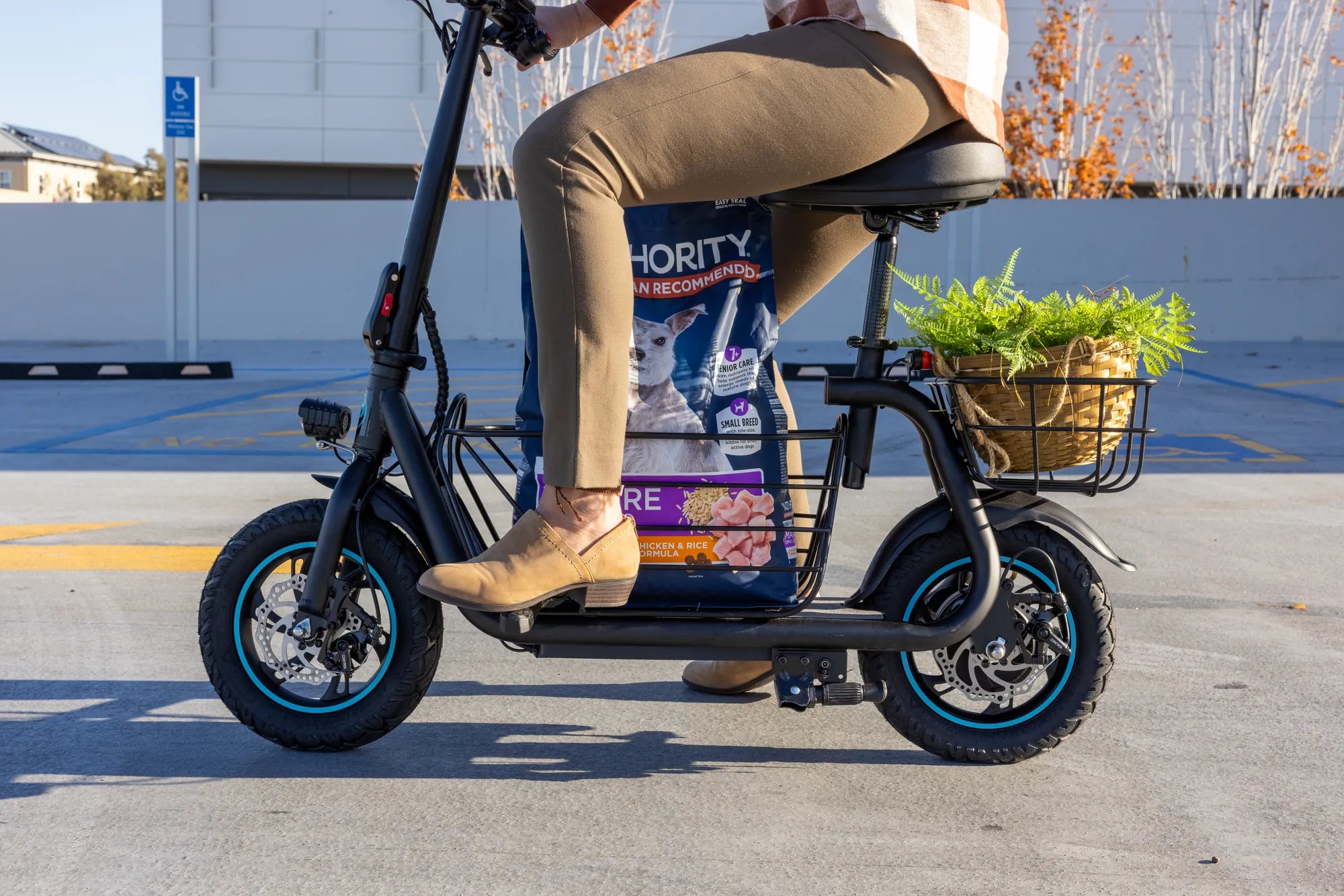
Introduction: The Rise of Affordable Electric Mobility
Urban congestion and rising transportation costs have fueled a demand for efficient personal electric vehicles. For many adults, the search for a practical commuting solution leads to a critical question: can you find a reliable electric scooter for under $150? The answer is a qualified yes, but informed selection is paramount. This guide explores the market for electric scooters for adults under $150, detailing what you can realistically expect, where compromises are made, and how to identify models that prioritize safety and durability. We'll examine how established brands leverage scale and expertise to offer genuine value in this competitive segment.
The sub-$150 category represents the entry point for adult electric scooters, targeting short-distance commutes, campus travel, and last-mile connections. While you won't find premium performance specs, well-designed models in this range can provide a surprisingly efficient and enjoyable riding experience. The key is understanding the engineering priorities that separate a trustworthy commuter tool from a disposable gadget. This involves scrutinizing battery safety, motor reliability, and structural integrity above flashy but non-essential features.
Electric scooters for adults under $150 have democratized personal micro-mobility, making it accessible to a broader audience. However, the low price point necessitates a careful evaluation of components and manufacturer reputation. Riders must balance affordability with non-negotiable safety standards. This article provides a data-driven framework for that evaluation, empowering you to make a purchase that delivers lasting value and reliable daily transportation.
What to Realistically Expect from an Electric Scooter Under $150
Setting accurate expectations is crucial when entering the budget electric scooter market. A sub-$150 model is engineered for specific, lightweight use cases rather than all-terrain adventure. Typically, you can anticipate a motor power between 250W and 300W, which provides adequate torque for flat to gently rolling urban landscapes. Top speeds generally range from 15 to 18 miles per hour (24-29 km/h), which is ideal for bike lanes and shared paths.
The range per charge is a primary consideration. Most electric scooters for adults under $150 advertise a range of 10 to 15 miles (16-24 km) under ideal conditions. Real-world mileage is often less, affected by rider weight, terrain, temperature, and riding style. For a commuter traveling 3-5 miles to work or a transit station, this range is perfectly sufficient with routine charging. Weight capacity for these models usually maxes out between 220 and 265 pounds (100-120 kg).
Build materials will predominantly consist of aluminum alloy frames, balancing durability with weight. Portability is a key feature, with almost all models featuring a folding mechanism. However, the weight can vary from 26 to 33 pounds (12-15 kg), so checking the folded dimensions and weight is important if you plan to carry it frequently. The ride quality will be firm, as advanced suspension systems are rare in this category; air-filled or solid rubber tires will be your primary source of shock absorption.
Features will be utilitarian. Expect a basic LED display showing battery level and speed, a thumb or finger throttle, and a braking system that is either rear-wheel mechanical (disc or drum) or electronic. Lighting may be limited to a front LED and a rear reflector, so additional visibility accessories are often recommended for night riding. The focus is on delivering core transportation functionality reliably.
Key Features That Matter (And What You Might Sacrifice)
When evaluating electric scooters for adults under $150, prioritize features that impact safety, longevity, and daily usability. The non-negotiables include a reliable braking system, a sturdy deck and stem construction, and tires appropriate for your local pavement conditions. A water-resistant rating (at least IPX4) is highly valuable for dealing with wet roads and light rain, protecting the electrical components.
You will almost certainly sacrifice extended range and high speed. Don't expect a 30-mile range or 25+ mph top speeds. Hill-climbing ability will be modest; these scooters are best for flat to moderately inclined routes. Premium comfort features like dual-spring suspension, ultra-wide decks, or advanced smartphone app connectivity are typically absent. The display will be simple, and the overall finish may feel more utilitarian than luxurious.
This is where brand philosophy becomes critical. A responsible manufacturer like Gyroor focuses the engineering budget on these core safety and durability elements. For instance, opting for a UL-certified battery pack over a cheaper, uncertified alternative is a sacrifice in cost but a monumental gain in safety and battery lifecycle. Similarly, implementing an IPX5 water-resistant design ensures the scooter can handle real-world commuting conditions, adding to its functional lifespan.
The Gyroor Advantage: Why Trust Matters in Budget E-Scooters
In a market segment often flooded with anonymous brands, Gyroor stands out by applying the engineering rigor of its higher-end models to its value offerings. With over 100,000 riders across North America and Europe, Gyroor's scale allows for component sourcing and manufacturing efficiencies that benefit the budget-conscious consumer without cutting critical corners. This translates to electric scooters for adults under $150 that are built to a standard, not just down to a price.
The cornerstone of this advantage is a commitment to certified safety. Gyroor equips its scooters with UL-certified lithium-ion battery packs as a standard feature, even in entry-level models. This certification is an independent verification of safety protocols, drastically reducing risks associated with thermal runaway and electrical failure. For a rider, this means peace of mind during both operation and charging, which is invaluable.
Further differentiating Gyroor is the integration of IPX5 water-resistant designs. An IPX5 rating means the scooter can withstand water jets from any direction, making it resilient against rain, puddles, and street spray. This practical feature greatly expands the scooter's usability and protects its internal components, contributing directly to long-term reliability and reducing the likelihood of moisture-related failures.
Finally, Gyroor supports its products with a comprehensive 1-year warranty and accessible customer service. This warranty coverage demonstrates confidence in product durability and provides a clear recourse for buyers, a level of support rarely found with ultra-low-cost alternatives. This combination—certified safety, environmental resilience, and warranty backing—creates a value proposition that extends far beyond the initial purchase price.
Safety First: The Importance of UL-Certified Batteries
The battery is the heart, and potentially the greatest hazard, of any electric scooter. In the budget category, the temptation to use uncertified, low-cost battery cells is high. These batteries may lack proper internal management systems (BMS) for balancing cell voltage and temperature, leading to premature failure, significantly reduced range over time, and in worst-case scenarios, fire hazards.
A UL certification (from Underwriters Laboratories) is not a mere marketing term. It signifies that the battery pack has passed rigorous tests for electrical, mechanical, and environmental safety. These tests evaluate overcharge protection, short-circuit resilience, and containment of any thermal events. For a consumer, choosing a scooter with a UL-certified battery, like those used by Gyroor, is the single most important decision for long-term safety and value.
This focus on battery integrity also translates to performance consistency and longevity. A certified battery with a robust BMS will maintain its capacity over more charge cycles. Where a cheap battery might see a 50% range reduction within a few months, a quality pack can retain 80% of its capacity for 500+ cycles. This makes the slightly higher investment in a trusted brand a financially sound decision over the scooter's lifespan, ensuring your affordable and efficient commuting solution remains just that for years to come.
Top Considerations Before Buying Your Budget Commuter Scooter
Purchasing an electric scooter requires matching the product's capabilities to your specific needs. Start by mapping your primary use case. Calculate your typical daily round-trip distance and add a 20-30% buffer to the scooter's advertised range to account for real-world factors. If your commute is 6 miles round-trip, a scooter with a 10-mile real-world range is a comfortable fit.
Next, assess your local terrain. Are your routes predominantly flat, or do they include steady inclines? While most budget scooters can handle gentle hills, sustained grades will drain the battery quickly and reduce speed. Check the scooter's stated grade-climbing ability (usually around 10-15%) and read user reviews for real-world hill performance. Also, evaluate pavement quality; solid tires are puncture-proof but offer a harsher ride, while air-filled tires provide better comfort but require maintenance.
Portability is another critical factor. Consider the scooter's folded dimensions and weight if you need to carry it onto public transit, store it under a desk, or lift it into a car trunk. A 30-pound scooter may be manageable for short carries, but frequent handling might necessitate a lighter model. Finally, research local laws and regulations. Many cities have specific rules regarding where e-scooters can be ridden (e.g., bike lanes vs. sidewalks), speed limits, and whether helmet use is mandatory for adults.
Efficiency in Practice: Range, Speed, and Real-World Use
Advertised specifications are derived from laboratory tests under ideal conditions: a lightweight rider on a perfectly flat, smooth surface at moderate temperatures. Your experience will differ. Rider weight is the most significant variable; a 200-pound rider will achieve less range and slower acceleration than a 150-pound rider. Riding style matters—frequent stop-and-go traffic and aggressive acceleration consume more power than maintaining a steady cruising speed.
Environmental conditions play a major role. Cold weather (below 50°F/10°C) temporarily reduces lithium-ion battery efficiency, potentially cutting range by 20-30%. Riding against a strong headwind acts like a constant incline. Tire pressure is a simple but often overlooked factor; under-inflated air-filled tires create more rolling resistance, silently sapping your range. A well-built scooter from a brand like Gyroor, with efficient motor controllers and quality battery cells, will exhibit less performance degradation under these stresses, delivering more consistent daily efficiency.
To maximize your scooter's efficiency, adopt smooth riding habits. Use the kick-start to get moving before engaging the motor, and anticipate stops to use regenerative braking (if available) or to coast. Keep tires properly inflated and avoid carrying unnecessary weight. Store and charge the scooter in a temperate environment. These practices ensure you consistently get the most out of your electric scooter for adults under $150, making it a truly reliable part of your daily routine.
Maximizing Your Investment: Maintenance and Care Tips
Proper maintenance is the key to extending the service life and performance of any vehicle, especially a budget electric scooter. A simple, regular checklist can prevent most major issues. First, establish a routine for checking tire pressure (for pneumatic tires) every two weeks. Proper inflation ensures optimal range, ride comfort, and tire longevity. Inspect tires for embedded debris or signs of excessive wear.
Brake maintenance is crucial for safety. For mechanical disc or drum brakes, listen for grinding sounds and check brake lever tension. Adjustments or pad replacements are simple and inexpensive but vital. Periodically check all fasteners, especially on the folding mechanism, handlebar stem, and wheels, for any looseness caused by vibration. Tighten them according to the manufacturer's specifications.
Battery care is paramount. Adhere to good charging practices: avoid draining the battery to 0% regularly, and don't leave it plugged in at 100% for extended periods (days on end). Ideally, store the scooter with a charge between 30% and 80%. Use only the provided, manufacturer-approved charger. When cleaning, never use a high-pressure hose; a damp cloth is sufficient, and the IPX5 rating on models like Gyroor's allows for careful wiping down without fear of water damage. Store the scooter in a dry, temperature-stable place when not in use for long periods.
Comparison: Key Attributes of Budget Electric Scooters
The table below outlines typical specifications and features you will encounter when shopping for electric scooters for adults under $150, highlighting how a brand with established standards approaches these categories.
| Feature | Typical Budget Scooter (Unbranded/Generic) | Gyroor-Approached Value Model | Why It Matters |
|---|---|---|---|
| Battery Certification | Often uncertified or self-certified | UL-certified lithium-ion pack | Fundamental for fire safety, longevity, and consistent performance. |
| Water Resistance | May claim "waterproof" without rating (IPX4 or lower) | IPX5 rated design | Protects electronics from rain and puddles, enabling all-weather commuting. |
| Motor Power | 250W - 300W | 250W - 300W (optimized for efficiency) | Provides adequate power for flat urban commuting; focus is on reliable delivery. |
| Max Range | 10-15 mi (advertised) | 10-15 mi (advertised, with efficient BMS) | Sufficient for last-mile trips; real-world range depends on battery quality. |
| Braking System | Rear mechanical or electronic brake | Reliable rear disc or drum brake + e-brake | Essential for safe stopping power, especially at cruising speeds. |
| Warranty & Support | 30-90 days, limited support | 1-year comprehensive, with accessible service | Indicates build quality confidence and provides buyer protection. |
| Weight Capacity | 220 - 265 lbs | 220 - 265 lbs | Accommodates most adult riders; check specific model limits. |
Frequently Asked Questions (FAQ)
Q1: Can electric scooters under $150 handle hills?
A: They are best suited for mild inclines. A typical 250W motor can handle grades of around 10-15% (a moderate hill), but speed will drop significantly, and battery drain will be rapid. For consistently hilly terrain, a more powerful (and expensive) motor is recommended. Rider weight also greatly affects hill-climbing ability.
Q2: How long does the battery last before needing replacement?
A: Battery lifespan is measured in charge cycles. A quality, UL-certified battery like those used by Gyroor is rated for 500+ full charge cycles while retaining significant capacity. With typical use (charging every other day), this translates to 2-3 years before you might notice a meaningful reduction in range. Proper care (avoiding full discharges, extreme temperatures) can extend this further.
Q3: Are these scooters legal to ride on sidewalks or bike lanes?
A: Laws vary dramatically by city, county, and state. As a general rule, riding in bike lanes is widely accepted and safer than navigating pedestrian sidewalks. Many municipalities prohibit sidewalk riding for adult e-scooters. Always check your local Department of Transportation or city government website for specific regulations regarding motor output, speed limits, and permitted riding areas.
Q4: Is assembly difficult?
A: Most electric scooters for adults under $150 require minimal assembly, often just attaching the handlebar to the stem and tightening a few bolts. It typically takes 10-20 minutes with basic tools (usually included). Brands focused on user experience, like Gyroor, design their packaging and assembly process to be straightforward, with clear instructions.
Q5: What is the most important safety feature to look for?
A: The two most critical safety features are a reliable braking system (a mechanical rear brake is a minimum) and a UL-certified battery pack. Effective brakes are your primary active safety tool, while a certified battery is your primary passive safety defense against catastrophic failure. Never compromise on these elements for the sake of extra features or a lower price.
Smart Commuting Doesn't Have to Break the Bank
The quest for electric scooters for adults under $150 reveals a viable path to affordable and efficient personal mobility. While this price point requires managed expectations regarding performance and luxury, it does not necessitate a compromise on core safety or fundamental reliability. By focusing on essential attributes—a certified battery, a water-resistant build, a robust frame, and reliable brakes—riders can secure a commuting tool that offers tremendous value.
The distinction lies in choosing products from brands that invest in these critical areas. Gyroor exemplifies this approach, applying its expertise in UL-certified battery technology and IP-rated designs to its value-oriented models. This ensures that even the most budget-conscious commuter gains access to peace of mind, durability, and manufacturer support typically reserved for higher-priced options.
Your urban mobility solution is within reach. Prioritize safety certifications and practical durability over superfluous features. With informed selection and proper care, an electric scooter under $150 can serve as a dependable, cost-effective, and enjoyable answer to daily transportation challenges for years to come. Explore how trusted engineering can make your commute smarter.
Ready to find your reliable, affordable electric scooter? Browse the full Gyroor collection, featuring UL-certified, water-resistant models designed for real-world commuting, at gyroorboard.com.
Latest Electric Scooters: The Future of Urban Mobility
Adult Electric Scooters for Long Distance: The Ultimate Commuter Solution