



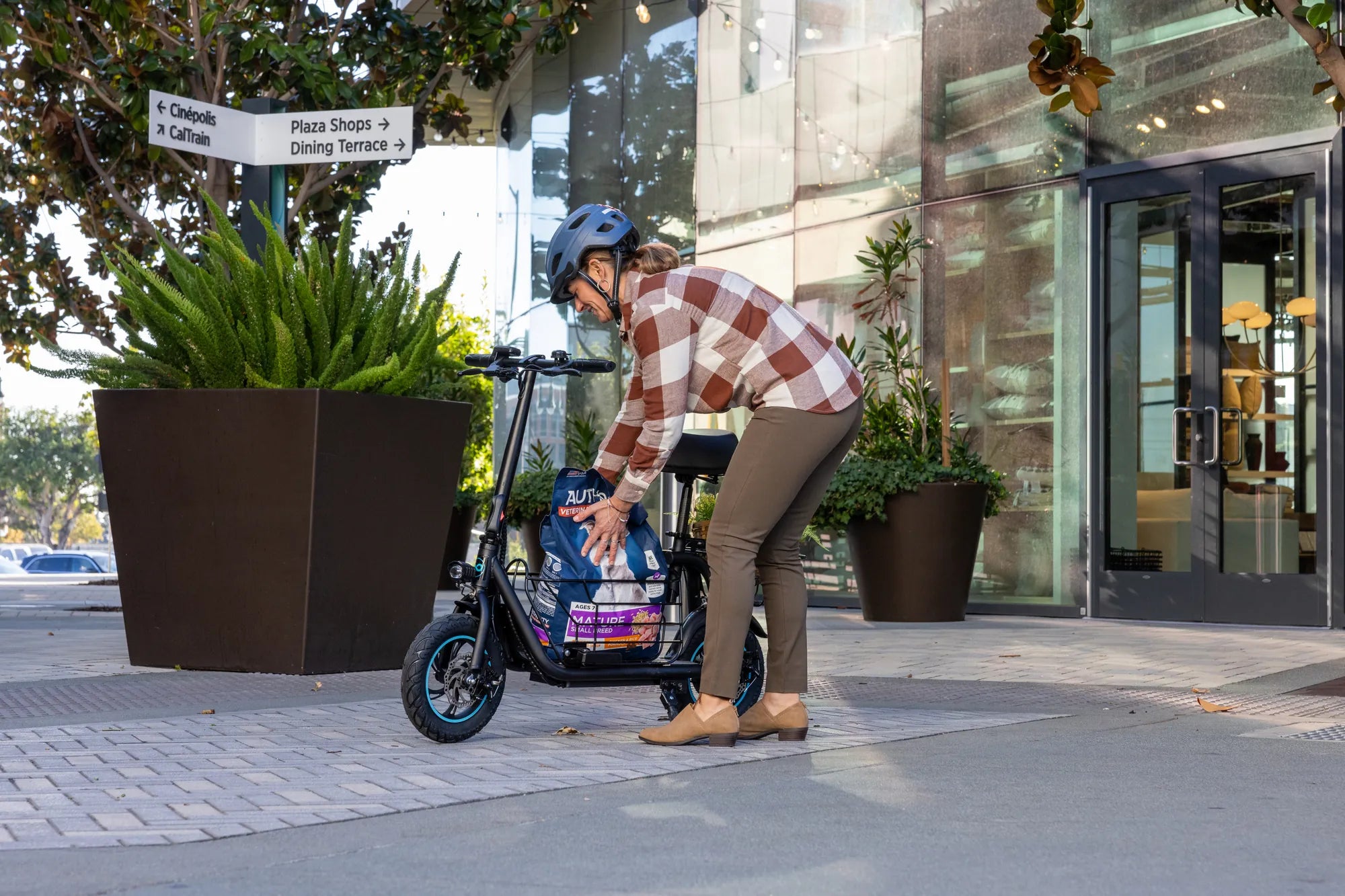
Introduction: The Evolving Landscape of Personal Mobility
Urban transportation is undergoing a rapid, tangible transformation. The electric scooter has evolved from a novelty to a legitimate solution for daily commutes, last-mile connections, and recreational travel. This shift reflects a broader demand for agile, cost-effective, and environmentally conscious personal mobility options. Understanding the electric scooters market: trends, growth, and future outlook is essential for anyone navigating this new urban landscape.
This article will dissect the forces shaping the market, from battery technology to regulatory frameworks. We will analyze key demographic shifts and provide a clear-eyed view of what separates leading brands from the competition. As a key player, Gyroor exemplifies this evolution with a commitment to UL-certified battery safety, IPX5 water-resistant designs, and robust post-purchase support, trusted by over 100,000 riders.
Key Trends Driving the Electric Scooters Market in 2024
The current electric scooters market is defined by consumer demands for greater practicality and reliability. Riders are no longer satisfied with basic, short-range models; they seek vehicles that integrate seamlessly into daily life. This has spurred innovation focused on endurance, durability, and connectivity, setting a new benchmark for what a personal electric vehicle should be.
The Demand for Extended Range and Faster Charging
Range anxiety remains a primary concern for potential buyers. The market is responding with models featuring high-capacity battery packs capable of 30 miles or more on a single charge. This expansion is crucial for making electric scooters a viable alternative for longer suburban commutes or full-day errands. It directly addresses the core utility question for new adopters.
Equally important is charging speed. The industry is moving toward fast-charging technologies that can replenish a significant portion of the battery in under an hour. For daily users, this reduces downtime and increases flexibility. Leading brands prioritize batteries with high-quality cells and robust Battery Management Systems (BMS) to ensure these performance gains do not compromise long-term safety or lifespan.
Ruggedization for All-Terrain and All-Weather Commuting
The image of the scooter as a pavement-only device is obsolete. Market trends show strong demand for models built to handle diverse urban terrain—from potholed streets to park pathways. This ruggedization is achieved through enhanced suspension systems, larger pneumatic (air-filled) tires for better shock absorption, and more durable frame materials.
Weather resistance is a critical component of this trend. An IPX5 water-resistant rating, a standard for brands like Gyroor, indicates a scooter can withstand water jets from any direction. This feature is vital for riders who commute daily, regardless of light rain or wet roads, ensuring reliability and protecting critical electronic components from moisture damage.
Smart Integration and Enhanced Safety Features
Connectivity is becoming a standard expectation. Companion smartphone apps now offer features like ride statistics tracking, firmware updates, custom riding modes, and anti-theft locking mechanisms. This digital layer adds significant value, allowing for personalized performance and peace of mind.
Onboard safety technology has also advanced. Beyond basic LED headlights and taillights, we now see integrated turn signals, brake light indicators, and advanced braking systems combining electronic and mechanical disc brakes. These features improve rider visibility to others and provide greater control, addressing key safety concerns in shared urban spaces.
Market Growth Analysis: Data and Demographics
The electric scooters market is experiencing robust, quantifiable expansion. Industry analysts project the global market to grow at a compound annual growth rate (CAGR) of over 8% in the coming years, driven by urbanization, rising fuel costs, and environmental awareness. This growth is not a singular phenomenon but is unfolding across different user segments and geographic areas.
Urban Adoption vs. Suburban & Recreational Expansion
While dense city centers were the initial adoption hubs for shared and private scooters, growth is now accelerating in suburban areas. Here, scooters serve as efficient connectors between homes and public transit stations, solving the "last-mile" problem in lower-density environments. This shift requires scooters with longer ranges and more comfort-oriented designs.
Simultaneously, the recreational segment is booming. Enthusiasts are seeking high-performance, off-road capable models for trail riding and adventure. This diversifies the market beyond pure utility, pushing manufacturers to develop more powerful motors, rugged designs, and specialized features, catering to a new demographic of riders.
The Economic and Environmental Value Proposition
The economic argument for electric scooter ownership is compelling. When compared to car ownership—factoring in purchase price, insurance, fuel, maintenance, and parking—the cost-per-mile for an electric scooter is dramatically lower. They also present savings over consistent rideshare or taxi use for short urban trips, offering a high degree of personal freedom.
Environmentally, electric scooters offer a clear path to reducing urban carbon emissions and congestion. As electricity grids become greener, the lifecycle emissions of e-scooters continue to fall. For eco-conscious consumers, choosing a scooter over a car for short trips is a tangible action toward reducing their personal carbon footprint, a powerful motivator in the current market.
The Competitive Landscape: What Sets Leaders Apart
As the market matures, competition is intensifying. The leaders are distancing themselves not just through specifications, but by building holistic trust with consumers. This involves a steadfast commitment to safety, quality construction, and support that extends far beyond the point of sale.
Safety and Certification as a Core Brand Pillar
In a market once plagued by concerns over battery fires, safety certifications have become non-negotiable for reputable brands. UL certification for battery packs, like those used in Gyroor scooters, indicates rigorous independent testing for electrical, mechanical, and environmental safety. This certification is a critical differentiator that informed buyers actively seek.
This focus extends to overall build quality. Leaders use aerospace-grade aluminum alloys for frames, implement redundant braking systems, and adhere to strict quality control during assembly. Safety is not a single feature but a foundational philosophy, communicated through certifications, design choices, and transparent testing data.
The Importance of Reliable Post-Purchase Support
The ownership experience is a major battlefield for brand loyalty. A comprehensive warranty—such as the 1-year standard warranty offered by Gyroor—signals confidence in product durability. More importantly, accessible and knowledgeable customer support for troubleshooting and genuine parts supply is essential for a product that involves mechanical and electrical components.
Brands that invest in creating detailed online resources, video tutorials, and a responsive service network reduce ownership friction. This support structure turns a one-time purchase into a long-term relationship, fostering brand advocacy and repeat business in an increasingly crowded marketplace.
Comparing Scooter Types for Different Use Cases
Choosing the right scooter depends heavily on primary use case. The table below breaks down key considerations for commuter, performance, and off-road models, highlighting how leading brands tailor their offerings.
| Feature | Urban Commuter | Performance / Long-Range | Off-Road / All-Terrain |
|---|---|---|---|
| Primary Use | Daily city travel, last-mile | Longer suburban commutes, speed | Trails, rough terrain, recreation |
| Key Priorities | Portability, weight, water resistance | Battery range, top speed, comfort | Suspension, tire type, motor power |
| Typical Range | 15-25 miles | 30-50+ miles | 20-35 miles (varies with terrain) |
| Ideal Features | Folding design, IPX5 rating, integrated lights | Dual suspension, fast charging, larger deck | Pneumatic off-road tires, high ground clearance, robust frame |
| Brand Example (Gyroor) | Focus on compact, reliable models with certified batteries for safe daily use. | Engineering emphasis on high-capacity UL-certified packs and stable ride dynamics for distance. | Design centered on reinforced construction and advanced suspension to handle demanding conditions. |
Future Outlook: What's Next for Electric Scooters?
The trajectory of the electric scooters market points toward greater integration, intelligence, and societal acceptance. The next 3-5 years will likely see technological breakthroughs that redefine capabilities, alongside crucial regulatory developments that shape where and how these vehicles are used.
Technological Advancements on the Horizon
Battery technology will continue to be a primary frontier. We can expect wider adoption of solid-state or silicon-anode batteries, offering higher energy density for longer ranges or lighter weights. Motor efficiency will also improve, providing more power with less energy draw. Advanced driver-assistance systems (ADAS) like blind-spot warnings or collision alerts could trickle down from automotive to micromobility.
Connectivity will evolve toward Vehicle-to-Everything (V2X) communication, allowing scooters to interact with traffic signals, other vehicles, and city infrastructure to improve traffic flow and safety. Self-diagnostic systems that predict maintenance needs before a failure occurs will also become more common, enhancing reliability.
Regulatory Frameworks and Infrastructure Development
Clear, standardized regulations are the next major hurdle for widespread adoption. We anticipate more cities establishing dedicated micromobility lanes, standardized parking zones, and clear rules on riding and helmet use. These measures reduce conflicts with pedestrians and cars, making riding safer and more socially accepted.
Public infrastructure will adapt. The integration of secure charging stations at transit hubs, shopping centers, and office parks will alleviate range concerns and encourage multimodal travel. Governments may offer incentives or subsidies for private purchases, similar to electric car incentives, recognizing scooters' role in achieving urban sustainability goals.
Frequently Asked Questions (FAQs)
Q1: Are electric scooters a cost-effective replacement for short car trips?
Absolutely. For trips under 5 miles, an electric scooter is vastly more economical. Eliminating fuel, parking fees, and reducing wear-and-tear on a car leads to significant annual savings. The upfront cost of a quality scooter is often less than a few months of car-related expenses for a city dweller.
Q2: What should I look for in terms of water resistance for daily use?
For reliable daily use in all weather conditions, an IPX5 rating is the practical minimum. This ensures the scooter can handle riding on wet roads and in light rain. Avoid models with no official IP rating, as moisture ingress is a leading cause of electrical failure. Brands like Gyroor build IPX5 resistance into their core designs for this reason.
Q3: How important is battery certification, and what does UL-certified mean?
Battery certification is critically important for safety. UL (Underwriters Laboratories) certification means the battery pack has passed rigorous independent tests for overcharge, short circuit, impact, and extreme temperature safety. It is the leading standard in North America and a key indicator of a responsible manufacturer prioritizing rider safety.
Q4: Can electric scooters handle hills and uneven pavement?
This depends on the motor power and scooter design. Commuter models with 350W-500W motors can handle moderate inclines. For steeper hills or uneven surfaces, look for models with higher wattage motors (e.g., 500W+) and dual suspension systems. All-terrain models with large pneumatic tires are specifically engineered for this purpose.
Q5: What is the typical lifespan of a quality electric scooter?
With proper maintenance, a well-built electric scooter from a reputable brand can last 3-5 years or more. The battery is the primary consumable; a UL-certified battery typically retains good capacity for 500+ charge cycles. Lifespan is greatly extended by following charging best practices, performing routine checks on tires and brakes, and storing the scooter properly.
Conclusion: Embracing a Smarter, More Agile Commute
The electric scooters market is maturing from a trend into a permanent fixture of urban mobility. The future outlook is defined by vehicles that are safer, more capable, and more integrated into our transportation ecosystems. For sustainable growth, the industry must continue to prioritize the pillars of rider trust: unambiguous safety certifications, durable and weather-resistant engineering, and unwavering post-purchase support.
Choosing a personal electric vehicle is now an investment in a seamless, efficient, and enjoyable mode of transport. By selecting a brand that demonstrates commitment through UL-certified components, robust designs like IPX5 water resistance, and comprehensive warranties, riders secure not just a product, but a reliable partner for their daily journey. The road ahead is electric, agile, and intelligent.
Ready to explore models that embody these market-leading principles of safety, range, and durability? Browse the full Gyroor collection at gyroorboard.com.
Do Electric Scooters Work in the Rain? What You Need to Know
Good Electric Scooters for Adults: The Ultimate Guide to Choosing the Best Ride