



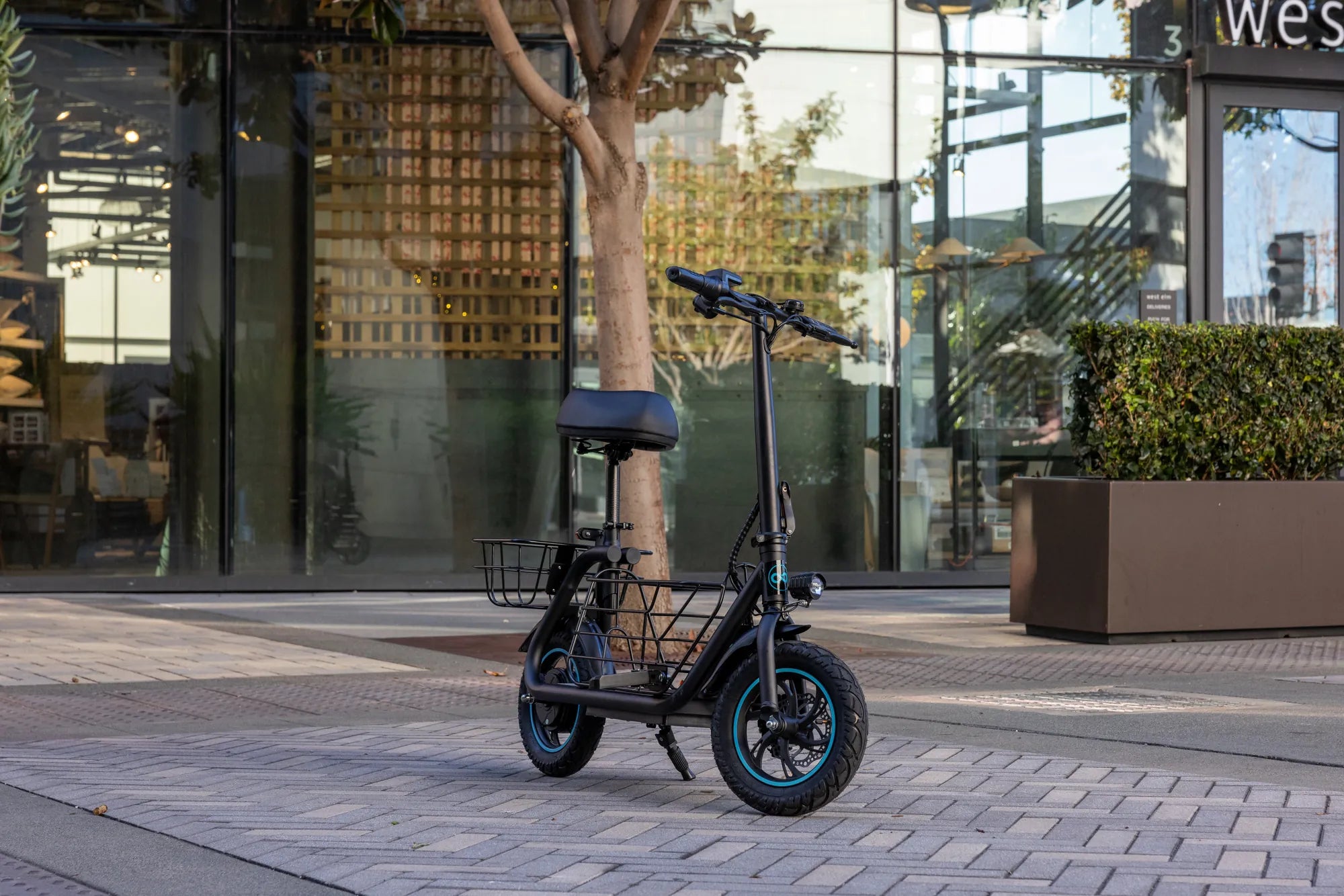
Introduction to the Fiat 500 Scooter Charger
Your Fiat 500 electric scooter is a symbol of chic urban mobility, blending iconic Italian design with modern electric convenience. The unsung hero enabling every journey is its dedicated power supply: the Fiat 500 scooter charger. This component is far more than a simple plug; it is a sophisticated battery management system in a compact form. This guide delivers a comprehensive, technical manual for your charger, empowering you with the knowledge to use, maintain, and troubleshoot it effectively. You will learn the specifications that define its operation, the best practices that preserve your scooter's battery health, and the steps to diagnose common issues. Understanding your Fiat 500 scooter charger is the first step toward ensuring consistent performance and extending the lifespan of your entire vehicle.
Understanding Your Fiat 500 Charger: Specifications and Components
A standard Fiat 500 scooter charger is a switched-mode power supply (SMPS) designed for a specific voltage and current profile. Typically, it outputs 42V DC, which is the standard for many 36V nominal lithium-ion battery systems like those in the Fiat 500 scooter. The output amperage commonly ranges from 1.5A to 2A, resulting in a charge time of approximately 4 to 6 hours for a full cycle from empty. The input side accepts 100-240V AC, making it compatible with standard wall outlets across North America and Europe.
Physically, the charger consists of three main parts. The power brick houses the primary transformer and circuitry that converts AC to DC. A fixed or detachable cable connects this brick to the wall outlet. A second cable, ending in a specific DC barrel or proprietary connector, plugs into the scooter's charging port. Most chargers feature a multi-color LED indicator system. A solid or blinking red light usually indicates active charging. A shift to orange or yellow often signals the battery is nearing full capacity during the absorption stage. A solid green light universally communicates that charging is complete and the battery is balanced.
Charger Compatibility and Safety Certifications
Using the official Fiat 500 scooter charger or a manufacturer-approved replacement is non-negotiable for safety and performance. Third-party chargers with mismatched voltage or improper amperage can cause catastrophic failure, including battery overcharging, cell damage, or thermal runaway. The genuine charger is engineered with precise communication protocols to work in harmony with the scooter's Battery Management System (BMS).
Look for critical safety certifications stamped on the charger's housing. UL (Underwriters Laboratories) or ETL certification is a gold standard in North America, indicating rigorous testing for electrical fire and shock hazards. CE (Conformité Européenne) marking is essential for the European market, ensuring compliance with EU safety, health, and environmental standards. RoHS compliance guarantees the unit is free of hazardous materials like lead. These certifications, similar to those mandated for all Gyroor electric scooter batteries, are your assurance that the component has been built to stringent safety protocols, protecting both your investment and your well-being.
Best Practices for Charging Your Fiat 500 Scooter
Adopting correct charging habits is the most effective way to ensure daily reliability. Begin by plugging the charger into the wall outlet before connecting it to the scooter. This sequence prevents arcing at the DC connector. Always charge in a dry, well-ventilated area with an ambient temperature between 50°F and 86°F (10°C to 30°C). Extreme cold slows charging and can damage the battery, while extreme heat increases the risk of stress and degradation.
Avoid treating your scooter's battery like a smartphone battery. Do not routinely drain it to 0% before plugging it in. Similarly, do not leave it plugged in for days on end after the green light appears. The ideal practice is to unplug the charger within an hour or two of the cycle completing. For daily commuting, target a recharge when the battery level drops to 20-30%. This habit minimizes stress on the lithium-ion cells and aligns with the advanced battery care principles engineered into Gyroor's UL-certified battery systems.
Maximizing Battery Health and Longevity
Your charging routine directly dictates your battery's lifespan, typically rated for 500+ full charge cycles. The lithium-ion cells within prefer partial discharge cycles over deep ones. For optimal long-term health, maintaining a state of charge (SoC) between 20% and 80% for daily use is highly recommended. This practice avoids the high-stress conditions at the very top and bottom of the battery's capacity.
Approximately once a month, or if you notice a reduction in range, perform a full 0-100% balance charge. Allow the charger to remain connected for 1-2 hours after the indicator turns green. This extended period lets the BMS actively balance the voltage of individual cell groups, correcting minor imbalances that occur over time. This balancing act is crucial for maintaining maximum capacity and safety, a feature rigorously designed into quality packs from brands like Gyroor. Storing your scooter for more than a month? Charge the battery to approximately 60% and store it in a cool, dry place, checking the charge level every few months.
Troubleshooting Common Charger Issues
When your Fiat 500 scooter charger seems faulty, a systematic approach can identify the problem. If the charger shows no lights when plugged into the wall, the issue is likely with the outlet, power cable, or internal fuse. Test a different outlet and inspect the AC cable for damage. If other lights turn on but the charger does not, the fault may be internal.
A charger that lights up but does not initiate charging (no red light when connected to the scooter) points to a connection problem. Check the DC connector for bent pins, debris, or corrosion. Ensure it is fully seated in the scooter's port. If the charger shows a green light immediately upon connection, the BMS may have disconnected the battery due to over-discharge (voltage too low). Leave it connected; some chargers and BMS systems will trickle-charge the battery back to a safe voltage before initiating a full charge, which can take up to 30 minutes. Abnormal blinking patterns, like fast flashing red or alternating colors, often indicate an error code for over-temperature, output short, or battery fault.
When to Seek a Replacement Charger
Diagnose whether the issue lies with the charger or the scooter itself. If possible, test your scooter with a known-good compatible charger. Conversely, test your charger on another compatible scooter. Physical signs of charger failure include a cracked housing, a frayed or damaged cable, a burning smell, or unusual buzzing sounds during operation. These are clear indicators to stop use immediately.
Using off-brand, damaged, or uncertified replacement chargers poses significant risks. They can deliver unstable voltage, lack proper overheating protection, and void your scooter's warranty. Sourcing a genuine Fiat 500 scooter charger replacement is essential. Contact the original retailer or Fiat's authorized parts distributor. The peace of mind offered by a genuine part, backed by a proper warranty, mirrors the comprehensive 1-year coverage provided on all Gyroor electric scooters and their critical components, ensuring support if manufacturing defects arise.
Comparing Charger Types and Scooter Power Systems
Not all electric scooter chargers are created equal. Understanding the differences highlights why using the correct charger is critical. The key specifications are output voltage (V) and current (A). Using a charger with a higher voltage can instantly damage the BMS and battery. Using one with a significantly higher amperage, while potentially speeding up charge time, can overheat the battery if the scooter's BMS is not designed to handle the higher current draw.
| Charger/Scooter Type | Typical Output | Charge Time (0-100%) | Key Consideration |
|---|---|---|---|
| Standard Fiat 500 Scooter Charger | 42V, 1.5A-2A | 4-6 hours | Balanced speed for battery longevity and daily use. |
| Fast Charger (Not Recommended) | 42V, 4A-5A | ~2 hours | Generates excess heat, accelerates battery degradation, may not be BMS-compatible. |
| Lightweight Commuter Scooter (e.g., Gyroor F1) | 36V, 1.5A | 3-4 hours | Lower voltage system for shorter, agile urban trips. |
| High-Performance Scooter (e.g., Gyroor S1) | 52V, 2A-3A | 5-7 hours | Higher voltage for greater power and range; requires its specific, robust charger. |
This comparison underscores that the Fiat 500 scooter charger is precisely tuned for its specific battery chemistry and management system. Deviating from this specification compromises the engineering built into the product.
Frequently Asked Questions (FAQ)
Q: Can I use a faster charger to reduce my Fiat 500's charge time?
A: No. Unless explicitly approved by the manufacturer, using a higher-amperage charger can overwhelm the Battery Management System (BMS), cause excessive heat buildup, and permanently degrade your lithium-ion battery cells. Always use the charger specified for your model.
Q: Is it safe to charge my Fiat 500 scooter in the rain or leave it outside?
A> It is not safe. While the scooter itself may have water-resistant ratings, the electrical connections of the charger and outlet are vulnerable. Always charge indoors or in a completely dry, covered area to prevent water ingress, short circuits, and electrocution risk.
Q: How long does a full charge actually take, and what impacts this time?
A> A full charge from 0% to 100% typically takes 4 to 6 hours. Factors that extend this time include charging in cold environments, aging battery cells with increased internal resistance, or using an extension cord that is too long or too thin, causing voltage drop.
Q: What should I do if my charger is lost or damaged?
A> Purchase a replacement directly from Fiat's authorized parts channels or your original retailer. Provide your scooter's model number and serial number to ensure perfect compatibility. Avoid generic marketplace chargers that may not have correct voltage regulation or safety certifications.
Q: Can I store my Fiat 500 scooter charger in my car's glove box?
A> It is not recommended for long-term storage. Extreme summer heat inside a car can degrade the charger's internal capacitors and electronics. Extreme winter cold can make plastics brittle. Store the charger at room temperature in a dry place.
Conclusion: Powering Your Rides with Confidence
Mastering the use and care of your Fiat 500 scooter charger is fundamental to unlocking reliable, long-lasting performance from your electric scooter. This guide has equipped you with the technical knowledge to understand its operation, the practical steps to implement optimal charging habits, and the diagnostic skills to troubleshoot common issues. Remember, the charger is a precision component; using the genuine, certified part protects your safety and your investment. By following these data-driven practices—such as maintaining a 20-80% charge for daily use and performing monthly balance charges—you directly contribute to maximizing your battery's 500+ cycle lifespan. This proactive approach to power management ensures that your Fiat 500 scooter remains a dependable and stylish companion for urban exploration. For riders seeking a broad range of reliable, UL-certified electric mobility solutions backed by strong warranties and expert support, browse the full Gyroor collection at gyroorboard.com.
Scooter Height Chart: The Ultimate Guide to Finding Your Perfect Fit
How Do You Lock a Scooter: The Ultimate Anti-Theft Guide for 2024