



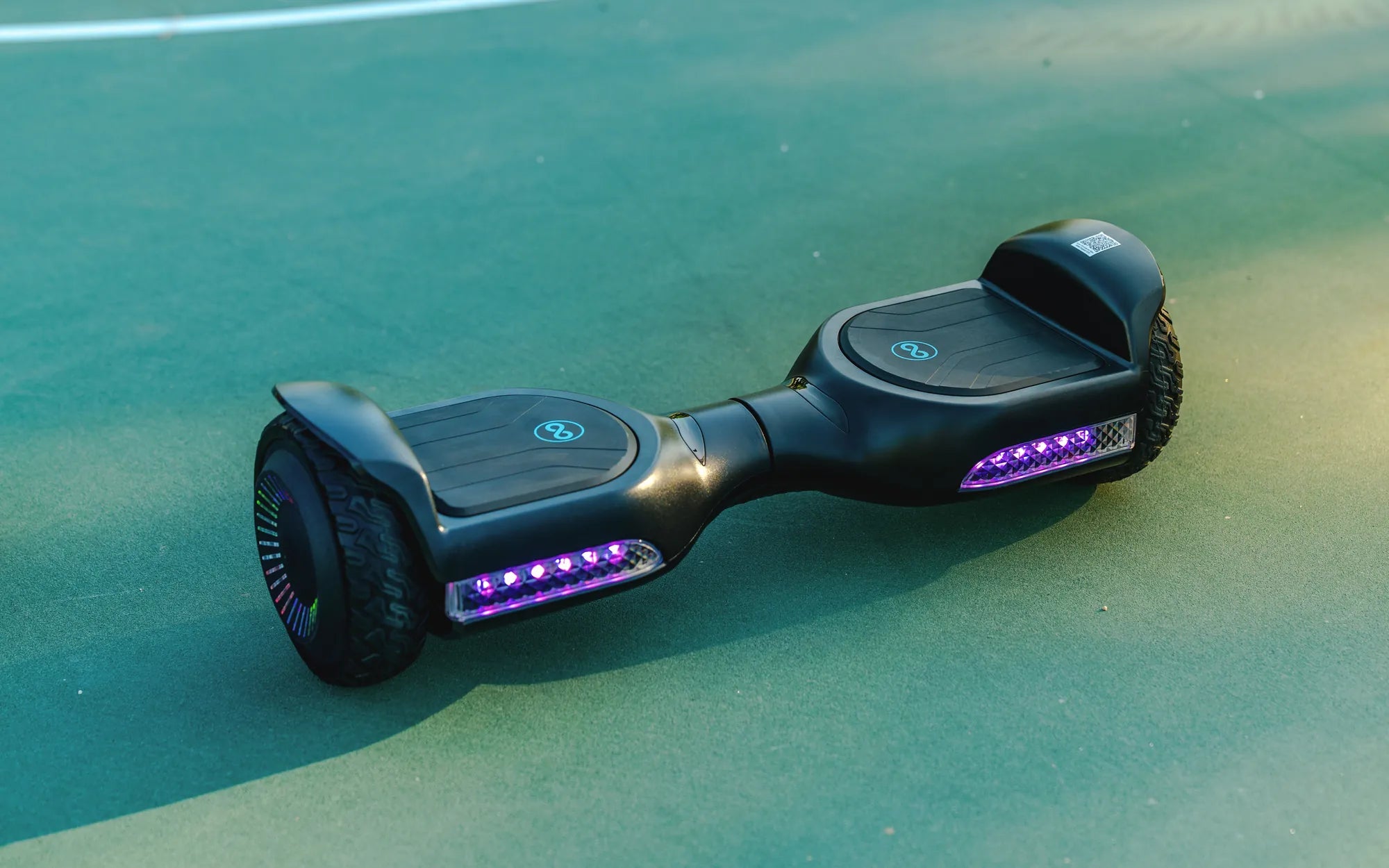
The Fascinating Science Behind Hoverboards
Hoverboards have captured imaginations for decades, from sci-fi movies to real-world prototypes. While commercial models exist, building your own hoverboard is an exciting challenge that blends physics, engineering, and creativity. Before diving into construction, it's crucial to understand the principles that make levitation possible.
Magnetic Levitation: The Core Principle
Most hoverboards rely on magnetic repulsion to achieve lift. Strong electromagnets or permanent magnets interact with a conductive surface (often aluminum or copper) to create opposing magnetic fields. When properly balanced, these forces counteract gravity, allowing the board to float. The key is maintaining precise control over these forces to ensure stability.
Gyroscopic Stabilization for Balance
Without proper stabilization, even a levitating board would be nearly impossible to ride. Modern hoverboards incorporate gyroscopic sensors similar to those in Segways, constantly adjusting motor power to maintain balance. This technology detects subtle shifts in weight distribution and responds instantly to keep riders upright.
Essential Components for Your DIY Hoverboard
Building a functional hoverboard requires careful selection of components. While designs vary, these core elements form the foundation of most systems:
- Powerful Magnets: Neodymium magnets or electromagnets provide the necessary lift
- Battery System: High-capacity lithium batteries deliver sustained power
- Control Board: Microprocessors manage power distribution and stabilization
- Gyroscopic Sensors: Detect rider movements and adjust balance accordingly
- Durable Platform: Lightweight yet strong materials for the riding surface
- Propulsion System: Motors or alternative methods for forward movement
Step-by-Step Construction Process
1. Designing Your Frame and Platform
Begin with CAD software or detailed sketches to plan your hoverboard's dimensions. The platform should accommodate your feet comfortably while remaining lightweight. Consider using carbon fiber or aircraft-grade aluminum for optimal strength-to-weight ratio.
2. Assembling the Magnetic Array
Arrange your magnets in a Halbach array configuration to maximize one-sided magnetic flux. This specialized arrangement concentrates the magnetic field beneath the board while minimizing it above, improving efficiency. Secure the magnets firmly to prevent shifting during operation.
3. Installing the Electronics
The control board serves as the brain of your hoverboard. Connect it to the gyroscopic sensors, ensuring proper calibration. Route wiring carefully to avoid interference with magnetic fields. Implement fail-safe mechanisms to cut power if sensors detect instability.
4. Power System Integration
Mount your battery pack centrally to maintain balance. Include voltage regulators to protect sensitive electronics. Consider implementing regenerative braking to recapture energy during deceleration, extending your ride time.
5. Testing and Calibration
Begin testing in a controlled environment with safety measures. Start with low power settings, gradually increasing as you verify stability. Fine-tune sensor sensitivity and response times through iterative testing. Always wear protective gear during trial runs.
Overcoming Common Challenges
Building a hoverboard presents several technical hurdles. Power consumption remains a significant constraint, as magnetic levitation demands substantial energy. Thermal management is equally important, as components may overheat during extended use. Noise reduction also proves challenging, especially with electromagnet systems.
Advanced builders might explore alternative approaches like air cushion technology or ionic wind propulsion. These methods trade some stability for potentially greater efficiency in certain environments.
Safety Considerations and Best Practices
Working with strong magnets and high-capacity batteries requires strict safety protocols. Always wear protective eyewear when handling magnets, as they can snap together with tremendous force. Implement multiple redundant safety switches in your electrical system. Test your hoverboard over soft surfaces initially, and never attempt to ride near traffic or hazardous terrain.
Consider incorporating a manual override system that allows quick power cutoff. Regularly inspect all components for wear, especially connections that might loosen from vibration. Keep firmware updated if your control system supports it.
The Future of Personal Levitation Devices
As material science advances and battery technology improves, hoverboards will likely become more practical and accessible. Emerging technologies like room-temperature superconductors could revolutionize magnetic levitation, reducing energy requirements dramatically. Meanwhile, advancements in AI-assisted balance systems may make hoverboards easier to ride than traditional skateboards.
Building your own hoverboard today puts you at the forefront of personal transportation innovation. While commercial models exist, nothing compares to the satisfaction of riding a machine you engineered yourself. The skills you develop during this project - from precision machining to embedded systems programming - will serve you in countless future endeavors.
Imagine gliding effortlessly above the ground on a device born from your own ingenuity. The thrill of that first successful hover makes every design challenge worthwhile. Whether you're an engineering student, a maker-space enthusiast, or simply someone who dreams of floating through their neighborhood, building a hoverboard represents one of the most rewarding DIY projects imaginable. Ready to defy gravity?
How Old You Have to Be to Ride a Hoverboard: Age Requirements and Safety Tips
How Old You Have to Be to Ride a Hoverboard: Age Requirements and Safety Tips