



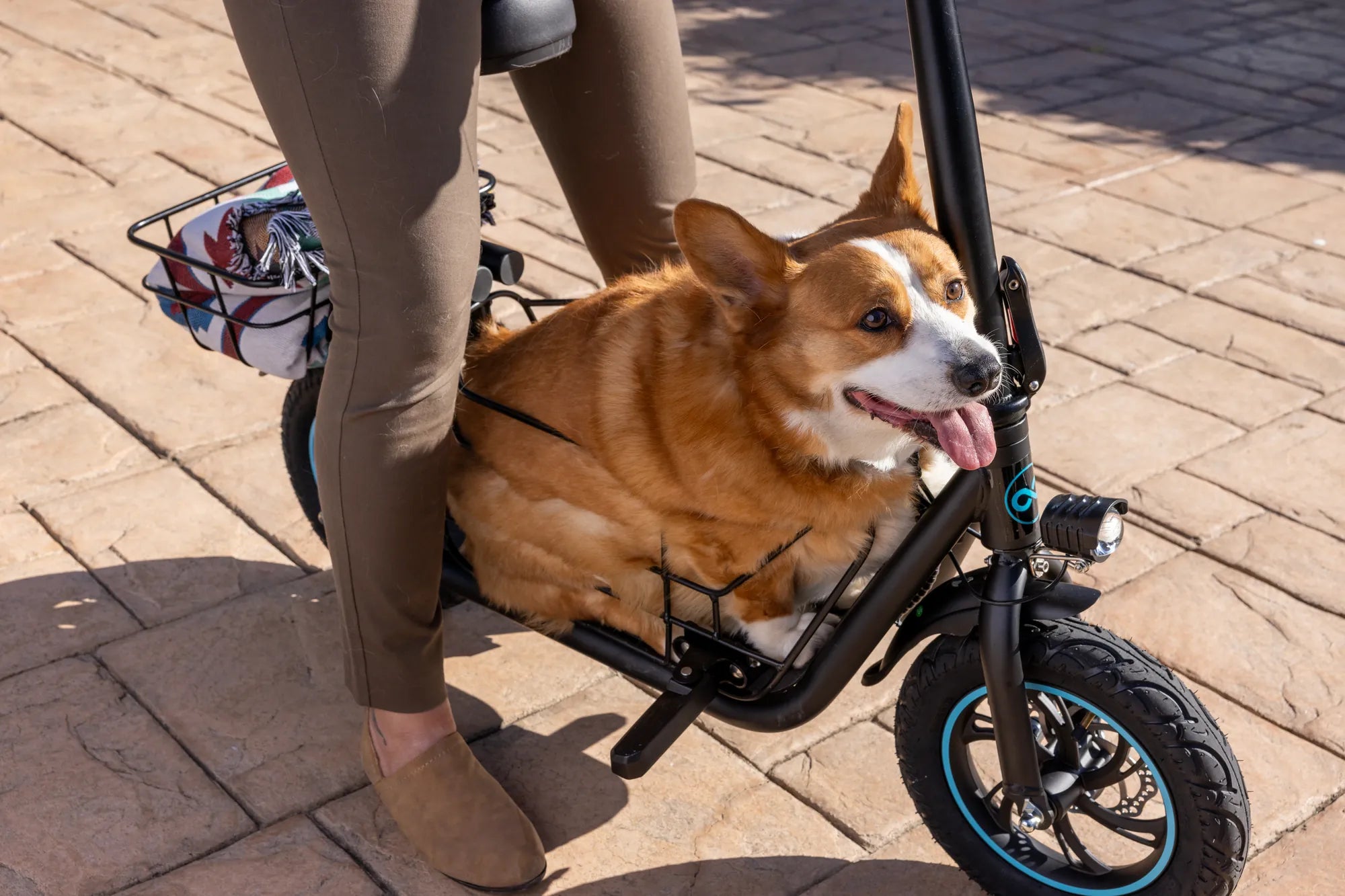
Ever wondered how people effortlessly glide on those futuristic self-balancing scooters? Whether you're a beginner or just curious, learning to ride one is easier than you think. With a little practice and the right approach, you'll be zipping around in no time. Let's dive into the step-by-step process to get you rolling confidently.
Understanding the Basics
Before hopping on, it's crucial to understand how a self-balancing scooter works. These devices use gyroscopic sensors and motors to detect your body's movements. Leaning forward accelerates, while leaning backward slows down or reverses. The key is to maintain balance and trust the technology.
Step 1: Find a Safe Practice Area
Choose a flat, open space free from obstacles. A grassy park or an empty parking lot works well. Avoid crowded areas or uneven terrain until you're comfortable. Wearing protective gear like a helmet, knee pads, and elbow pads is highly recommended.
Step 2: Mounting the Scooter
Stand behind the scooter and place one foot on the platform. Keep your weight centered and slowly lift your other foot. Hold onto a wall or a friend for support if needed. The scooter may wobble at first—this is normal. Focus on keeping your knees slightly bent for better stability.
Step 3: Finding Your Balance
Once both feet are on, relax your body and avoid stiffening up. The scooter will adjust to your stance. Practice shifting your weight slightly forward and backward to get a feel for the movement. Small adjustments are key; over-leaning can cause sudden acceleration.
Step 4: Moving Forward and Backward
To move forward, lean your upper body slightly forward while keeping your feet flat. To stop or reverse, lean back gently. Start with slow, controlled movements. Avoid jerky motions, as they can throw you off balance.
Step 5: Turning and Steering
Turning is done by applying pressure with one foot. To turn right, press down with your left foot; to turn left, press with your right. Start with wide turns and gradually practice tighter ones as you gain confidence.
Step 6: Dismounting Safely
When you're ready to stop, slow down and shift your weight backward. Step off one foot at a time, ensuring the scooter is completely stationary. Never jump off while it's moving, as this can cause the scooter to spin or accelerate unexpectedly.
Common Mistakes to Avoid
Many beginners make the mistake of looking down at their feet, which disrupts balance. Instead, keep your gaze forward. Over-leaning is another common issue—start with subtle movements. Lastly, avoid riding on wet or slippery surfaces until you're experienced.
Practice Makes Perfect
Like any skill, riding a self-balancing scooter takes practice. Start with short sessions and gradually increase your time. Don't get discouraged by initial wobbles—everyone goes through them. Soon, you'll be riding with ease and confidence.
Ready to take your first ride? With these tips, you're well on your way to mastering the self-balancing scooter. Imagine the freedom of gliding effortlessly through your neighborhood or commuting with style. Grab your gear, head to a safe spot, and start your journey today!
Fashion Electric Scooter: The Ultimate Blend of Style and Sustainability
How Electric Scooter Revolutionize Urban Commuting