



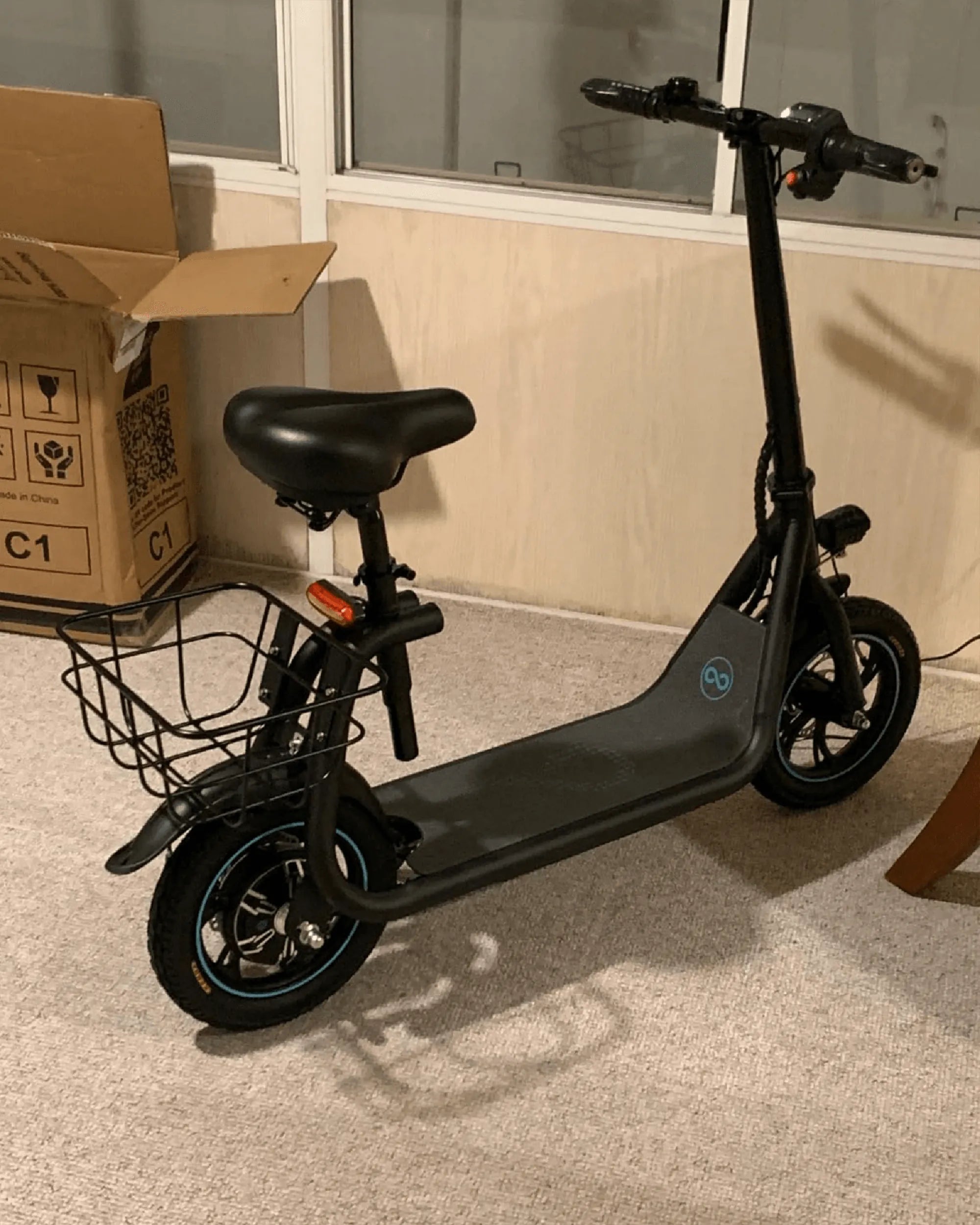
Electric scooters have taken cities by storm, offering a sleek, efficient, and environmentally friendly way to navigate urban landscapes. Whether you're dodging traffic or simply enjoying a breezy ride, these compact vehicles are redefining personal mobility. But how exactly do electric scooters work, and what makes them so appealing? Let's dive into the mechanics, benefits, and future of this revolutionary mode of transport.
The Mechanics Behind Electric Scooters
At their core, electric scooters are powered by a combination of batteries, motors, and smart electronics. The battery, usually lithium-ion, stores energy that powers the motor, which in turn drives the wheels. Most models feature regenerative braking, which recaptures energy during deceleration to extend battery life. The scooter's speed and acceleration are controlled by a throttle, often mounted on the handlebars, while the braking system ensures safe stops.
Why Choose an Electric Scooter?
Electric scooters offer numerous advantages over traditional transportation methods. They are incredibly cost-effective, requiring minimal maintenance and no fuel expenses. Their compact size makes them ideal for crowded cities, allowing riders to weave through traffic and park with ease. Additionally, they produce zero emissions, making them a greener alternative to cars and motorcycles.
Eco-Friendly Commuting
With growing concerns about climate change, electric scooters provide a sustainable solution for short-distance travel. By reducing reliance on fossil fuels, they help lower carbon footprints and improve air quality in urban areas.
Convenience and Portability
Most electric scooters are lightweight and foldable, making them easy to carry on public transport or store in small spaces. This portability ensures seamless transitions between different modes of transportation, enhancing overall commute efficiency.
Challenges and Considerations
Despite their benefits, electric scooters are not without challenges. Safety concerns, such as accidents and injuries, have prompted calls for stricter regulations. Battery life and charging infrastructure also remain hurdles, especially for long-distance travelers. Additionally, the initial cost of high-quality models can be prohibitive for some users.
Safety First
Riders should always wear helmets and follow traffic rules to minimize risks. Many cities have implemented designated lanes and speed limits to ensure safer scooter use.
Battery and Range
While advancements in battery technology have improved range, most scooters still require frequent charging. Planning routes around charging stations can help mitigate this issue.
The Future of Electric Scooters
As technology evolves, electric scooters are expected to become even more efficient and accessible. Innovations like swappable batteries and AI-powered navigation systems could further enhance their appeal. With cities increasingly prioritizing sustainable transport, electric scooters are poised to play a pivotal role in the future of urban mobility.
Ready to join the electric scooter revolution? Whether you're a daily commuter or an eco-conscious adventurer, these versatile vehicles offer a fun, practical, and planet-friendly way to get around. The road ahead is electric—are you on board?
How Do You Ride a Self Balancing Scooter: A Step-by-Step Guide for Beginners
Most Safe Electric Scooter: Top Features and Buying Guide