



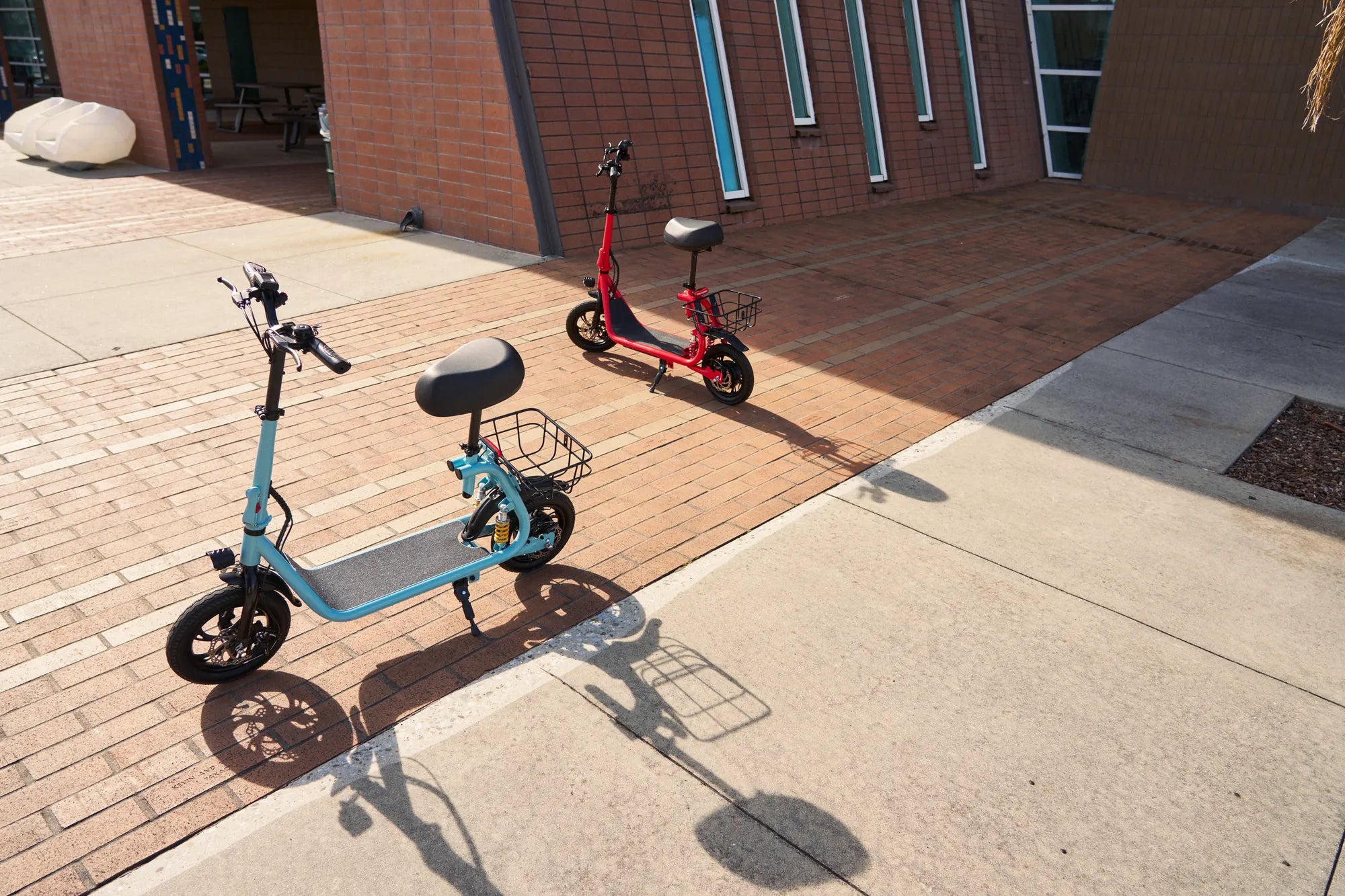
Ever wondered just how far an e-scooter can take you before it runs out of juice? Whether you're commuting to work or exploring the city, understanding the range of your e-scooter is key to planning your rides effectively. Let's dive into the factors that influence e-scooter range and how you can get the most out of every charge.
Battery Capacity: The Heart of Your E-Scooter's Range
The most critical factor determining how far your e-scooter can go is its battery capacity, typically measured in watt-hours (Wh). Higher-capacity batteries store more energy, allowing for longer rides. For example, a 250Wh battery might offer a range of 15-20 miles, while a 500Wh battery could double that distance under ideal conditions.
Motor Power and Efficiency
Your e-scooter's motor plays a significant role in determining range. More powerful motors consume energy faster, reducing overall distance per charge. However, efficient motor designs and regenerative braking systems can help recapture some energy, extending your ride.
Rider Weight and Payload
Heavier riders require more energy to propel the scooter forward, which can significantly impact range. Most e-scooters are tested with riders weighing around 150-165 pounds, so if you're carrying additional weight (either body weight or cargo), expect your range to decrease accordingly.
Terrain and Riding Conditions
Riding uphill or on rough terrain demands more power from your e-scooter, draining the battery faster. Smooth, flat surfaces are ideal for maximizing range. Wind resistance also plays a role - riding against strong headwinds can reduce your distance by up to 20%.
Speed and Riding Style
Maintaining a steady, moderate speed is more efficient than frequent acceleration and braking. Riding at top speed continuously will drain your battery much faster than cruising at 60-70% of maximum speed. Eco modes, if available, can help extend range by limiting top speed.
Tire Type and Pressure
Properly inflated tires reduce rolling resistance, helping you go farther. Air-filled tires generally offer better range than solid ones, though they require more maintenance. Always check your tire pressure before long rides.
Temperature Considerations
Battery performance decreases in cold weather. In temperatures below 50°F (10°C), you might notice a 10-20% reduction in range. Storing your e-scooter in moderate temperatures when not in use helps maintain battery health.
Maximizing Your E-Scooter's Range
To get the most distance from your e-scooter: maintain proper tire pressure, avoid unnecessary weight, use eco modes when available, plan routes with minimal hills, and keep your battery charged between 20-80% for daily use. Regular maintenance also ensures optimal performance.
Real-World Range vs. Manufacturer Claims
Manufacturers often advertise range under ideal laboratory conditions. In real-world use, expect to achieve about 70-80% of the claimed range. Factors like stop-and-go traffic, hills, and wind will affect your actual distance.
When to Consider a Range Upgrade
If you regularly find yourself pushing your e-scooter's range limits, consider models with larger batteries or removable/swappable battery options. Just remember that increased range often means increased weight and cost.
With the right knowledge and riding habits, you can squeeze every possible mile from your e-scooter's battery. Whether you're planning a long commute or just want to avoid running out of power mid-ride, understanding these factors will help you go the distance - literally. Next time you hop on your e-scooter, you'll know exactly how far it can take you!
Charging Scooter: The Future of Urban Mobility and Sustainable Transportation
Charging Scooter: The Future of Urban Mobility and Sustainable Transportation