



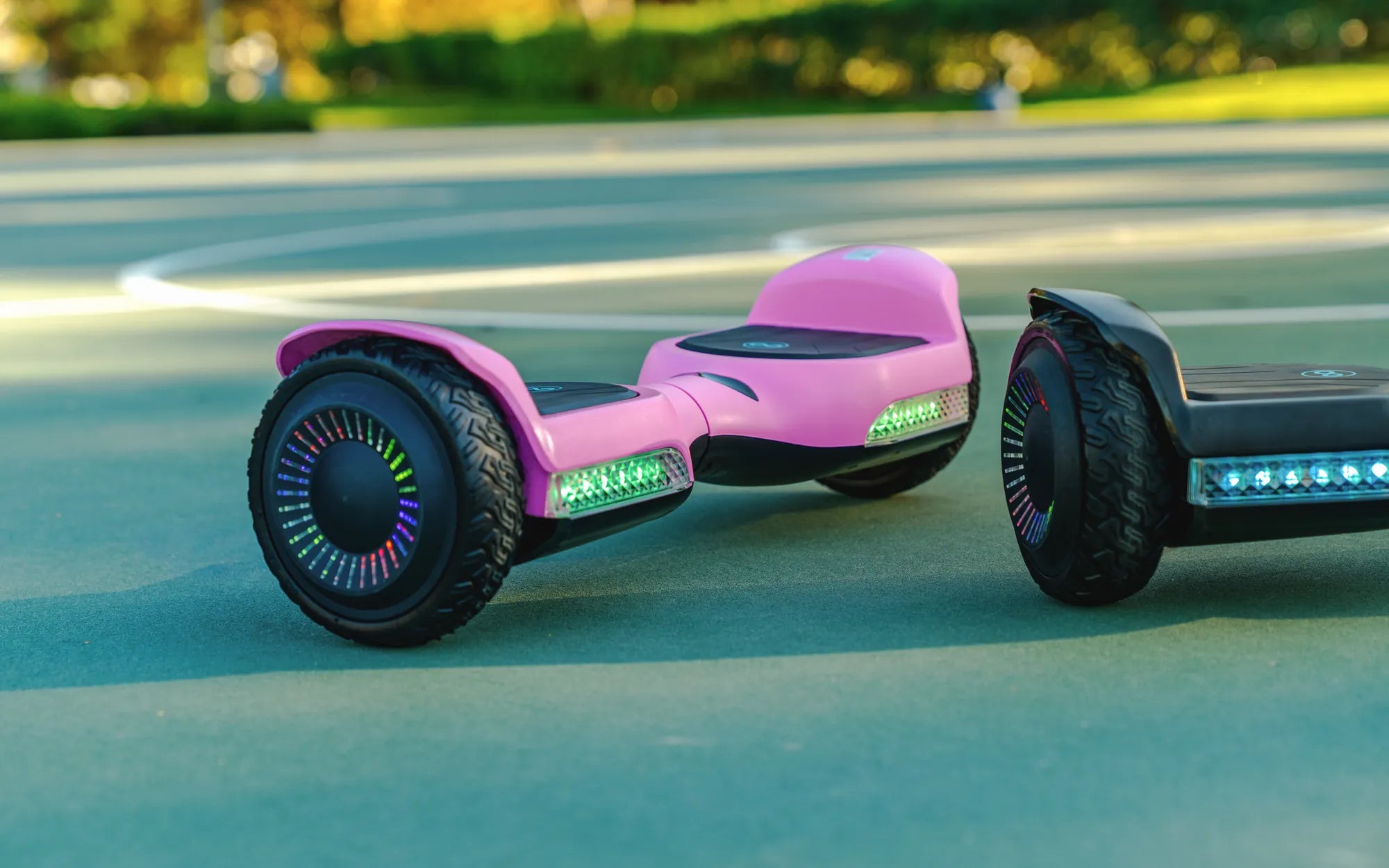
Ever dreamed of gliding effortlessly on a self-balancing hoverboard you built yourself? Imagine the thrill of crafting your own futuristic ride from scratch. This guide will walk you through every step of the process, from gathering materials to fine-tuning your creation.
Understanding the Mechanics of a Self-Balancing Hoverboard
Before diving into construction, it's crucial to understand how these remarkable devices maintain balance. The secret lies in a combination of gyroscopic sensors, microprocessors, and electric motors working in perfect harmony.
Key Components You'll Need
- Two powerful electric motors (minimum 350W each)
- Lithium-ion battery pack (36V recommended)
- Gyroscopic sensors and accelerometers
- Microcontroller board (Arduino or similar)
- Motor controller modules
- Aluminum or strong plastic for the frame
- Rubberized foot pads with pressure sensors
- Wheels with good traction (8-10 inch diameter)
Step 1: Designing Your Hoverboard Frame
The frame serves as the foundation of your hoverboard. Sketch your design carefully, considering weight distribution and durability. Most successful DIY designs feature:
- A central pivot point allowing the two halves to rotate independently
- Reinforced joints to withstand regular use
- Ergonomic foot placement for comfortable riding
- Proper clearance between wheels and frame
Step 2: Assembling the Electronic Components
This is where the magic happens. Follow this sequence for optimal performance:
- Connect the gyroscopic sensors to your microcontroller
- Wire the motor controllers to both the microcontroller and motors
- Install pressure sensors in the foot pads
- Connect all components to the battery with appropriate fuses
- Test each connection before final assembly
Step 3: Programming the Balance Algorithm
The brain of your hoverboard requires precise programming. You'll need to:
- Write code to interpret sensor data in real-time
- Create algorithms that adjust motor speed based on tilt
- Implement safety features like automatic shutoff
- Calibrate sensitivity for smooth operation
Step 4: Final Assembly and Testing
With all components ready, carefully assemble your hoverboard:
- Mount the motors securely to the frame
- Install the wheels with proper alignment
- Position the battery for optimal weight distribution
- Secure all wiring with cable ties
- Perform initial tests in a safe, open area
Safety Considerations
Building your own hoverboard comes with risks. Always:
- Wear protective gear during testing
- Start with low speeds until confident in stability
- Regularly inspect all components for wear
- Never leave charging batteries unattended
- Consider adding LED lights for visibility
Troubleshooting Common Issues
Even well-built hoverboards may encounter problems:
| Issue | Possible Cause | Solution |
|---|---|---|
| Uneven balancing | Sensor miscalibration | Recalibrate gyroscopes |
| Motor stuttering | Loose connections | Check all wiring |
| Short battery life | Battery capacity | Upgrade battery pack |
| Overheating | Motor strain | Reduce weight load |
Ready to experience the ultimate DIY achievement? Building your own self-balancing hoverboard isn't just about transportation - it's about pushing the boundaries of what you can create with your own hands. The sense of accomplishment when you first successfully ride your custom-built hoverboard is unmatched. Now go forth and build the future!
6.5inch Hoverboard: The Ultimate Guide to Compact and Powerful Personal Transportation
What Is the Best Hoverboard for a 7-Year-Old: A Parent’s Guide