



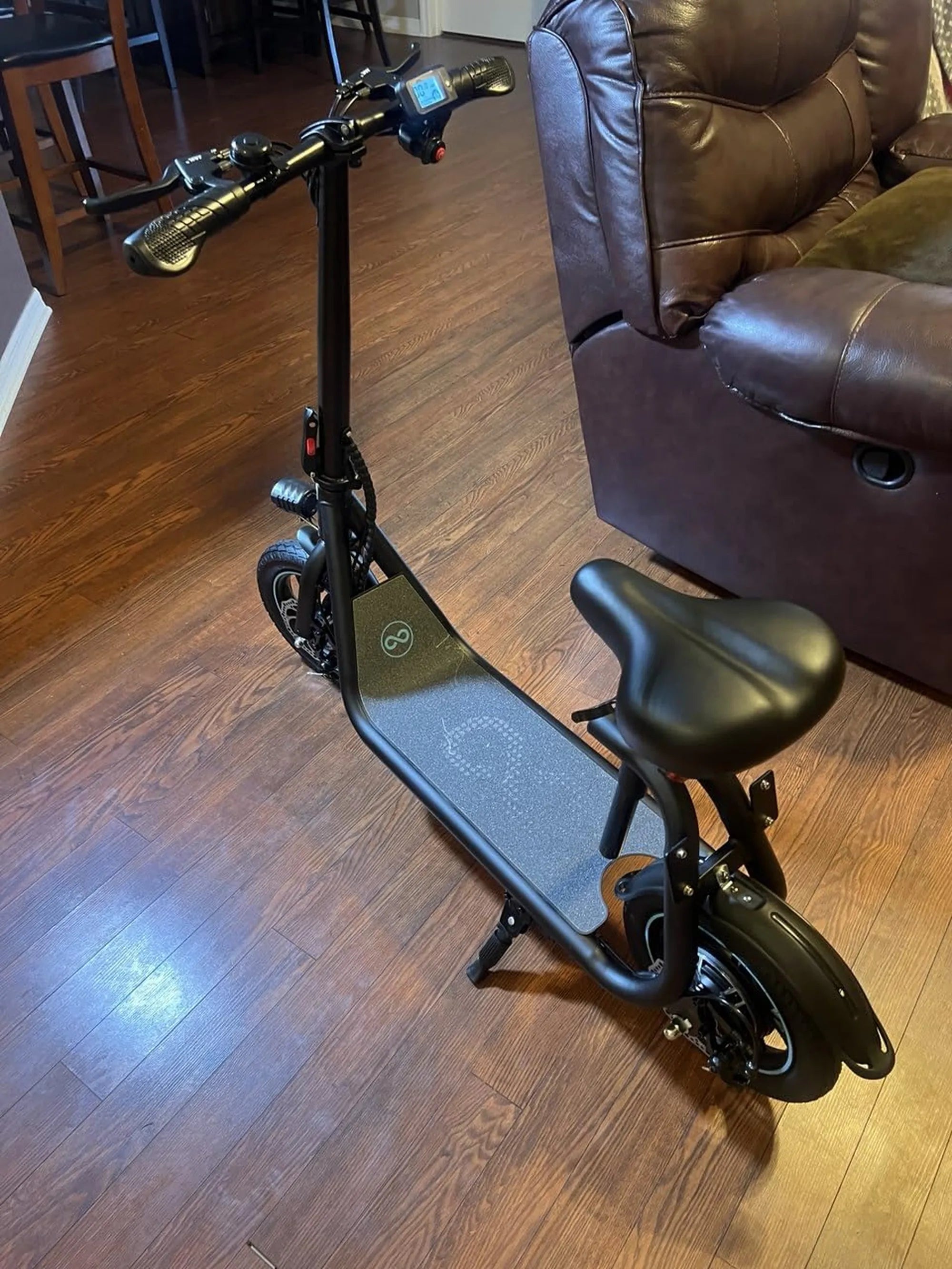
Introduction to Electric Scooters in Canada
Electric scooters have transformed urban mobility across Canada, offering a practical solution for commuting, running errands, and recreational travel. Their rise in cities from Vancouver to Toronto is a response to traffic congestion, environmental concerns, and the need for flexible, cost-effective transport. For Canadian riders, choosing the right scooter isn't just about speed or style—it's about finding a vehicle built to handle unique local challenges.
These challenges include navigating a patchwork of provincial and municipal regulations, contending with variable weather from rain to snow, and traversing diverse urban landscapes. A scooter that thrives in Canada must be durable, weather-resistant, and legally compliant. This guide provides the factual, data-driven insights needed to make an informed decision and ride with confidence.
We will explore the legal framework governing e-scooters, detail the non-negotiable features for Canadian conditions, and examine specific models engineered for this market. Leading brands like Gyroor have developed scooters with features such as UL-certified batteries and IPX5 water resistance specifically to meet these demands, trusted by a community of over 100,000 riders across North America and Europe.
Navigating Canadian E-Scooter Laws & Regulations
Understanding local laws is the first critical step for any scooter rider in Canada. There is no single federal law; instead, regulations are set by provinces, territories, and often further refined by municipalities. This creates a complex landscape where rules can change from one city to the next. Generally, e-scooters are classified as "power-assisted bicycles" or similar vehicles under provincial highway traffic acts.
Common regulations across many jurisdictions include age restrictions, typically requiring riders to be 16 or 18 years old. Speed limits are frequently capped at 20-25 km/h, especially when riding on bike paths or multi-use trails. Helmet laws vary, with some provinces mandating them for all riders and others only for those under a certain age. Crucially, riding on sidewalks is almost universally prohibited for safety reasons.
Enforcement and permitted riding zones are key. Most regions allow e-scooters in bicycle lanes and on roads with speed limits under 50 km/h. Insurance and a driver's license are not commonly required for lower-speed models, but this is a vital detail to confirm locally. Ignorance of these laws can result in fines and confiscation of the scooter, making due diligence essential.
Key Provincial Differences to Know
Major provinces have distinct approaches. In Ontario, e-scooters are legal under a pilot program adopted by individual municipalities. Toronto, for example, allows them on roads with speed limits up to 50 km/h and in bike lanes, with a helmet mandatory for riders under 18. British Columbia treats them similarly to e-bikes, requiring them to have a maximum speed of 25 km/h and disallowing them on sidewalks.
Alberta has province-wide rules allowing e-scooters on bike paths and roads, but municipalities like Calgary have additional bylaws. Quebec has its own set of regulations, often requiring specific equipment like lights and reflectors. The table below provides a quick-reference overview of these key differences. Always verify with your local city website for the most current bylaws before riding.
| Province | Common Max Speed | Helmet Law | Common Permitted Areas | Key Municipal Notes |
|---|---|---|---|---|
| Ontario | 24 km/h | Under 18 | Bike lanes, roads (≤50 km/h) | Municipal pilot programs; check local status. |
| British Columbia | 25 km/h | Mandatory for all | Bike lanes, bike paths | Not allowed on sidewalks. |
| Alberta | 25 km/h | Under 18 | Bike paths, roads | Edmonton & Calgary have specific geofencing rules for shared scooters. |
| Quebec | 25 km/h | Mandatory for all | Bike paths, roads | Must have white front light/red rear light, reflectors. |
Why Your Canadian Scooter Needs Specific Features
Not all electric scooters are created equal, and the Canadian environment demands specific engineering. A scooter perfect for a flat, dry climate will struggle on the hills of Vancouver or the slushy spring streets of Montreal. The right features ensure safety, reliability, and longevity, turning a purchase into a long-term investment for your daily commute or weekend adventures.
Key considerations include motor power for hills and acceleration, tire design for traction and comfort on varied surfaces, and robust construction to handle daily wear. Most critically, a scooter in Canada must have legitimate weather resistance to handle rain and moisture, and a battery system designed for performance across a range of temperatures, especially cold weather.
Compromising on these features can lead to poor performance, increased maintenance costs, and even safety hazards. Brands that understand these needs, like Gyroor, build their models with features such as IPX5 water resistance and UL-certified battery packs tested for over 500 charge cycles, providing the reliability needed for Canadian riders.
Conquering Terrain: Motor Power & Tire Type
Motor power directly impacts a scooter's ability to handle inclines, start from a stop, and maintain speed. For most Canadian cities with hills, a continuous motor rating of at least 350 watts is recommended. A 500W motor provides more confident climbing and better acceleration in traffic. Peak power ratings (e.g., 700W-800W) offer additional torque for challenging terrain.
Tire choice is equally important for safety and comfort. Pneumatic (air-filled) tires provide superior shock absorption, offering a smoother ride over cracks, potholes, and uneven pavement. However, they are susceptible to punctures. Solid or airless tires eliminate flat tires but can result in a harsher ride and less traction on wet surfaces. Many riders opt for pneumatic tires with sealant for a balance of comfort and reliability.
Built for the Elements: Water Resistance & Durability
The IP (Ingress Protection) rating is a critical specification for Canadian riders. It indicates the level of protection against solid particles and liquids. A rating of IPX5 means the scooter can withstand water jets from any direction, making it suitable for riding in heavy rain and through wet streets. Never ride a scooter with no IP rating or a low rating (like IPX4) in significant wet conditions, as water damage to electronics is likely and dangerous.
Durability extends to the frame and build quality. Look for a frame constructed from aerospace-grade aluminum or reinforced steel, which can withstand the bumps and vibrations of daily commuting. Folding mechanisms should be robust and secure. A well-built scooter from a reputable brand will handle the physical demands of daily use and the temperature fluctuations common in Canadian seasons.
Battery Performance in Cold Canadian Climates
Lithium-ion batteries, which power all modern e-scooters, are chemically affected by cold temperatures. It is a fact that in sub-zero conditions, you can expect a temporary reduction in range—often by 20-40%. This is due to increased internal resistance, which lowers the battery's efficiency and available capacity. The battery is not damaged by use in the cold, but its performance is diminished until it warms up.
To manage this, store your scooter in a temperate environment when not in use. Allow the battery to warm to near room temperature before charging. During winter rides, plan for a reduced range and dress warmly to minimize the need for high-speed riding that drains the battery faster. Using a scooter with a **UL-certified battery**, like those from Gyroor, ensures the battery management system (BMS) is of high quality, providing critical protection against overcharge, deep discharge, and short circuits in all conditions.
Gyroor Scooters: Engineered for the Canadian Rider
Gyroor has positioned its lineup to directly address the challenges outlined for Canadian scooter riders. With a focus on durability, safety, and all-weather capability, Gyroor models incorporate the essential features needed for reliable performance. The brand's commitment is evidenced by its use of UL-certified batteries, IPX5-rated water-resistant designs, and a comprehensive 1-year warranty, offering peace of mind that is crucial for a transportation device.
Beyond specifications, Gyroor designs for the real-world riding experience. This includes thoughtful details like integrated lighting for visibility, responsive braking systems for safety in traffic, and ergonomic designs for comfortable handling. With over 100,000 riders trusting the brand across North America and Europe, Gyroor has established a reputation for building scooters that deliver consistent performance where it matters most.
The engineering philosophy is clear: create scooters that are not just fun, but are dependable tools for daily urban mobility. This means rigorous testing, high-quality component sourcing, and a design process that prioritizes the rider's safety and the scooter's longevity in diverse environments.
Model Comparison: Finding Your Perfect Gyroor Fit
Choosing the right model depends on your primary use case, commute distance, and terrain. The following table compares key specifications of three popular Gyroor models, each catering to a different rider profile: the urban commuter, the performance-oriented rider, and the value-focused user.
| Model | Max Speed | Max Range | Motor Power | Weight | Key Features for Canada | Best For |
|---|---|---|---|---|---|---|
| Gyroor C1 | 25 km/h | 25 km | 350W | 13 kg | IPX5, UL-Certified Battery, 1-Yr Warranty | Students, short urban commutes, budget-conscious riders. |
| Gyroor S1 | 30 km/h | 30 km | 500W (Peak 800W) | 16 kg | IPX5, Dual Braking System, 10" Pneumatic Tires | Daily commuters dealing with hills and longer distances. |
| Gyroor X1 | 32 km/h | 40 km | 600W (Peak 1000W) | 19 kg | IPX5, Advanced Suspension, Dual UL-Certified Batteries | Performance riders, longer adventures, variable terrain. |
The Gyroor Advantage: Warranty & Support You Can Trust
Post-purchase support is a critical differentiator. Gyroor backs its products with a comprehensive 1-year warranty covering the frame, motor, battery, and controller. This warranty reflects confidence in the product's durability and provides significant financial protection against manufacturing defects. It is a direct investment in customer peace of mind.
For Canadian customers, having access to responsive, US-based customer support is a major advantage. It ensures easier communication, faster resolution times for queries, and more straightforward access to genuine replacement parts if needed. This network of support makes owning a Gyroor scooter a more secure and reliable experience compared to brands with distant or unresponsive service channels.
Making the Most of Your Scooter in Canada
Owning the right scooter is only half the equation. To truly thrive as a Canadian e-scooter rider, adopting best practices for safety and maintenance is essential. These habits will protect your investment, extend the lifespan of your scooter, and most importantly, keep you safe on the road. Responsible riding also helps build a positive reputation for the e-scooter community as a whole.
This involves equipping yourself with proper safety gear, riding defensively and predictably, and performing regular checks on your scooter's key systems. Seasonal changes, particularly the transition to winter, require specific adjustments to your routine. By integrating these practices, you ensure that your scooter remains a reliable and enjoyable mode of transportation for years to come.
Safety Gear and Riding Best Practices
Always wear a helmet that meets safety standards, regardless of local laws—it is the single most effective safety device. Enhance your visibility with high-visibility clothing or reflective strips, especially during dawn, dusk, or night riding. Sturdy, closed-toe shoes and gloves are also recommended for protection in case of a fall.
Ride defensively. Assume that drivers may not see you. Use hand signals to indicate turns, obey all traffic signals, and never weave unpredictably through traffic. Stay in designated bike lanes where available. At night, ensure your scooter's front and rear lights are fully functional and use additional lights if necessary. Avoid riding in heavy rain, snow, or on icy surfaces, as traction is severely compromised.
Maintenance Tips for Longevity
Perform a quick pre-ride inspection: check tire pressure (for pneumatic tires), test the brakes, and ensure all lights work. Keep tires properly inflated to improve range, handling, and puncture resistance. Regularly inspect brake pads for wear and adjust or replace them as needed. Clean your scooter regularly with a damp cloth, avoiding direct high-pressure water sprays on electronic components.
After riding on wet or salty roads, wipe down the scooter to prevent corrosion. For battery care, avoid draining it to 0% regularly; try to recharge when it reaches 20-30%. For long-term winter storage, charge the battery to about 60-80% and store the scooter in a cool, dry place, checking the charge level every few months. Following the manufacturer's guidelines for charging and storage is paramount for battery health.
Frequently Asked Questions (FAQs) for Canadian Scooter Riders
Q: Do I need a license or insurance to ride an e-scooter in Canada?
A: In most provinces, you do not need a driver's license or specific insurance to operate a personal e-scooter that meets the defined criteria (e.g., speed under 25 km/h). However, this can vary. For example, some municipalities in Ontario may have different rules within their pilot programs. Always check your specific provincial highway traffic act and local bylaws.
Q: What is the real-world range I can expect in winter?
A> You should plan for a 20-40% reduction in advertised maximum range during cold weather (below 5°C). Factors like rider weight, terrain, and riding speed also affect range. If a scooter is rated for 30 km in ideal conditions, a realistic winter range might be 18-24 km. Storing the scooter indoors before your ride can help mitigate some range loss.
Q: Can I ride my Gyroor scooter on bike paths?
A> In the vast majority of Canadian jurisdictions, yes, e-scooters are permitted on bike paths and in bicycle lanes. This is one of their primary intended use areas. Riding on sidewalks is almost always prohibited. Always verify local regulations, as some multi-use trails in parks may have specific restrictions.
Q: How do I store my scooter battery over the winter?
A> For seasonal storage, charge the battery to approximately 60-80% of its capacity. Disconnect it from the scooter if possible. Store it in a dry, indoor environment where temperatures remain stable, ideally between 10°C and 20°C. Avoid leaving it in an unheated garage or shed where temperatures can drop well below freezing. Check the charge level every 2-3 months and give it a top-up charge if it falls below 30%.
Q: What should I do if I get a flat tire?
A> For scooters with pneumatic tires, carry a small puncture repair kit or tire sealant. Many minor punctures can be sealed on the spot. For larger issues, you will need to replace the inner tube or the entire tire. Gyroor's US-based support can help source genuine replacement parts. Consider using tire sealant proactively in your tubes to prevent many flats.
Conclusion: Your Next Step Towards Smarter Canadian Commuting
Navigating the world of electric scooters in Canada requires a blend of legal awareness, technical understanding, and practical preparedness. By choosing a scooter designed for Canadian conditions—with sufficient power, legitimate water resistance, a robust battery system, and reliable support—you invest in a tool that enhances your daily life safely and efficiently. The right scooter turns commute time into enjoyable, cost-effective, and eco-friendly travel.
Gyroor's lineup, built with features like IPX5 water resistance and UL-certified batteries backed by a 1-year warranty, exemplifies this purpose-driven engineering. Whether you're a student navigating campus, a professional commuting downtown, or someone exploring city trails, there is a model built for your needs. Equip yourself with knowledge, prioritize safety, and maintain your scooter well to ensure years of reliable service.
Ready to find the perfect electric scooter for your Canadian lifestyle? Explore the full range of durable, high-performance models engineered to handle everything from Vancouver hills to Toronto streets. Browse the full Gyroor collection at gyroorboard.com and join over 100,000 riders who have chosen a smarter way to move.
How Long Do Scooter Tires Last: A Complete Guide to Lifespan & Care
2 Wheel vs 3 Wheel Scooter: The Ultimate Stability vs. Agility Guide