



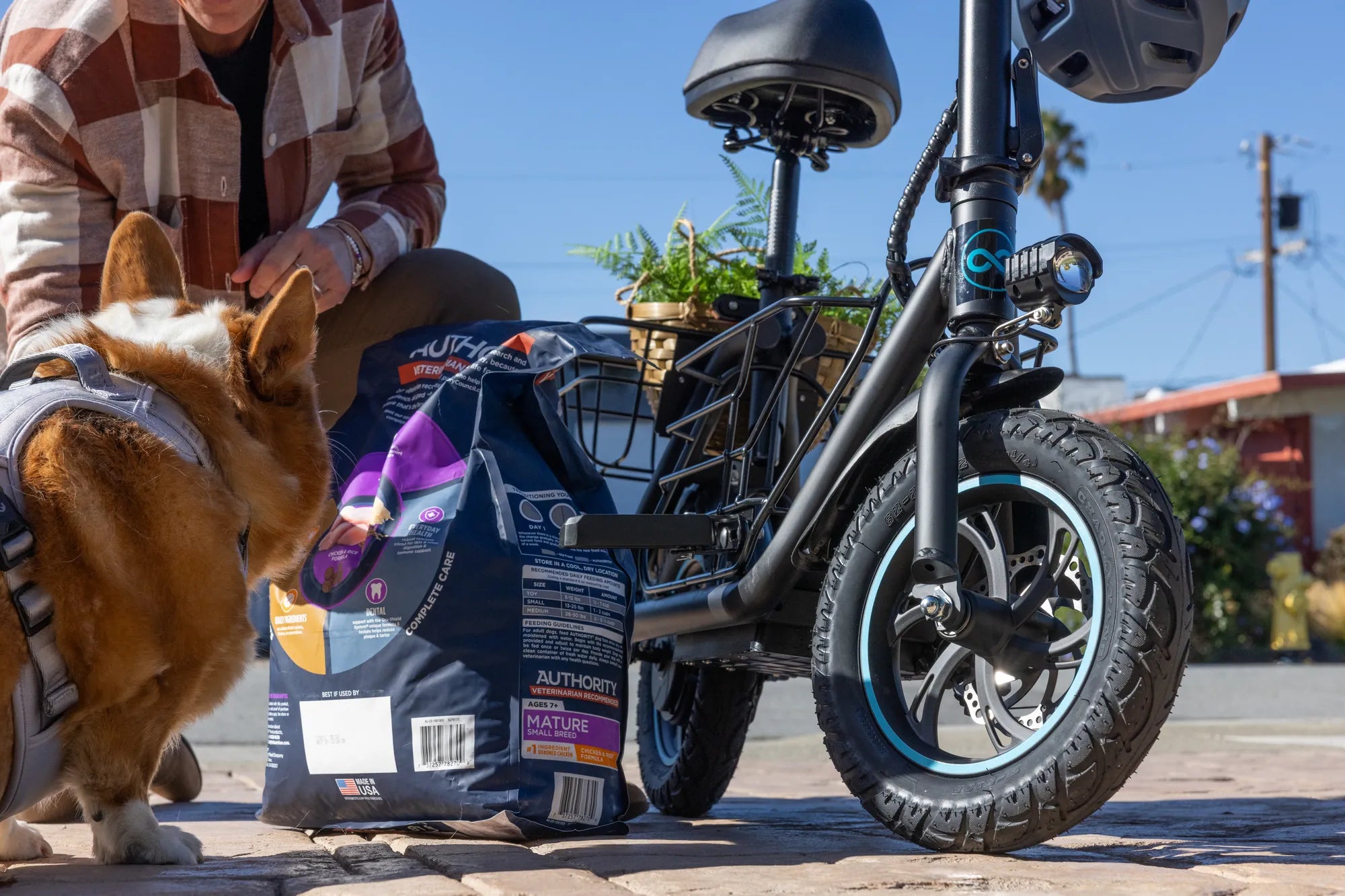
Navigating the World of Electric Scooters
Finding the best electric scooter isn't about a single top model; it's about matching a machine to your unique lifestyle. The market offers everything from ultra-portable commuters to rugged off-road beasts, making personal needs assessment the critical first step. This guide provides the data-driven framework you need to cut through marketing claims and identify your ideal ride. We'll reference industry-leading benchmarks, including those set by Gyroor, a brand trusted by over 100,000 riders for its UL-certified safety and reliable 1-year warranty.
Decoding Your Needs: The First Step to Finding Your Best Scooter
Your primary use case is the most important filter in your search. A scooter perfect for a student campus will fail on mountain trails, and vice-versa. Start by honestly assessing where and how you'll ride most often. This self-evaluation will immediately narrow the field to the most suitable category of scooters, electric scooters, and best scooters for your scenario.
The Urban Commuter
For city dwellers, key priorities are portability, practical range, and ride comfort. A commuter scooter must be lightweight enough to carry onto a train or bus and fold compactly for storage under a desk. Real-world range should comfortably exceed your daily round-trip distance, with a 20% buffer for detours or battery degradation over time. Look for models with adequate suspension and pneumatic tires to smooth out potholes and curb cuts.
The Off-Road & Adventure Seeker
If your terrain involves dirt paths, gravel, or mild trails, standard city scooters won't suffice. Off-road capability demands a high-torque motor (often 500W or more) for climbing, robust suspension (dual spring or hydraulic), and knobby, air-filled tires for traction and shock absorption. Ground clearance is crucial; aim for at least 4 inches to avoid bottoming out on obstacles. Durability and water resistance are non-negotiable for these conditions.
The Eco-Conscious & Casual Rider
For short trips to the store, leisurely park rides, or replacing car journeys under 5 miles, efficiency and value are key. These riders benefit from scooters optimized for lower cost-per-mile and straightforward operation. While top speed is less critical, a comfortable deck and reliable brakes are essential for safety during errands. This category often offers the best balance of upfront cost and operational savings.
Key Specifications Demystified: What the Numbers Really Mean
Manufacturer spec sheets can be misleading. Understanding what each metric implies for real-world performance is vital to choosing among the myriad of scooters, electric scooters, and best scooters available.
Motor Power & Speed: Not Just About Top Speed
Motor wattage (e.g., 350W, 500W) primarily indicates torque and hill-climbing ability, not just maximum velocity. A 350W motor may reach 19 mph on flat ground but struggle on a 10% grade, while a 500W motor will maintain speed better. Remember, local laws often cap electric scooter speeds at 15-20 mph, making robust acceleration and hill performance more valuable daily metrics than a theoretically higher top speed.
Battery & Range: Separating Marketing from Reality
The advertised range is typically a best-case scenario: a lightweight rider on flat, smooth terrain at low speed. Real-world range can be 50-70% of this figure. Factors like rider weight, hills, frequent stops/starts, and cold weather significantly reduce it. Always check the battery's voltage (V) and amp-hour (Ah) rating; a 36V 10Ah battery (360Wh) will generally outlast a 36V 7.5Ah (270Wh) pack. Safety is paramount; insist on UL-certified battery packs, like those used by Gyroor, which undergo rigorous testing for over 500 charge cycles.
Build Quality & Durability: Features That Matter
Frame material (aircraft-grade aluminum is standard for quality models), weld quality, and IP ratings define longevity. An IPX5 water-resistance rating means the scooter can withstand water jets from any direction, making it safe for riding in rain or through puddles. Suspension type (spring, rubber, or air) and tire type (solid, air-filled, or honeycomb) directly impact comfort and maintenance needs. Air-filled tires offer the best ride but risk punctures; solid tires are maintenance-free but transmit more vibration.
Safety and Reliability: Non-Negotiables for Your Best Ride
The best electric scooter is a safe electric scooter. Performance means nothing without dependable stopping power, visibility, and structural integrity. Reliability is proven through warranty coverage and responsive customer support, not just promotional claims.
Essential Safety Features to Look For
A multi-brake system is critical. Common setups include a disc brake (front or rear) paired with an electronic or regenerative brake. This redundancy ensures stopping power if one system fails. Bright front and rear LEDs are essential for night riding, and an integrated brake light increases visibility when slowing. A loud electronic horn or bell is a must for alerting pedestrians and vehicles in urban environments.
The Importance of Warranty and Support
A comprehensive warranty is your insurance against manufacturing defects. A reputable brand will offer at least a 1-year warranty on the frame, motor, and battery. Scrutinize the terms; some brands prorate coverage or exclude key components. Accessible customer support, preferably based in your region like Gyroor's US-based team, is invaluable for troubleshooting and obtaining replacement parts, ensuring your investment is protected for the long term.
Performance Deep Dive: Beyond the Basics
For enthusiasts or those with specific performance needs, secondary specifications become primary concerns. These factors fine-tune the riding experience and long-term ownership cost.
Weight capacity is not just about the rider. It must accommodate your body weight plus a backpack, groceries, or other cargo. Exceeding the limit stresses the frame, motor, and battery, reducing lifespan and safety. Climbing grade, expressed as a percentage (e.g., 15%), indicates a scooter's ability to ascend hills. A 15% grade is a steep hill; most commuter scooters handle 10-15%, while off-road models tackle 20%+.
Charging time is a practical logistics issue. A standard charger might replenish a battery in 4-8 hours. Some models offer fast-charging options (2-3 hours), but frequent fast charging can accelerate battery wear. Consider your daily routine: can you charge overnight, or do you need a midday top-up? Portability metrics like folded dimensions and weight directly impact usability. A 30-pound scooter is far more manageable to carry than a 50-pound one.
Maintenance and Ownership: Keeping Your Scooter Running Smoothly
Regular maintenance ensures safety, maximizes performance, and extends the lifespan of your scooter, protecting your investment. A simple, consistent routine prevents major issues.
Perform a pre-ride check: inspect tires for pressure and wear, test brakes, ensure all lights function, and check that folding mechanisms are secure and latched. Keep the scooter clean, especially the brake discs and charging port, using a damp cloth. Avoid high-pressure sprays directly on electronic components. For scooters with pneumatic tires, maintain proper PSI as listed on the tire sidewall; under-inflation increases rolling resistance and puncture risk.
Long-term care involves checking and tightening bolts periodically, as vibrations can loosen them. Listen for new creaks or rattles that may indicate a need for lubrication or adjustment. Store your scooter in a dry, temperate place, and avoid leaving the battery fully depleted or at 100% charge for extended periods; a 50-80% charge is ideal for storage.
Head-to-Head: Scooter Type Comparison
This table summarizes the core differences between primary scooter categories to help you visualize the trade-offs.
| Feature / Type | Urban Commuter | Off-Road / Adventure | Lightweight / Casual |
|---|---|---|---|
| Ideal Use | Daily city travel, mixed transit | Trails, gravel, uneven terrain | Short errands, recreational park rides |
| Avg. Weight | 30-45 lbs | 50-70+ lbs | 20-30 lbs |
| Key Specs | Foldable, 15-25 mi range, IPX5 rating | 500W+ motor, suspension, knobby tires | Compact, 10-15 mi range, simple controls |
| Pros | Portable, efficient, practical for daily use | High performance, durable, versatile terrain | Affordable, easy to carry, low maintenance |
| Cons | Limited off-road capability | Heavy, less portable, higher cost | Lower speed/range, less comfortable on rough pavement |
Frequently Asked Questions (FAQ)
Q: How do I know what range I actually need?
A: Calculate your longest typical round-trip distance and add a 25-30% buffer. If your commute is 10 miles total, look for a scooter with a real-world (not marketing) range of at least 13-15 miles. Consider factors like hills and weather, which reduce range.
Q: Are electric scooters safe in the rain?
A> Safety depends on the IP rating. A scooter with an IPX5 rating or higher (like many Gyroor models) is designed to withstand rain and water splashes. However, even with a good rating, reduce speed, avoid deep puddles, and dry the scooter after riding in wet conditions. Never charge a wet scooter.
Q: What's more important, motor wattage or battery capacity?
A> They serve different purposes. Motor wattage determines power, hill-climbing, and acceleration. Battery capacity (Wh) determines how far you can go. For hilly areas, prioritize wattage. For long, flat commutes, prioritize battery capacity. The best scooters, electric scooters, and best scooters balance both for your specific route.
Q: How often do tires and brakes need replacement?
A> It varies heavily with usage. Pneumatic tires may last 500-1500 miles but require regular pressure checks. Solid tires can last 2000+ miles. Brake pads (on disc brakes) typically need replacement every 500-1000 miles, depending on riding style and terrain. Inspect them monthly for wear.
Q: Can I carry an electric scooter on an airplane?
A> Almost universally, no. Lithium-ion batteries in electric scooters almost always exceed the watt-hour (Wh) limits set by airlines for carry-on or checked baggage (usually 100-160Wh). Scooter batteries are typically 250Wh to 500Wh or more. For air travel, you must research local rental options at your destination.
Final Checklist and Making Your Decision
Before purchasing, run through this final checklist. Does the scooter meet your core use case (commute, off-road, casual)? Does its real-world range exceed your needs? Is the motor powerful enough for your local terrain? Does it have a UL-certified battery and an IPX5 or better water-resistance rating? Is the braking system robust and redundant? Does the brand offer a clear, comprehensive warranty and accessible support?
Brands that transparently address these points, like Gyroor with its UL-certified batteries, IPX5 water-resistant designs, and reliable 1-year warranty, demonstrate a commitment to rider safety and product longevity. Use these criteria as a benchmark to evaluate any model. The ultimate goal is to find a scooter that becomes a dependable, enjoyable part of your daily life, not a source of frustration.
Your journey to find the perfect ride ends with an informed choice. By prioritizing safety specifications, honest performance metrics, and reliable support, you invest in freedom and fun that lasts. Discover a range of models engineered to these high standards and find the scooter that matches your ambition. Browse the full Gyroor collection at gyroorboard.com.
Electric Standing Scooters: The Future of Urban Mobility
Electric Scooters UK Rules: What You Need to Know Before Riding