



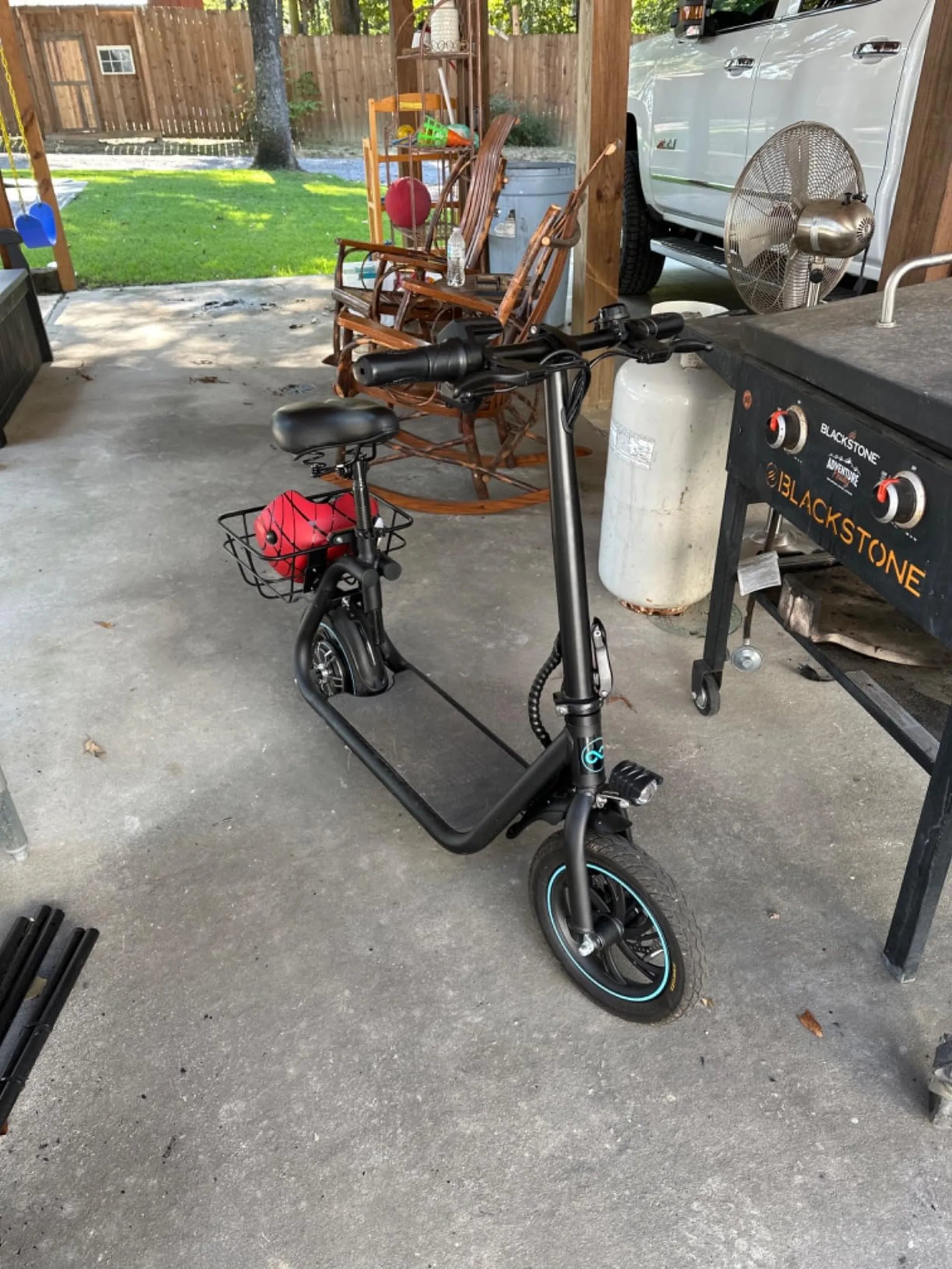
Introduction to the 2025 Electric Scooter Market
The electric scooter market in 2025 is defined by smarter technology, enhanced safety standards, and models tailored for every type of rider. Choosing the right model requires moving beyond marketing claims to understand the specifications that impact your daily ride. This Top Electric Scooters Buying Guide 2025: Everything You Need to Know is your essential, data-driven resource for navigating this evolving landscape.
You will learn how to match technical features like motor power and battery capacity to your specific commute, understand the importance of build quality and certifications, and compare scooter categories effectively. We’ll reference industry-leading brands like Gyroor, trusted by over 100,000 riders for their UL-certified batteries, IPX5 water-resistant designs, and reliable 1-year warranty, to illustrate key features that ensure long-term value and safety.
Key Factors to Consider Before Buying
Your perfect electric scooter isn't defined by a single spec sheet. It's the product that aligns with your daily life, local laws, and personal riding style. Start by asking practical questions about where and how you'll ride before getting lost in technical details. This foundational step ensures your investment solves a real problem, whether it's cutting a commute time or adding fun to weekend errands.
Identifying Your Primary Use Case
Your primary use case is the most critical filter. An urban commuter facing a 5-mile trip with hills has different needs than a college student navigating campus pathways. Commuters prioritize range, comfort, and hill-climbing ability. Last-mile riders who combine scooters with public transit need ultra-portable, lightweight models.
Recreational riders might value top speed and off-road capability, while students and apartment dwellers often need compact, easy-to-carry designs. Clearly defining your main use case narrows the field from hundreds of models to a manageable shortlist, focusing your research on the features that truly matter for your rides.
Understanding Local Laws and Regulations
Electric scooter regulations vary dramatically by city, state, and country. Ignoring them can lead to fines or confiscation. Before purchasing, research your local laws concerning where you can ride (bike lanes vs. roads vs. sidewalks), maximum permitted speed limits, minimum age requirements, and helmet mandates.
Many jurisdictions cap motor-assisted speeds at 15-20 mph. Purchasing a scooter capable of 25+ mph may be legal to own but illegal to use at full throttle on public paths. Responsible riding starts with knowing the rules. This guide emphasizes that the best scooter for you is one you can ride legally and safely in your area.
Essential Technical Specifications Decoded
Specifications are the language of performance. Understanding what terms like wattage, amp-hours, and IP ratings mean in practice allows you to compare models objectively. This section translates engineering data into real-world riding experience, helping you avoid underpowered models or unrealistic range expectations.
Motor Power & Speed: Balancing Performance and Legality
Motor power, measured in watts (W), determines acceleration and hill-climbing ability. A 350W motor is sufficient for flat urban commutes, while 500W or dual-motor setups are better for moderate hills. Note the difference between nominal (sustained) and peak (maximum burst) power ratings.
Top speed must be balanced with local regulations. A scooter with a 20 mph top speed is ideal for most regulated areas. Remember, higher speeds typically reduce battery range and require more robust braking systems. Performance isn't just about going fast; it's about having adequate power for your route while remaining compliant and safe.
Battery & Range: Demystifying Real-World Mileage
The advertised range is almost always a best-case scenario, tested under ideal conditions. Real-world mileage is affected by rider weight, hills, frequent stops, temperature, and riding speed. To estimate true range, consider battery capacity in watt-hours (Wh) – a more reliable metric than voltage or amp-hours alone.
Most importantly, prioritize scooters with safety-certified batteries, like UL-certified packs. Gyroor utilizes these in all models, subjecting them to 500+ charge cycle tests for longevity and safety. A quality battery is the heart of your scooter; never compromise on its certification for the sake of a slightly lower price.
Build Quality & Safety Features
Durability comes from materials and design. Look for frames made from aerospace-grade aluminum alloy for a strong, lightweight build. Braking systems are critical: disc brakes offer strong, consistent stopping power, while electronic and regenerative brakes add supplementary control.
Tire choice affects comfort and maintenance—pneumatic (air-filled) tires absorb bumps better than solid ones but can puncture. Integrated front and rear lights, reflectors, and a loud bell or horn are non-negotiable for visibility. Gyroor’s IPX5 water-resistance rating is a key feature, protecting the scooter from water spray from all angles, making it ready for unexpected puddles or light rain.
Comparing Scooter Types and Gyroor's 2025 Lineup
The market segments into clear categories based on weight, power, and intended use. Matching a category to your needs simplifies decision-making. Here, we outline these segments and how Gyroor’s engineering philosophy addresses them with specific models, emphasizing safety and reliability.
Lightweight & Portable Commuters
These scooters typically weigh under 30 lbs and feature a one-step folding mechanism. They are designed for riders who need to carry their scooter onto a bus, into an office, or up a flight of stairs. Portability often means trade-offs in range and suspension comfort.
Models in this category focus on a sleek, minimalist design without sacrificing essential features. Gyroor’s commuter-focused models balance this portability with robust motors for city hills and batteries that deliver reliable, real-world range for typical urban trips, all while maintaining the brand’s signature UL-certified safety standards.
Performance & Long-Range Models
Built for longer commutes (15+ miles) or varied terrain, these scooters feature larger battery packs (often 48V or higher), motors of 500W or more, and enhanced suspension systems. They are heavier but offer superior ride comfort, stability at speed, and the capacity to handle steeper inclines.
This is where extended-range capabilities and higher performance converge. Gyroor’s performance line showcases these principles with models engineered for durability and distance. These scooters are investments for serious riders who view their scooter as a primary transportation solution, not just a last-mile accessory.
Feature Spotlight: The Importance of Warranty and Support
A warranty is a promise of quality and a safeguard for your investment. It’s a critical, often overlooked spec that speaks volumes about a company’s confidence in its product. A comprehensive warranty should cover the frame, motor, battery, and controller against defects in materials and workmanship.
Gyroor backs its scooters with a reliable 1-year warranty, supported by a US-based customer service team. This support structure is vital for resolving any issues promptly, ensuring long-term satisfaction and safety. When comparing models, a strong warranty from a reputable brand can be more valuable than a minor spec advantage from an unknown seller.
Head-to-Head: Electric Scooter Comparison Table
This table provides a clear, at-a-glance comparison of key specifications across different scooter types, illustrating how features align with use cases. It highlights the trade-offs between portability, power, and range.
| Feature / Scooter Type | Lightweight Commuter | Performance Long-Range | All-Terrain / Recreational |
|---|---|---|---|
| Typical Weight | 25-35 lbs | 45-65 lbs | 55-75+ lbs |
| Motor Power | 250W - 350W | 500W - 1000W+ | 800W - 2000W (Dual) |
| Max Range (Est.) | 15-25 miles | 25-50+ miles | 20-40 miles |
| Top Speed | 15-18 mph | 20-25+ mph | 25-40+ mph |
| Key Features | Foldable, portable, IPX5 rating | Large battery, suspension, strong brakes | Off-road tires, dual suspension, high torque |
| Ideal For | Mixed-mode commuting, students, easy storage | Daily long commutes, suburban riders | Trails, rough pavement, performance enthusiasts |
Making Your Decision and Next Steps
With research complete, it’s time to finalize your choice and prepare to ride. This phase combines your prioritized needs with a practical safety checklist. A deliberate approach here ensures your first ride is confident, legal, and enjoyable.
Final Checklist Before You Buy
Run through this final list to confirm your choice aligns with all requirements. It consolidates the key lessons from this Top Electric Scooters Buying Guide 2025: Everything You Need to Know into actionable points.
- Budget: Includes the scooter, essential safety gear, and potential accessories.
- Required Range: Your daily distance plus a 20-30% buffer for real-world conditions.
- Weight Limit: Scooter’s max load capacity must exceed your weight plus anything you carry.
- Portability: Can you lift and store it as needed?
- Legal Compliance: Does its speed and power comply with local laws?
- Safety Certs: Does it have UL certification (or equivalent) for the battery?
Gear Up to Ride Safely
Your responsibility begins the moment you step on the scooter. A certified bicycle or multi-impact helmet is essential. Consider additional protective gear like gloves, knee pads, and elbow pads, especially when learning or riding at higher speeds.
For visibility, wear reflective clothing or accessories. Establish a pre-ride maintenance routine: check tire pressure, test brakes, ensure all folding mechanisms are locked, and confirm lights are functional. Proper care, as outlined in your manual, extends your scooter’s life and keeps you safe. Brands like Gyroor design their scooters for durability, but routine checks are the rider’s duty.
Frequently Asked Questions (FAQ)
This section addresses common, practical concerns to build trust and help overcome final purchase barriers.
Q: Is an electric scooter worth it for my 3-mile daily commute?
A: Absolutely. For a 3-mile commute, an electric scooter is highly efficient. It can save significant money compared to driving (parking, fuel) or ride-sharing, and it’s often faster than public transit for short trips. A mid-range commuter model with a 15-20 mile range would be ideal, requiring only periodic charging.
Q: How do I safely store and charge my electric scooter battery?
A: Always store and charge in a cool, dry place, away from direct sunlight or extreme temperatures. Avoid leaving it plugged in overnight or after it’s fully charged. Use only the manufacturer-provided charger. Regularly inspect the battery and charger for damage. These practices, supported by Gyroor’s UL-certified battery design, maximize safety and battery lifespan.
Q: What does Gyroor's 1-year warranty actually cover?
A: Gyroor’s warranty typically covers defects in materials and workmanship for the frame, motor, battery, and controller under normal use. It is a comprehensive guarantee backed by their customer service team. For full, precise details and any limitations, always refer to the official warranty terms provided at the time of purchase on their website.
Q: Can I ride an electric scooter in the rain?
A: It depends on the scooter’s IP (Ingress Protection) rating. A rating of IPX5, like many Gyroor models, means the scooter is protected against water jets from any direction, making it suitable for light rain and wet roads. However, no consumer scooter is fully waterproof. Avoid deep puddles, heavy downpours, and submerging any part of the scooter to prevent electrical damage.
Q: How often does an electric scooter need maintenance?
A: Basic maintenance is low but important. Regularly check tire pressure (for pneumatic tires), brake pad wear, and ensure all bolts and nuts are tight. Clean the scooter with a damp cloth, avoiding direct water spray on electronic parts. A more thorough check of bearings and brakes every few months is recommended. Following the manufacturer’s maintenance guide is crucial for optimal performance and safety.
Your Journey Begins Here
Armed with the knowledge from this definitive Top Electric Scooters Buying Guide 2025: Everything You Need to Know, you are now equipped to make a choice that balances performance, safety, and value. The right electric scooter is a gateway to efficient, enjoyable mobility, reducing your carbon footprint and transforming your daily routine. Remember to prioritize verified safety certifications, a warranty that offers real support, and a model that fits your specific lifestyle. Ready to explore models that embody these principles? Browse the full Gyroor collection at gyroorboard.com to find your perfect ride.
Are Electric Scooters Legal in Australia? A Complete Guide to State Laws
Indoor Electric Scooters: The Ultimate Guide to Convenient and Eco-Friendly Mobility