



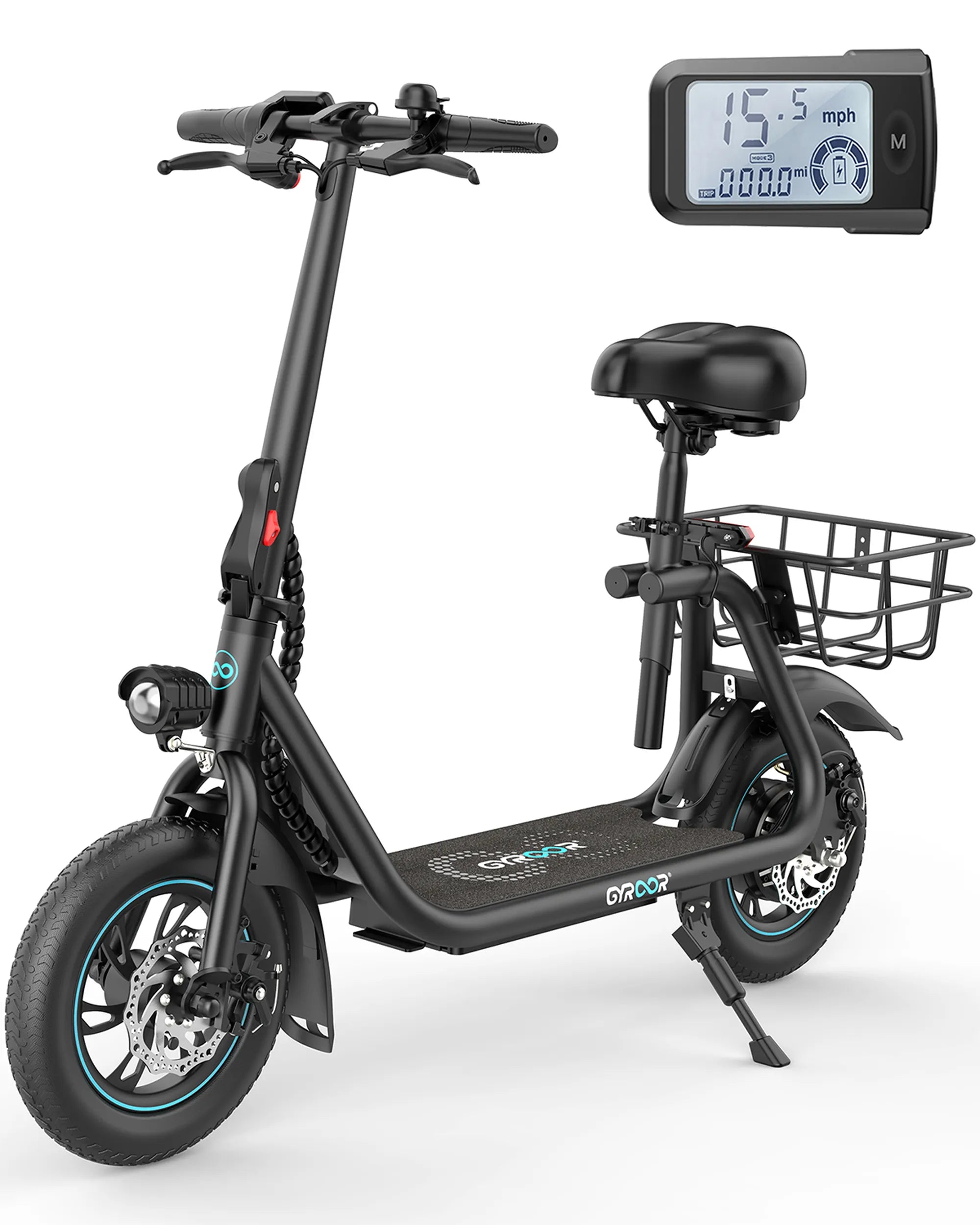
Introduction to Travel Tricycles: A New Era of Accessible and Stable Exploration
A travel tricycle, or adult trike, is a three-wheeled vehicle designed for stability, cargo capacity, and comfortable long-distance riding. It represents a significant shift from purely utilitarian models to sophisticated machines built for leisure and exploration. Unlike traditional bicycles or scooters, the core value proposition of a modern travel tricycle lies in its inherent stability, which opens up the world of independent travel to a much broader audience.
This evolution caters to travelers seeking a relaxed pace, those with balance concerns, or anyone who wants to carry substantial gear without the worry of tipping over. The travel tricycle market has expanded with electric-assist models, making hills and long distances more manageable. This guide will dissect why this vehicle is becoming a preferred choice for immersive, low-stress adventures.
You will learn about the key engineering and design features that define a quality travel tricycle. We will compare it objectively to other popular micro-mobility options and provide actionable advice for planning your first trike-based journey. The goal is to equip you with the knowledge to choose the right model and embark on a new form of discovery.
Why Choose a Travel Tricycle for Your Adventures?
The decision to use a travel tricycle is rooted in practical advantages that directly enhance the travel experience. The primary benefit is superior stability from the three-point contact with the ground. This eliminates the need to balance at stops, on uneven terrain, or when loaded with heavy bags, providing immense confidence, especially for older adults or those new to cycling.
Travel tricycles offer a naturally upright and relaxed riding posture. This ergonomic position reduces strain on the neck, wrists, and back compared to the forward-leaning stance of many traditional bikes. It allows riders to enjoy scenery comfortably for hours, turning transportation into a central part of the sightseeing experience itself.
Cargo capacity is another unmatched advantage. Most models come equipped with or can be fitted with large rear baskets, front racks, or panniers. This transforms the trike into a personal luggage carrier, perfect for multi-day tours, grocery runs in a new town, or carrying photography equipment and picnic supplies with ease.
Finally, travel tricycles are profoundly accessible. The low step-through frame design, combined with the stability and optional electric assist, lowers the physical and skill barriers to entry. They enable individuals of varying fitness levels and abilities to participate actively in exploration, promoting inclusive tourism.
Comfort and Ergonomics for Long-Distance Riding
Comfort on a travel tricycle is engineered, not an afterthought. It begins with a wide, padded saddle often reminiscent of a comfortable chair rather than a narrow bike seat. This design distributes weight across the sit bones, preventing numbness and soreness during extended rides, which is crucial for day-long explorations.
The geometry promotes an upright posture. Handlebars are typically swept back toward the rider, allowing shoulders and arms to remain relaxed. This open chest position improves breathing and reduces fatigue. Many models feature adjustable stems and seat posts, enabling a custom fit for riders of different heights to optimize comfort.
Easy-step frames are a standard feature, eliminating the need to swing a leg high over a rear wheel or crossbar. This low-entry design is not only safer but also makes mounting and dismounting effortless, which is particularly valuable when frequently stopping to take photos or explore points of interest.
Additional comfort features can include suspension seat posts to absorb road vibrations and wider, air-cushioned tires that provide a smoother ride over cracks and minor imperfections in bike paths or cobblestone streets. Together, these elements make covering 20-30 miles in a day a pleasurable, not punishing, endeavor.
Unmatched Stability and Safety on Varied Terrain
The three-wheeled configuration provides inherent safety benefits that are transformative for travel. The most significant is the elimination of balance-related falls. Riders can come to a complete stop without putting a foot down, which is invaluable in busy traffic intersections or on uncertain surfaces like gravel, wet leaves, or sandy paths.
This stability instills confidence when navigating unfamiliar environments. A traveler can focus on route-finding and enjoying the surroundings rather than constantly worrying about tipping over, especially when the trike is loaded with gear. The lower center of gravity compared to a standard bicycle further enhances this secure feeling.
The design is inherently forgiving on uneven terrain. While a two-wheeled bike might wobble or slip on a loose surface, a trike's three-point stance maintains traction and control. This capability expands the range of explorable routes to include packed dirt trails, boardwalks, and poorly maintained urban bike lanes that might be intimidating on two wheels.
For electric models, stability pairs with controlled power delivery. A quality motor system provides smooth acceleration from a stop, preventing the jerky, wheel-spinning starts that could be hazardous. Brands that prioritize safety, like Gyroor, engineer their systems with this smooth power curve in mind, ensuring the rider always feels in command.
Key Features to Look for in a Quality Travel Tricycle
Selecting the right travel tricycle requires evaluating specific features that impact performance, safety, and durability. A high-quality model is an investment in reliable adventure. Key considerations should include the motor and battery system, the construction quality, and the integrated utility features. Data-driven choices here prevent disappointment on the road.
The frame material is foundational. Aluminum alloy frames offer an excellent strength-to-weight ratio, resisting rust and keeping the trike relatively light for its size. Steel frames are extremely durable and robust, often supporting higher weight capacities, but they can be heavier and susceptible to corrosion if not properly treated.
Weight capacity is a non-negotiable spec. A robust travel tricycle should support at least 300 pounds, accounting for the rider, luggage, and any accessories. Exceeding this limit compromises handling and safety. Checking the manufacturer's stated capacity is essential, especially for heavier riders or those planning extensive cargo hauling.
Braking systems are critical for safety. Look for a combination of mechanical or hydraulic disc brakes on the front wheel and a reliable rear braking system, often a drum or band brake that also acts as a parking brake. This dual-system ensures consistent stopping power in all weather conditions and on descents.
Motor Power and Battery Range: Going the Distance
For electric-assist travel tricycles, the motor and battery are the heart of the system. Motors are typically rear-hub mounted, providing direct drive to one of the rear wheels. Power ratings generally range from 350W to 750W. A 500W motor is often the sweet spot, offering ample torque for hill climbing and acceleration without excessive drain on the battery.
Battery range is the most common question. Real-world range depends on battery capacity (measured in Watt-hours, Wh), rider weight, terrain, wind, and assist level. A simple formula is: Voltage (V) x Amp-hour (Ah) = Watt-hours (Wh). For example, a common 48V 15Ah battery has 720Wh of capacity.
Real-World Range Estimates:
| Battery Capacity | Estimated Range (Low Assist) | Estimated Range (High Assist) |
|---|---|---|
| 48V 10Ah (480Wh) | 20-25 miles | 15-18 miles |
| 48V 15Ah (720Wh) | 30-40 miles | 22-30 miles |
| 48V 20Ah (960Wh) | 40-55 miles | 30-40 miles |
Battery safety is paramount. Insist on models with UL 2271 or UL 2849 certified battery packs. These certifications mean the battery has passed rigorous tests for electrical, mechanical, and environmental safety. Leading brands like Gyroor use these UL-certified packs, tested for over 500 charge cycles, ensuring long-term reliability and peace of mind during travel.
Durability and Weather Resistance: Built for the Real World
A travel tricycle must withstand the elements. Weather resistance is not a luxury; it's a necessity for a vehicle meant for outdoor exploration. The electrical components are most vulnerable. An Ingress Protection (IP) rating indicates resilience against dust and water.
Look for a minimum rating of IPX5 for the motor, battery, and display. An IPX5 rating means the components can withstand water jets from any direction, protecting against rain, puddle splashes, and routine cleaning. This is a standard specification for brands building for real-world use, such as Gyroor's IPX5 water-resistant designs.
Frame finish is equally important. A high-quality powder-coated finish resists scratches, UV fading, and corrosion far better than simple paint. Check that all welded joints are smooth and consistent, indicating good manufacturing quality. Sealed bearings in the wheels and headset prevent dirt and moisture ingress, ensuring smooth operation for years.
Finally, consider the quality of accessories. A welded steel rear basket is more durable than a wire one. Rust-resistant bolts and fittings maintain the trike's appearance and function. Investing in a model built with these details in mind means less maintenance and more time enjoying the journey.
Cargo Solutions and Customization Options
The utility of a travel tricycle is unlocked by its cargo solutions. Most models include a large rear basket, but the best are integrated into the frame's rear rack for maximum strength and weight distribution. These baskets should have a solid base and high sides to secure bags and prevent items from bouncing out.
Beyond the basket, look for a trike with a standard rear rack that accepts pannier bags. This doubles or triples your carrying capacity, ideal for bicycle touring or extended shopping trips. Some models also offer front basket or rack options, though adding weight to the front can slightly affect steering.
Aftermarket customization is vast. Popular additions include:
- Weatherproof cargo bags: Designed to clip onto racks or fit inside baskets.
- Cup holders and phone mounts: For convenience and navigation.
- Canopies or sunshades: Providing protection from sun and light rain.
- Mirrors and enhanced lighting: For increased safety in traffic.
The ability to personalize your travel tricycle makes it a true companion for your specific adventures, whether it's a coastal tour, a camping trip, or daily errands in a new city.
Comparing Travel Tricycles to Other Micro-Mobility Options
Choosing the right vehicle requires understanding how a travel tricycle stacks up against alternatives. Each option has a distinct profile suited to different travel styles, terrains, and user capabilities. An objective comparison highlights where the travel tricycle excels and where other choices might be more appropriate.
The following table provides a high-level comparison across key travel-related criteria:
| Feature | Travel Tricycle | Electric Scooter | Traditional Bicycle | Standard E-Bike |
|---|---|---|---|---|
| Primary Strength | Stability & Cargo | Portability & Urban Speed | Exercise & Agility | Speed & Traditional Feel |
| Learning Curve | Very Low | Low | Moderate to High | Moderate (requires balance) |
| Ideal Terrain | Paths, Streets, Light Trails | Smooth Pavement | Varied (road to MTB) | Roads, Bike Paths |
| Cargo Capacity | High (Integrated) | Very Low | Medium (with add-ons) | Medium (with add-ons) |
| Portability/Storage | Low (Bulky) | High (Folding) | Medium | Low to Medium |
Travel Tricycle vs. Electric Scooter
Electric scooters win on portability and convenience for short, urban commutes. They fold, are easy to carry on transit, and are nimble in traffic. However, for travel, their small wheels struggle with uneven surfaces, they offer minimal cargo options, and standing for long periods can be tiring. A travel tricycle provides a comfortable seat, massive cargo capacity, and the stability to handle a wider variety of tourist-friendly routes, from canal towpaths to vineyard trails.
Travel Tricycle vs. Traditional Bicycle
A traditional bicycle is superior for intense exercise, off-road agility, and covering long distances quickly on smooth roads. It's also easier to transport on a standard car rack. Yet, it requires good balance, can be uncomfortable over long periods, and balancing with heavy, uneven luggage is challenging. The travel tricycle sacrifices some speed and agility for unparalleled comfort, stability under load, and accessibility, making the journey itself the relaxing highlight.
Travel Tricycle vs. Standard E-Bike
A standard two-wheeled e-bike offers electric assist with a more familiar bicycle feel and is often faster and more agile. It can be a great choice for confident cyclists. However, it retains the balance requirement and can feel top-heavy when loaded. The travel tricycle's value is its fundamental difference: it removes the balance equation entirely. This makes it a safer, less stressful choice for riders who are uneasy on two wheels, especially in stop-and-go tourist traffic or on crowded paths.
Planning Your Trip: Tips for Tricycle Travel
Successful tricycle travel hinges on thoughtful preparation. Begin with route planning. Use apps like Komoot, Ride with GPS, or Google Maps (set to "Bicycling") to find dedicated bike paths, greenways, and low-traffic roads. Prioritize routes with gentle grades; while e-trikes can climb, sustained steep hills drain batteries quickly and can be physically demanding.
Packing strategy leverages your trike's storage. Use soft, waterproof bags or panniers that can be secured within the basket or on the rack. Distribute weight evenly, with heavier items low and centered to maintain stable handling. Always pack a basic repair kit: a tire pump, patch kit, multi-tool, and spare inner tube (know your wheel size).
Understand local regulations before you go. Laws for electric-assist bicycles and trikes vary by municipality, state, and country. Key questions: Is there a speed limit for electric assist (often 20 mph)? Is a helmet required? Are you allowed on specific paths or sidewalks? A quick check with local tourism or transportation websites can prevent fines.
Plan for charging. Know your trike's range and identify potential charging points along your route. Many cafes, libraries, and campgrounds are accommodating if you ask politely. Carry your charger with you. On multi-day tours, plan overnight stops where you can securely charge the battery to 100%.
Frequently Asked Questions (FAQ)
Q: Do I need a license or registration to ride an electric travel tricycle?
A: In most jurisdictions in the US and Europe, low-speed electric bicycles and tricycles (with a motor under 750W that only assists up to 20 mph) are classified as bicycles and do not require a license, registration, or insurance. However, laws vary by state and country, so checking your local Department of Transportation or vehicle licensing agency is essential before traveling.
Q: How far can I realistically travel on a single charge?
A: As shown in the range table, a typical 48V 15Ah battery provides 25-40 miles of real-world range. This depends heavily on use: frequent starts/stops, hills, headwinds, high assist levels, and total weight (rider + cargo) will reduce range. For long tours, plan a conservative range and identify mid-route charging opportunities.
Q: Are travel tricycles difficult to transport if I want to drive to a starting point?
A: Yes, this is a key consideration. Their size and weight make them unsuitable for standard car bike racks. Transport usually requires a pickup truck, a trailer, or a hitch-mounted platform rack specifically rated for the trike's weight and dimensions. Some models offer partial folding (e.g., handlebars fold down), but they remain bulky. Research transport solutions before purchasing.
Q: What kind of warranty and support should I expect?
A: A reputable brand will offer a comprehensive warranty. Look for a minimum of a 1-year warranty on the entire vehicle, with specific coverage for the frame (often longer), motor, and battery. This mirrors the coverage offered by established brands like Gyroor. Equally important is accessible customer support—phone, email, or chat—to help troubleshoot issues that may arise during your travels.
Q: Can I ride a travel tricycle in the winter or on wet roads?
A> With proper precautions, yes. The IPX5 water resistance protects electrical components from rain and splashes. However, exercise extreme caution on wet roads, as braking distances increase, and metal surfaces (manhole covers, train tracks) become very slippery. Winter riding on snow or ice is not recommended due to traction limitations, even with three wheels. Always prioritize safety and visibility in poor conditions.
Conclusion: Embarking on a Journey of Confidence and Discovery
The travel tricycle stands out as a uniquely capable vehicle for modern exploration. It redefines mobility by prioritizing stability, comfort, and practical utility over raw speed. This makes it the ideal choice for travelers who wish to immerse themselves in their surroundings at a relaxed pace, free from the physical strain and balance anxiety associated with two-wheeled options.
Choosing the right model is critical to this experience. Focus on proven safety features: UL-certified batteries, robust IP-rated water resistance, and a strong warranty from a trusted brand. These are not just specifications; they are promises of reliability that let you focus on the journey itself. Brands that have earned the trust of a large community of riders, like Gyroor with over 100,000 users, demonstrate a commitment to these principles.
Your adventure awaits on three wheels. Whether it's exploring coastal trails, navigating historic city centers, or simply enjoying a new perspective on local parks, a travel tricycle offers a liberating and enjoyable way to see the world. It turns every trip into an accessible, comfortable, and deeply personal voyage of discovery.
Ready to start your stable adventure? Explore a range of durable, well-engineered electric mobility solutions designed for real-world exploration. Browse the full Gyroor collection at gyroorboard.com to find the vehicle that matches your journey.
Where Can I Buy Dirt Bike Parts? The Ultimate 2024 Sourcing Guide
ebike p settings: The Complete Guide to Customizing Your Ride